Move over sesame – in Korea, perilla oil is making a comeback
Believed to have been introduced from China and in use in Korea since the 15th century, perilla oil is a mainstay of Korean cuisine

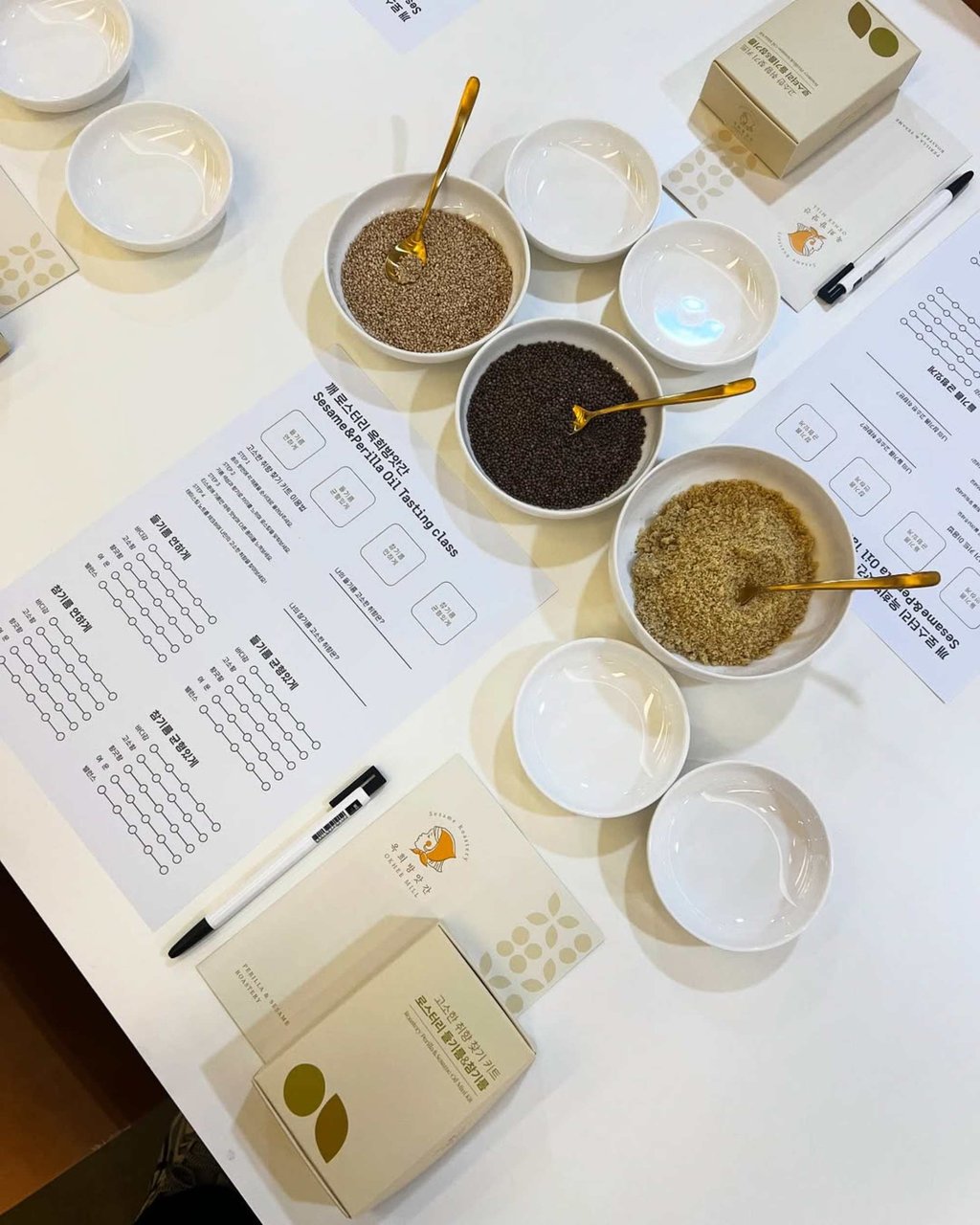
“At first, I just wanted to help my mum – the work is physically demanding,” Moon, owner of artisanal perilla roastery and cafe Okhee Mill, said in a recent interview. “Then I saw how much satisfaction my mum got from her work. Customers would bring their own perilla or sesame seeds and pay for the pressing service. And when they left, they said ‘thank you’ – that made her happy and dedicated.”
Inspired, Moon began months of study to take over her mother’s business and became fascinated by perilla seeds and oil. She named the roastery-cafe in honour of her mother, Ok-Hee, preserving a piece of family legacy in every seed. “Perilla seeds are a very unique and attractive ingredient,” she said.
History of perilla
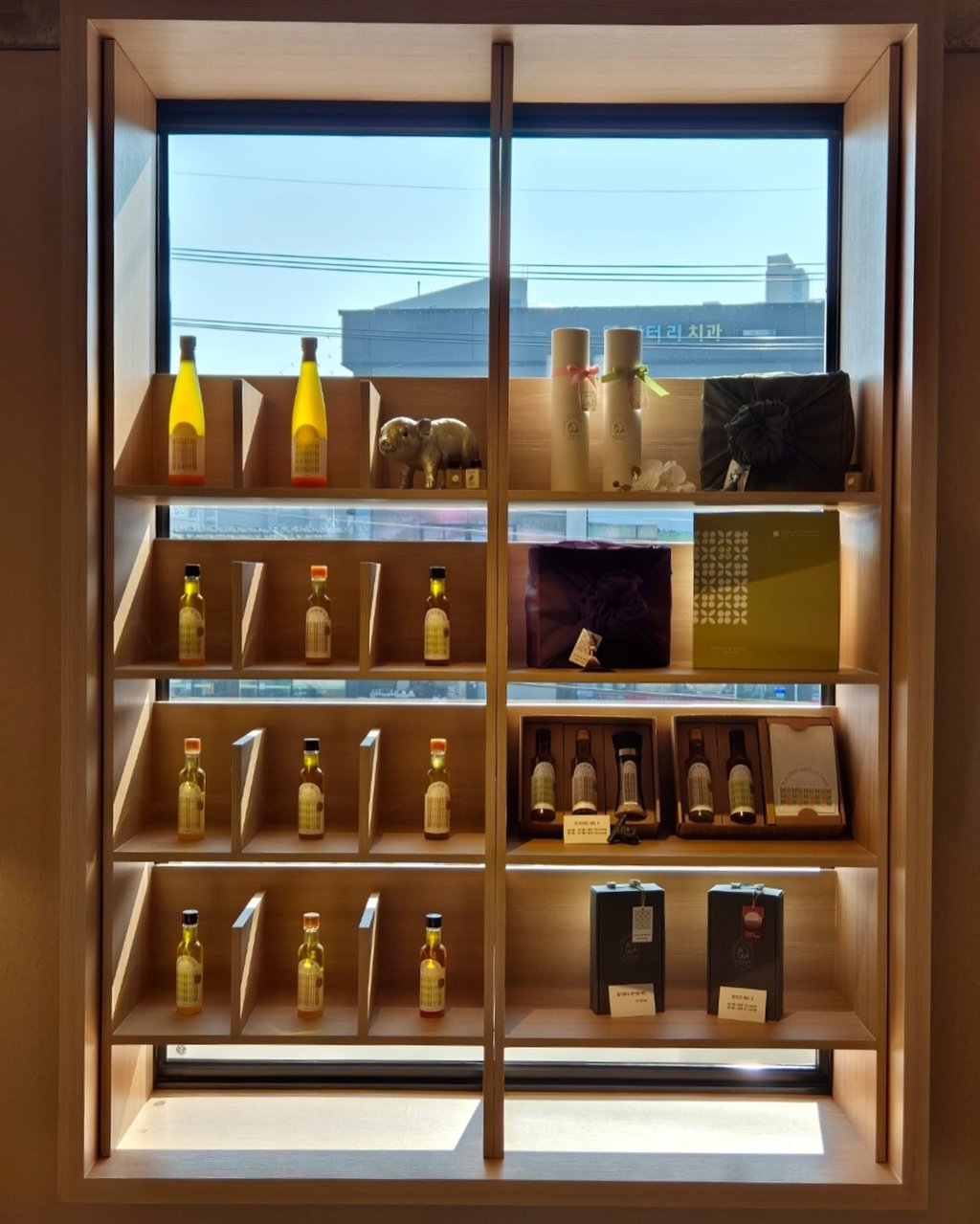
According to Lim Jong-yeon, a certified trainee of National Intangible Cultural Heritage-designated Joseon royal court cuisine, perilla oil was widely used in the royal kitchen during the Joseon era.
Perilla vs. sesame
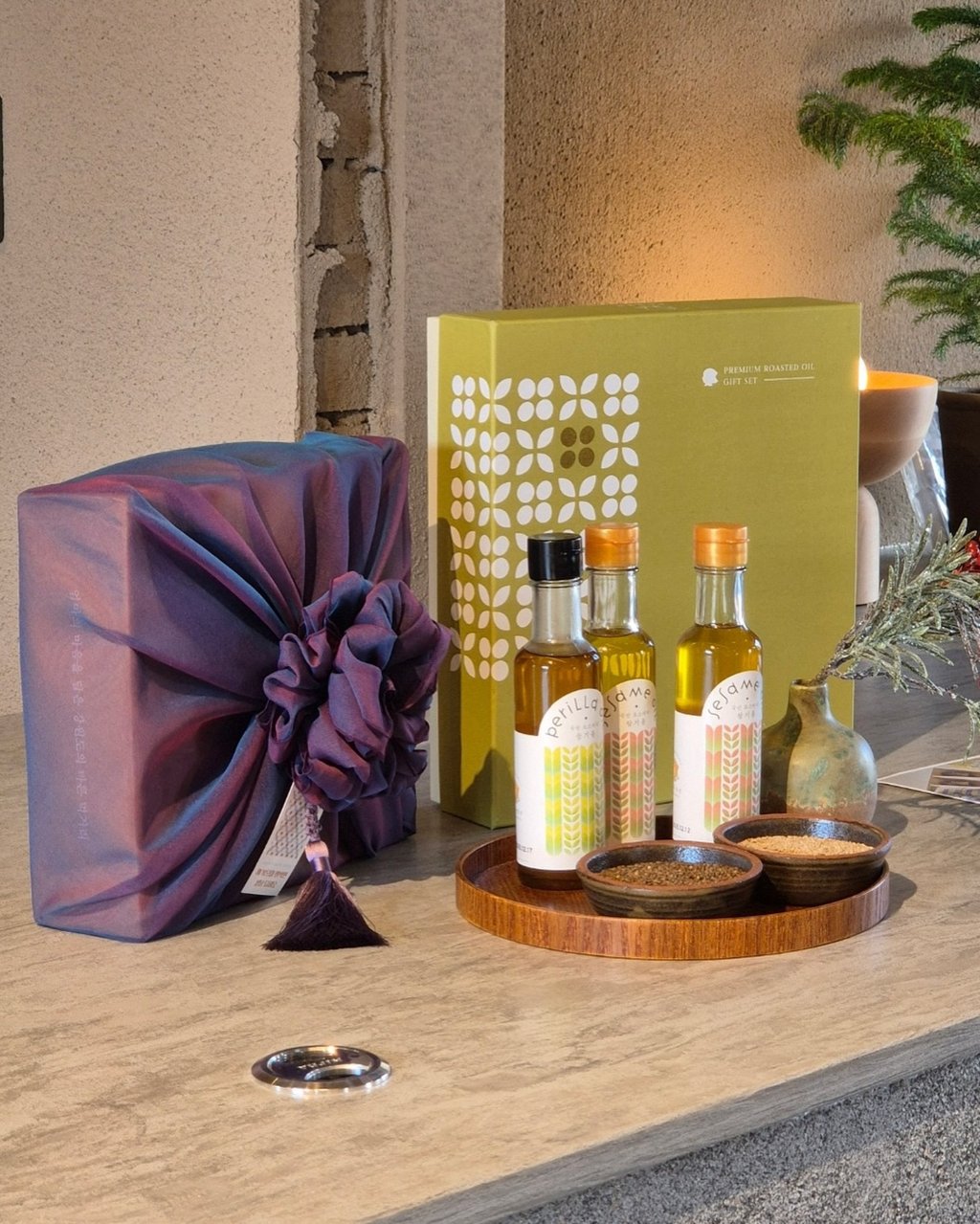
Though they may resemble each other, perilla and sesame differ in flavour and growing conditions. Sesame seeds, often roasted, are widely used in Korean cuisine as a garnish for everything from vegetable dishes to sauces and dips. Their oil, chamgireum in Korean, is a kitchen staple known for its savoury and nutty flavour, and is used in dishes like bibimbap (steamed rice mixed with vegetables and meat) and various salads.