As a teenager, Miko Calo often found herself lugging lighting equipment beside her cousins during her summer holidays, trailing behind her aunt as they canvassed the far corners of the Philippine archipelago with a television crew in tow. Titled Travel Time, Susan “Tita” Calo-Medina’s travel show was a pioneer when it began airing in the late 1980s, showcasing the richness of Filipino culture and cuisine during an era when it was much more fashionable to look to the West for holiday inspiration.
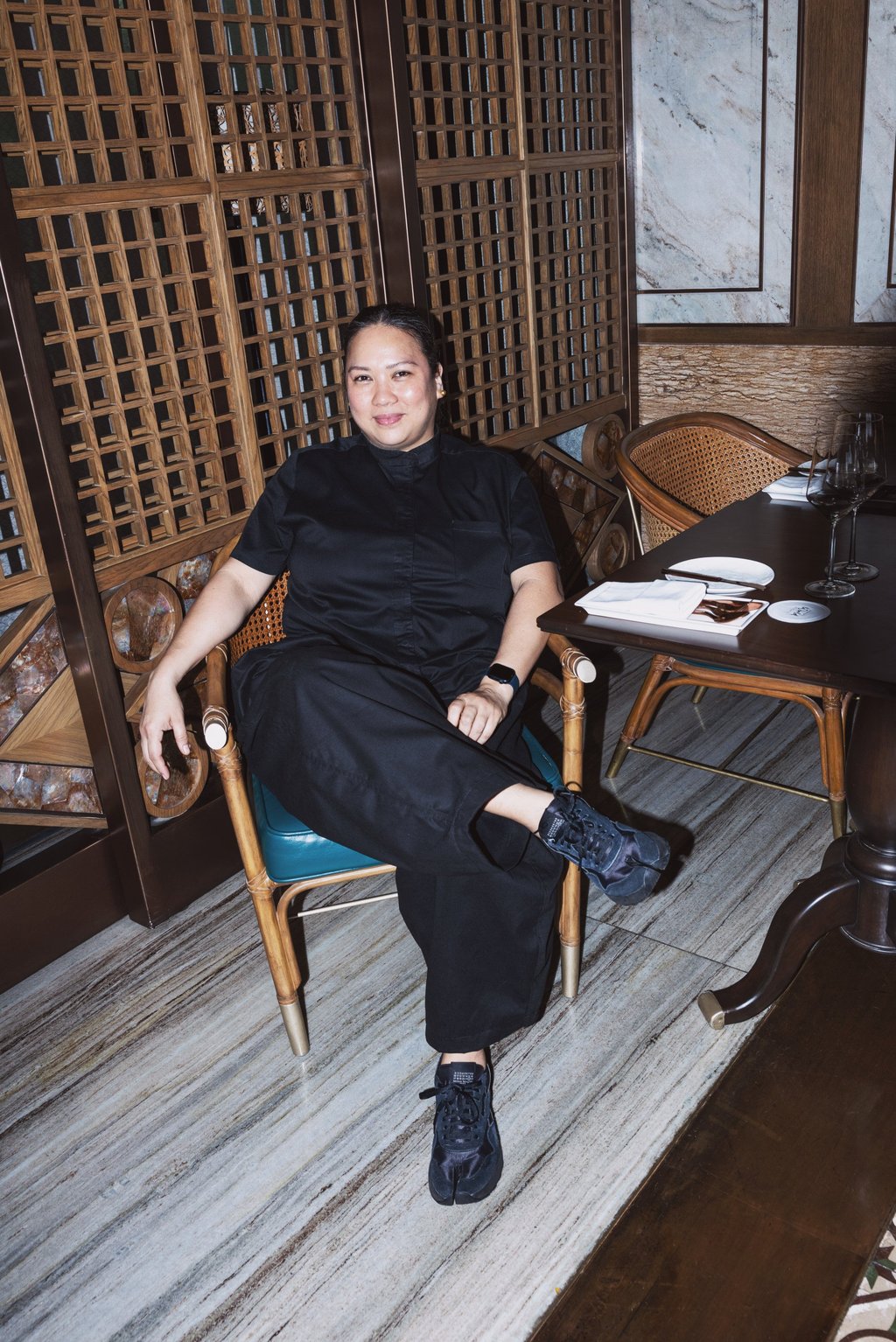
Mindanao native Miko Calo trained and cooked at several outposts of L’Atelier de Joël Robuchon in Europe and Asia before returning to the Philippines. Photo: Jocelyn Tam
“Growing up with that, I was exposed and I was [constantly] learning,” Calo recalls. Those experiences stayed with the native of southern Mindanao province as she moved to Paris for culinary school, and later as she rose through the ranks of Joël Robuchon’s exacting kitchens in London and Singapore, where she refined her cooking techniques through the lens of French haute cuisine. All the while, she harboured a desire to return to her homeland to one day apply her knowledge of the highest echelons of cooking to the unvarnished Filipino flavours she had grown up with.
Miko Calo’s cooking draws on her Filipino roots and learnings from the kitchens of Joël Robuchon. Photo: Jocelyn Tam
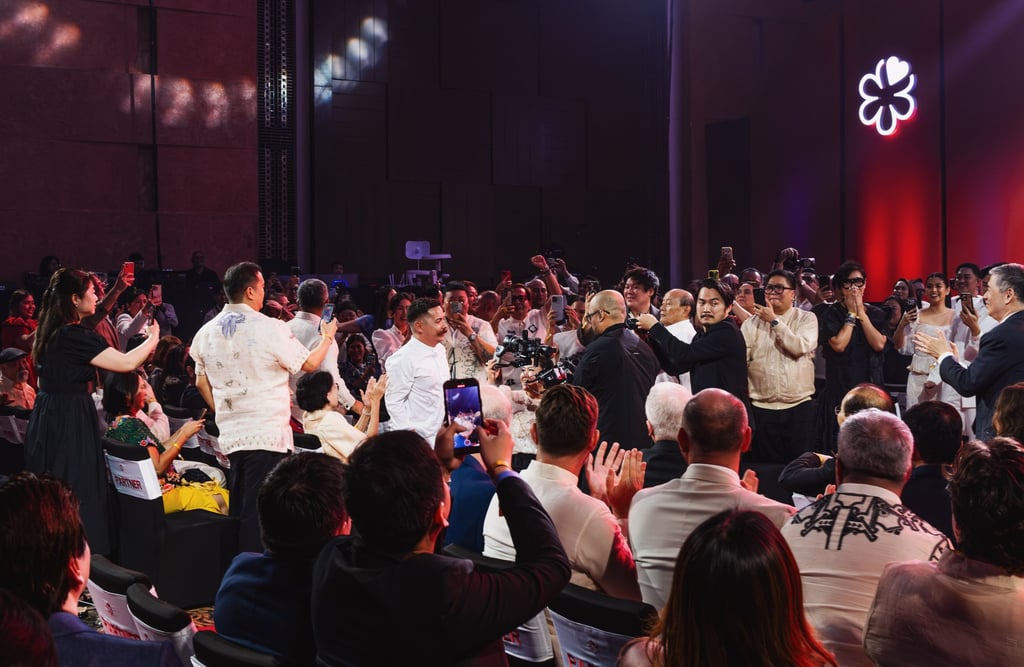
Calo’s journey came to a head in October, when her restaurant, Taquería Franco, was honoured at the spirited awards ceremony of the inaugural Michelin Guide to the Philippines, covering Manila, its surrounding environs and the island province of Cebu.
Snagging a Bib Gourmand recognition, the French-inspired taqueria joined 107 other establishments that were included in the Guide, of which only nine restaurants were awarded coveted Michelin stars. In this first cohort of winners, Calo’s story is hardly unique, with many of the country’s top chefs having spent their early careers abroad.
October saw Helm by Josh Boutwood announced as the sole two-Michelin-starred restaurant in the Philippines. Photo: Jocelyn Tam
“There’s so many Filipinos embedded in kitchens overseas; they’re in restaurants, they’re helpers cooking for you and your children in your homes,” says Filipino-American businesswoman Cathy Feliciano-Chon, whose CatchOn public relations agency publishes an annual Future of Food report exploring rising food regions and nascent trends in the world of food and drink. “Ten years ago, the country was really enjoying an upswing in terms of the economy, and we were starting to see a lot of them coming back. So, the idea is that you have all of these returning talents, now hopefully feeling emboldened to cook their own food.”
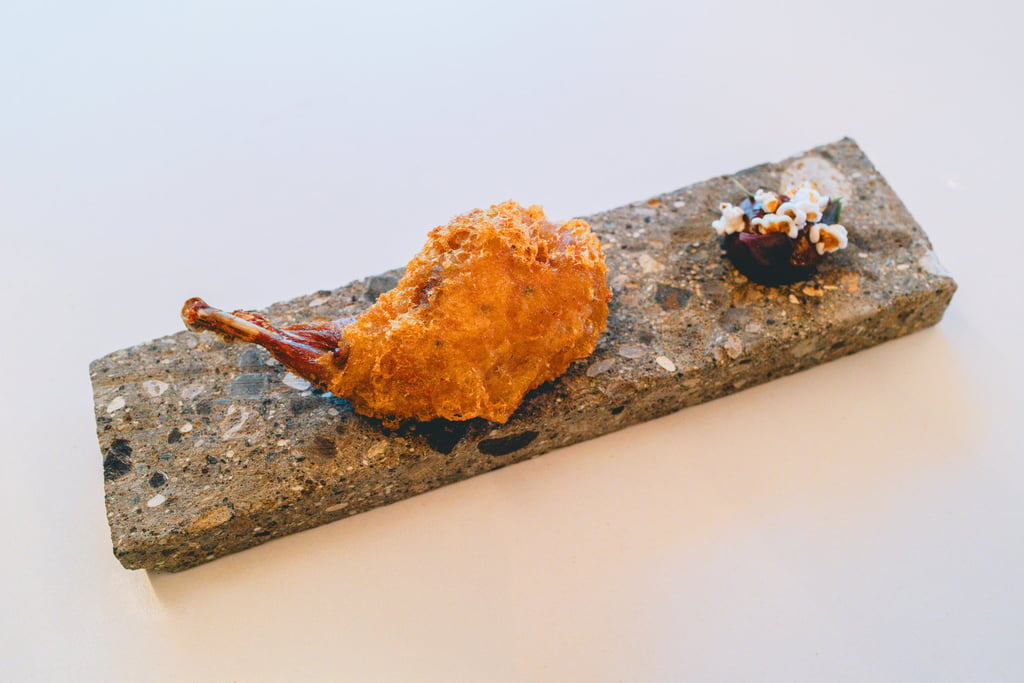
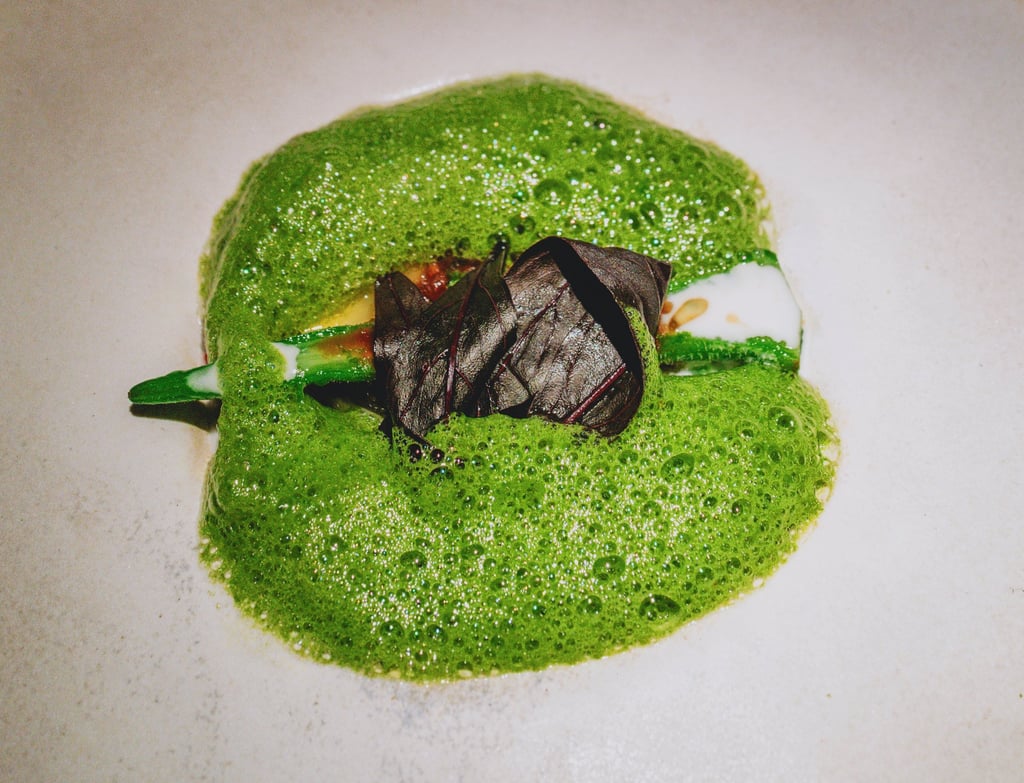
Quail with chanterelle and hazelnuts, at Helm. Photo: Jocelyn Tam
The Philippines’ much-anticipated inclusion in the Michelin Guide follows the brand’s recent and rapid expansion into new territories. In 2024, Michelin branched out to China’s Fujian and Jiangsu provinces, as well as Hsinchu and New Taipei City in Taiwan. This year also marked the Guide’s debut in the American cities of Boston and Philadelphia. Looking ahead, New Zealand is slated to join the ever-growing list of Michelin star recipients in 2026.
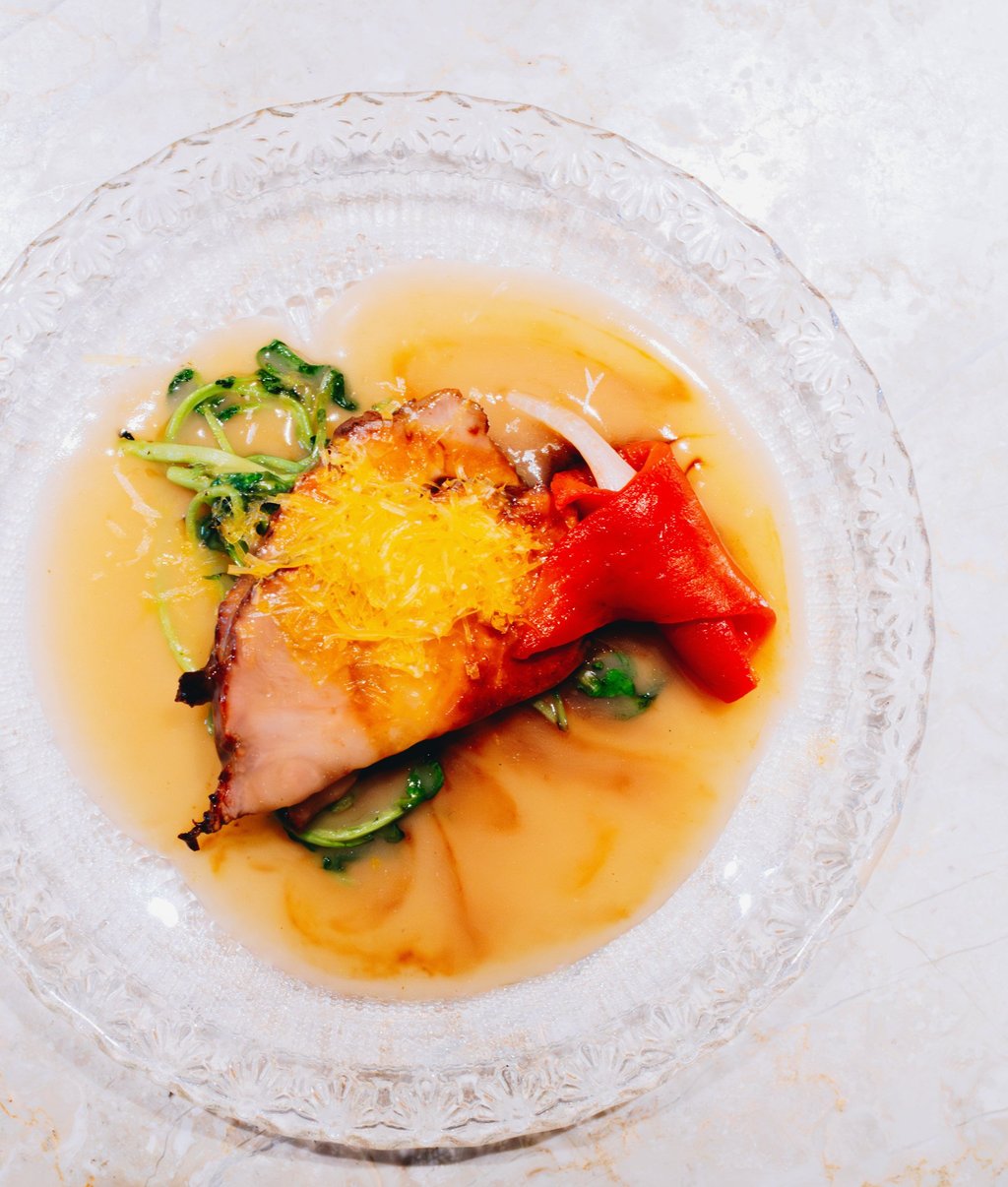
Ibérico pork collar with bell pepper atchara, watercress, pork gravy and mimolette, at Inato. Photo: Jocelyn Tam
The enthusiasm on the ground was hardly dampened though, with the Guide’s Philippine arrival being heralded as the culmination of decades of work rehabilitating the image of home-grown cuisine not just overseas – where it is often seen as “really scrappy street food”, says Chon – but also within the country, where the average middle-class citizen is more likely to open up their wallet for Italian bistecca than traditional bistek tagalog.
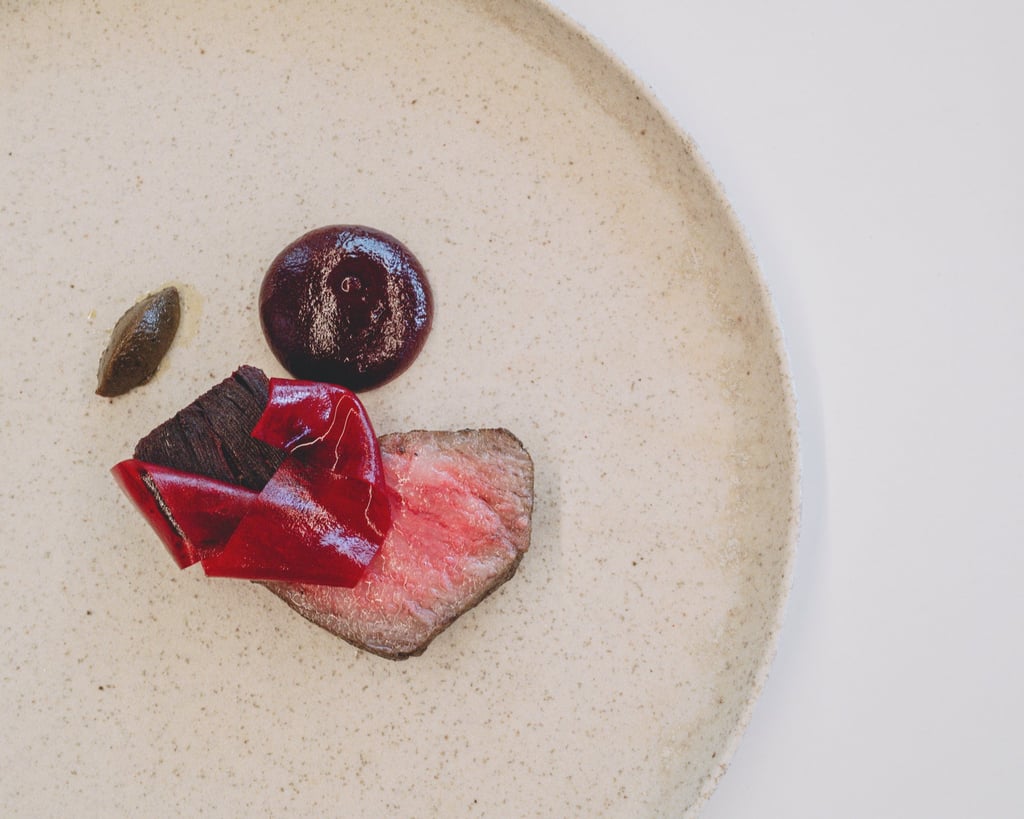
Wagyu with beetroot and fermented root crops, at Helm. Photo: Jocelyn Tam
Perhaps more than most of its neighbouring countries, food is a loaded topic in the Philippines, where centuries of colonisation under various contesting hegemonic powers have created what academics have termed the original hybrid cuisine.
The eminent food journalist Doreen Fernandez characterised pre-colonial or “ancestral” Filipino food by its Malay roots, use of indigenous meat, fish and vegetables, and simple cooking methods. But then waves of migration and colonisation irrevocably altered the Filipino foodscape. Such changes range from the popularisation of wok-frying, soy sauce and dishes such as pancit and lumpia from Chinese traders, to the introduction of New World crops like potatoes, garlic, onions and chocolate via the Manila galleon trade, and later still, the import of frozen and pressure-cooked foods valued for their portability and convenience during the American occupation in the first half of the 20th century.
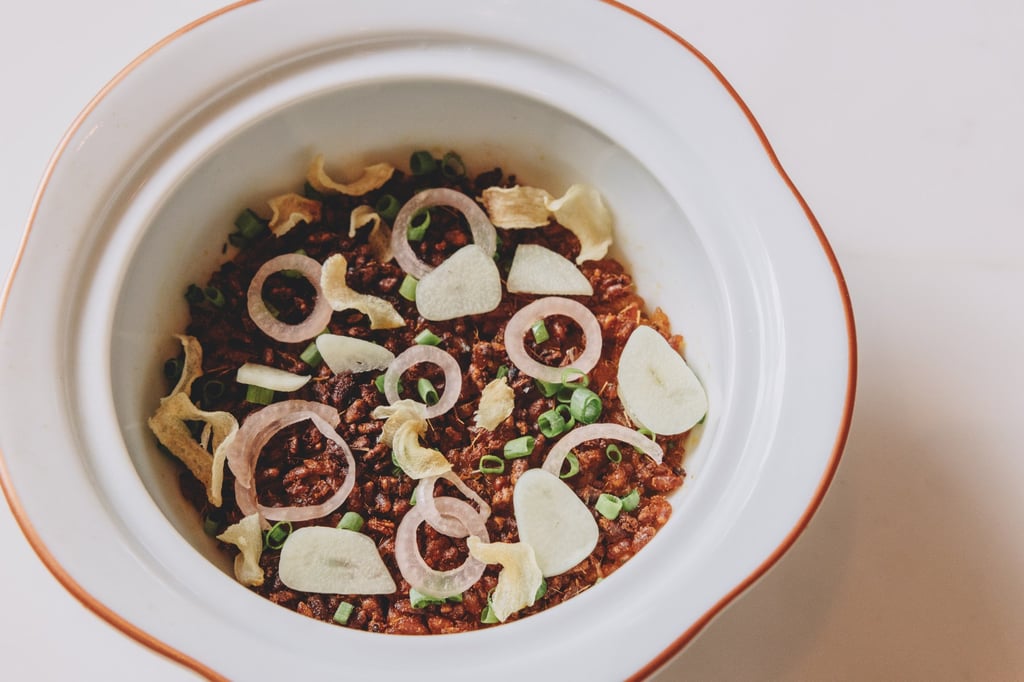
An interpretation of ensaladang gulay, a traditional Ilocano salad, at Metiz. Photo: Jocelyn Tam
Margarita Forés, the late culinary icon who was named Asia’s Best Female Chef in 2016, spoke of the “colonial mentality” of Filipinos, “always thinking that what’s imported is better. I think we only enjoyed good Filipino food at home. We had to fall in love with our own [cuisine] all over again.”
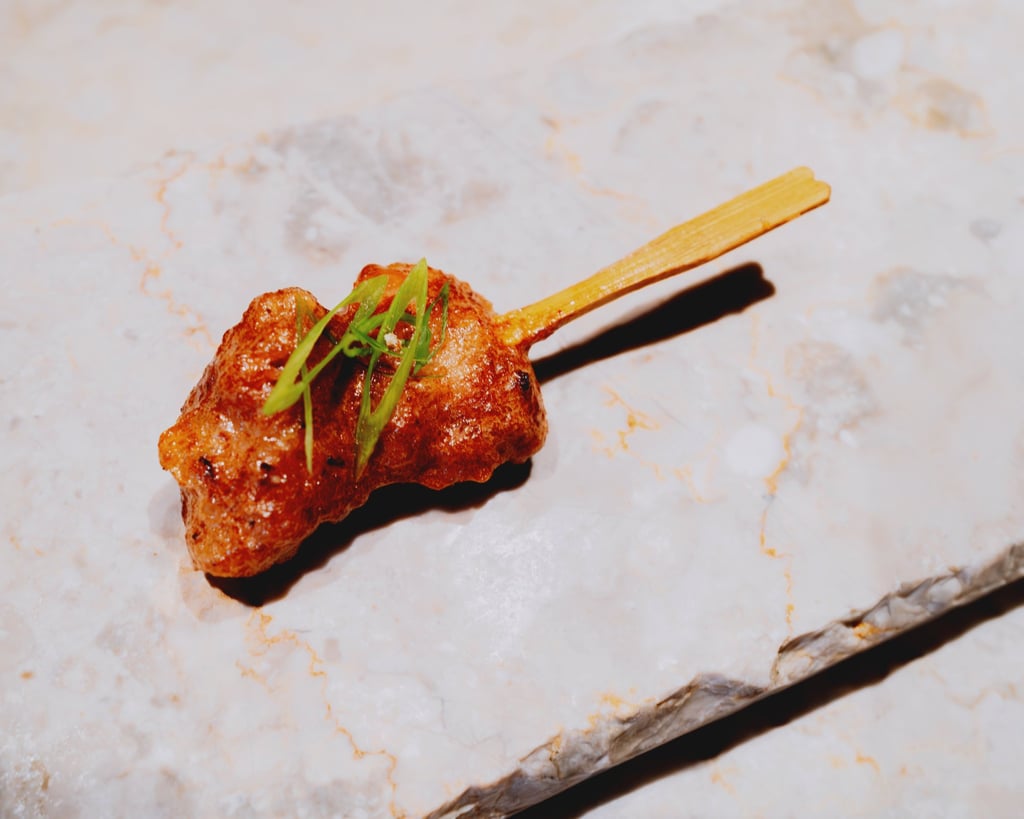
Inato’s charcoal-grilled chicken inihaw. Photo: Jocelyn Tam
Regarded as one of the most fervent champions of Filipino cuisine on the world stage, Forés’ own journey to rediscovering Filipino flavours abroad served almost as a template for the careers of the many chefs who have followed in her footsteps. Inspired by the Italian-American food she encountered during her family’s years spent living in New York, Forés trained intensively in Italy for four months in 1986. After returning to Manila, she founded the Cibo brand, which later morphed into a much-loved, affordable Italian restaurant chain.