Only a year ago, Macau would have seemed like the last place to find a thriving craft cocktail scene. Its sprawling, bedazzling gambling resorts draw a predominantly mainland Chinese crowd who prefer Burgundy wines, Mao-tai or simply an ice-cold bottle of Harbin Beer with their baccarat. Locals, on the other hand, are famously nightlife-shy, preferring to retreat home at the end of the working day while saving up for weekend trips north to Zhuhai. Add to this the world-famous watering holes of Hong Kong, which are just an hour’s ferry ride or drive away, and you’d be forgiven for overlooking the former Portuguese colony’s once meagre cocktail offerings.
What a difference 12 months can make. Last July, the ceremony for the prestigious Asia’s 50 Best Bars awards arrived in Macau for the first time, bringing with it a week of revelry centred on mixology and involving every bar of note in the region. By the end of the week, Asia’s new bar royalty had been crowned, dozens upon dozens of guest shifts had wrapped up across the city, and thousands of drinks had been slung and promptly polished off. Though no Macanese bars made the list of awardees last year, for the city of 687,000 to host the Oscars of the bartending world was an indication of just how far its bar scene had progressed.
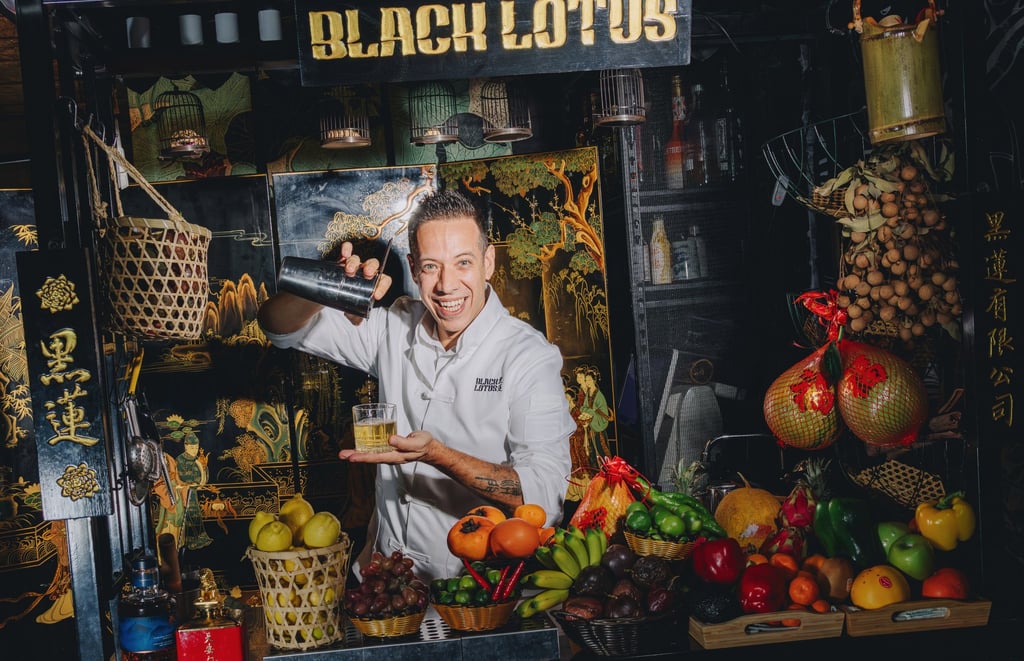
Bruno Santos of the Black Lotus. Photo: Jocelyn Tam
To understand how Macau came to reinvent itself once again, it’s worth revisiting the city’s past. Under Portuguese rule since 1557, Macau had long attracted pirates, vagabonds and smugglers to its dusty shores across the Pearl River Delta from Hong Kong. The colony’s status as neutral ground in World War II only added an air of international espionage and underground wartime resistance to this potent mix. Billionaire casino mogul Stanley Ho Hung-sun, who had fled to Macau to escape the Japanese occupation of Hong Kong, wrote in 1999, “Macao was tiny, and yet a bit like Casablanca – all the secret intelligence, the murders, the gambling – it was a very exciting place.”
Where there’s gambling, there are winners. In Macau, those who bet and won stayed long past the war years, splashing their cash at gilded palaces such as the Hotel Central, Hotel Riviera and Grande Hotel Kuoc Chai, their whistles wetted by copious amounts of vinho verde or the colonial staple of BGA – brandy ginger ale.
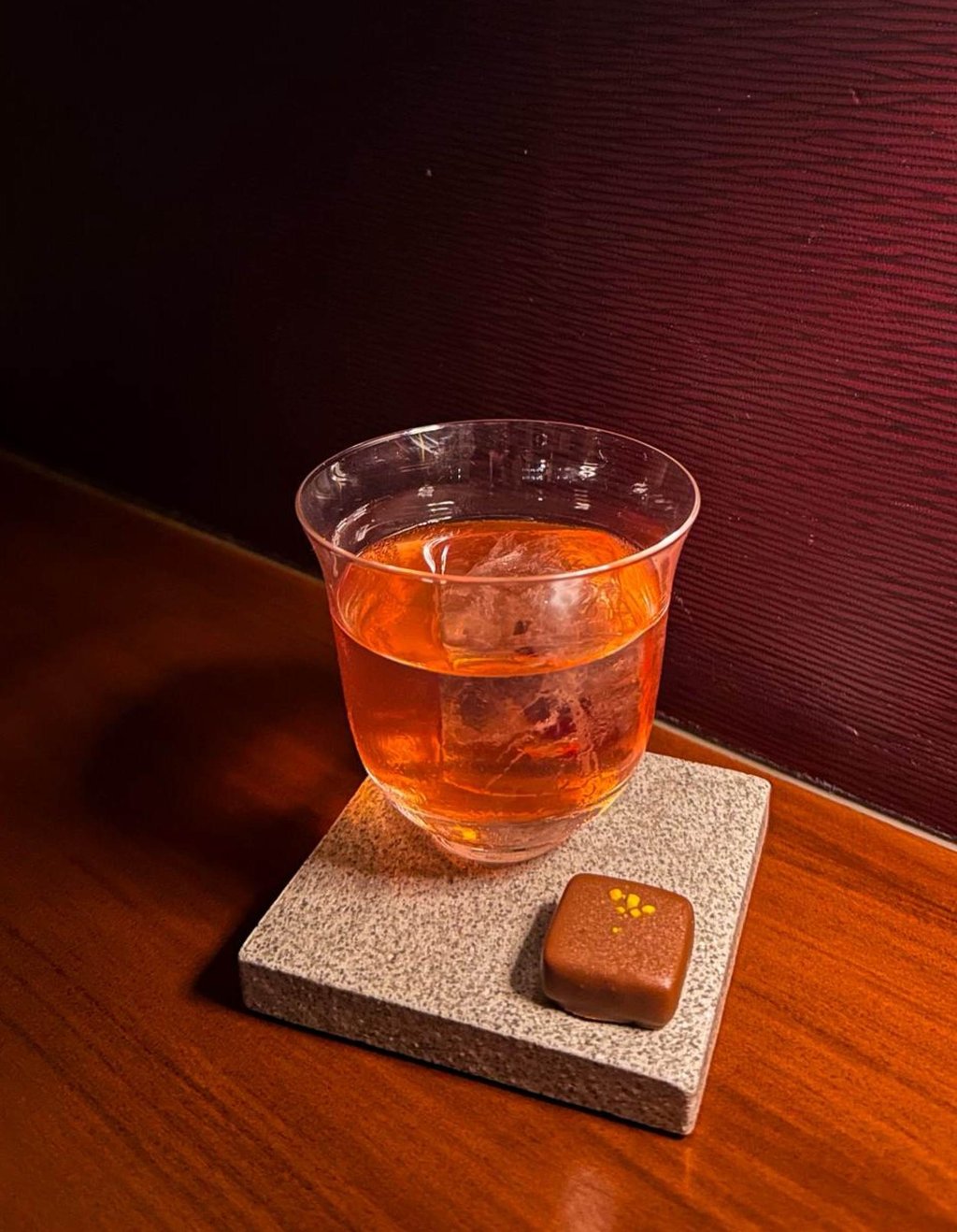
The Speyside Whisper cocktail at the Vida Rica. Photo: courtesy Vida Rica
Amid Macau’s crumbling but picturesque cityscape, the Bela Vista Hotel, built on the foundations of an old fort atop Penha Hill, was an early watering hole for cocktails, having seen the likes of British colonial chronicler Austin Coates and renowned Italian journalist Tiziano Terzani grace its terrace for sunset tipples. By the late 1980s, when the Mandarin Oriental Group was due to take over the property, it had become known locally for its excellent vodka martinis.