Discover Negros Occidental: the Philippines’ organic slow-food paradise
Kinilaw, crab feasts, biodynamic farms and mangrove-protected islands are just some of the treats in store in the ‘Land of Sweet Surprises’

Negros Occidental is also known as the “Land of Sweet Surprises” and that much is apparent as soon as we touch down in the provincial capital of Bacolod after a 90-minute flight from Manila on a balmy October afternoon. The air is treacly with tropical humidity and golden sunlight bathes the fields of sugar cane from which the Filipino island province derives its nickname, with a sun-shower-induced rainbow hovering over a cone volcano in the distance.
The region packs some serious credentials when it comes to food biodiversity: Bacolod, a city of 625,000 inhabitants, was recently designated a Centre of Sustainable Gastronomy, and Negros Occidental the Organic Capital of the Philippines by Terra Madre Asia & Pacific, the Asian offshoot of the flagship biennial event of the Italy-based Slow Food International. Having taken place in November last year, Terra Madre brought more than 2,000 delegates – ranging from chefs and farmers to educators, academics and activists – to foster a global dialogue exploring sustainable food systems centred on biodiversity, community health and indigenous cultural practices.
Though the tourism profile of Negros Occidental lags behind regions such as Boracay, Cebu and Palawan, its status as one of the Philippines’ most treasured food capitals is widely recognised domestically, if not yet internationally. Slow Food Travel, the culinary tourism arm of the organisation, is set to change that.
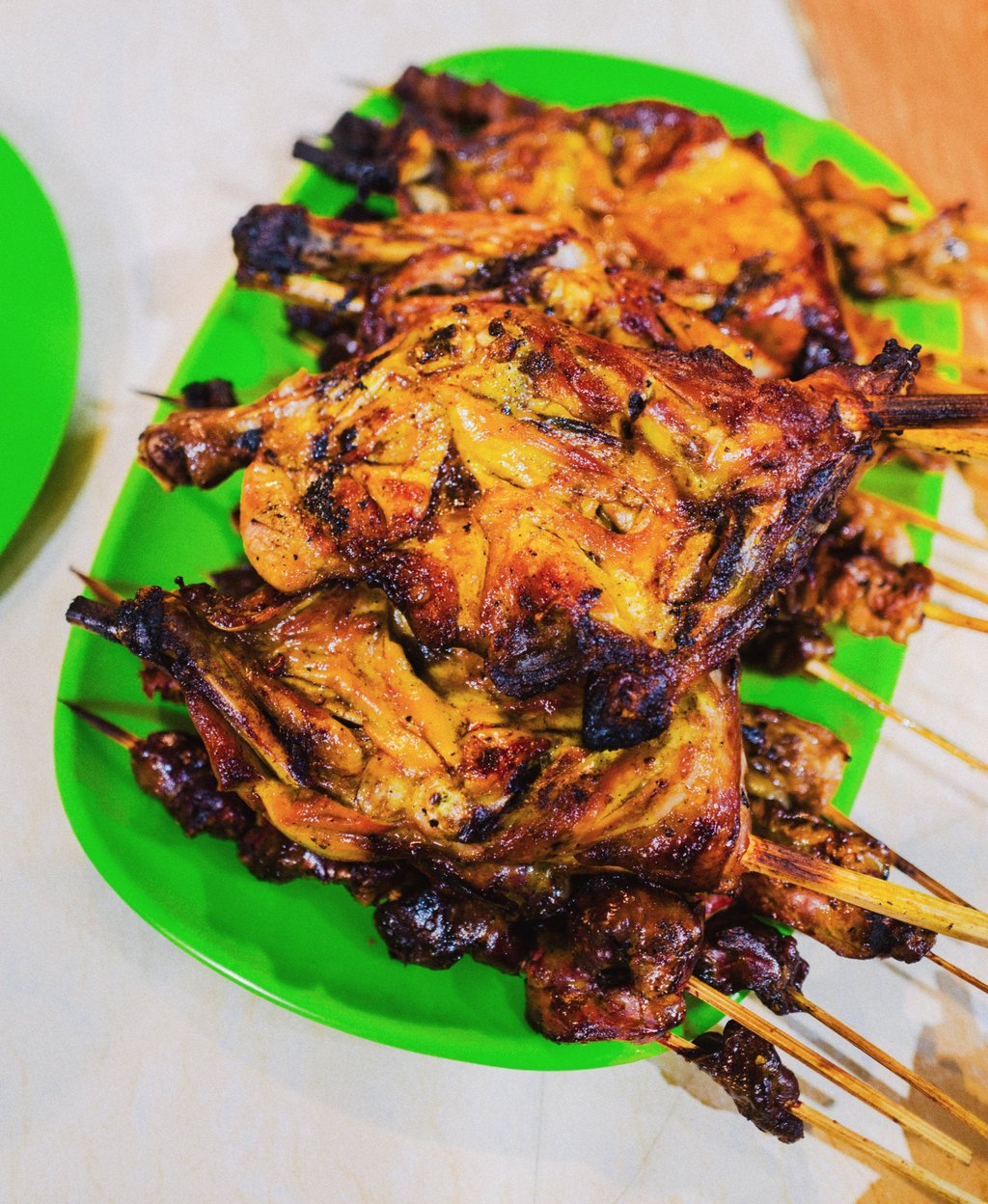
My induction into Negrense cuisine takes place that night at the unassuming Aida’s Chicken Inasal, which, despite its quotidian appearance, was recognised as a Michelin-selected restaurant for its branch in Manila. Chicken inasal seems simple enough on the surface – what’s there to grilled poultry, after all? – but in the Filipino gastronomic lexicon, it stands among the greats. Imagine flame-licked birds marinated in a blend of garlic, ginger, annatto oil and calamansi, then slow-grilled over charcoal. Charred and crispy on the outside while remaining succulent on the inside, the chicken is traditionally served with rice, chicken oil and a piquant dip of calamansi, coconut vinegar and chilli-infused soy sauce, resulting in a delicate balance of smoke, acidity and rendered fat.
The next day, under darkening skies, I begin my descent into the local food biome at Tortosa, in Manapla, a small fishing village an hour’s drive from Bacolod. When I arrive, the fishermen are busy sorting through the day’s catch of blue swimmer crabs. Beginning at 5am every morning, a flotilla of 20 pump boats heads out to sea, with each craft catching up to 20kg of the prized crustaceans during the peak season, between June and November.
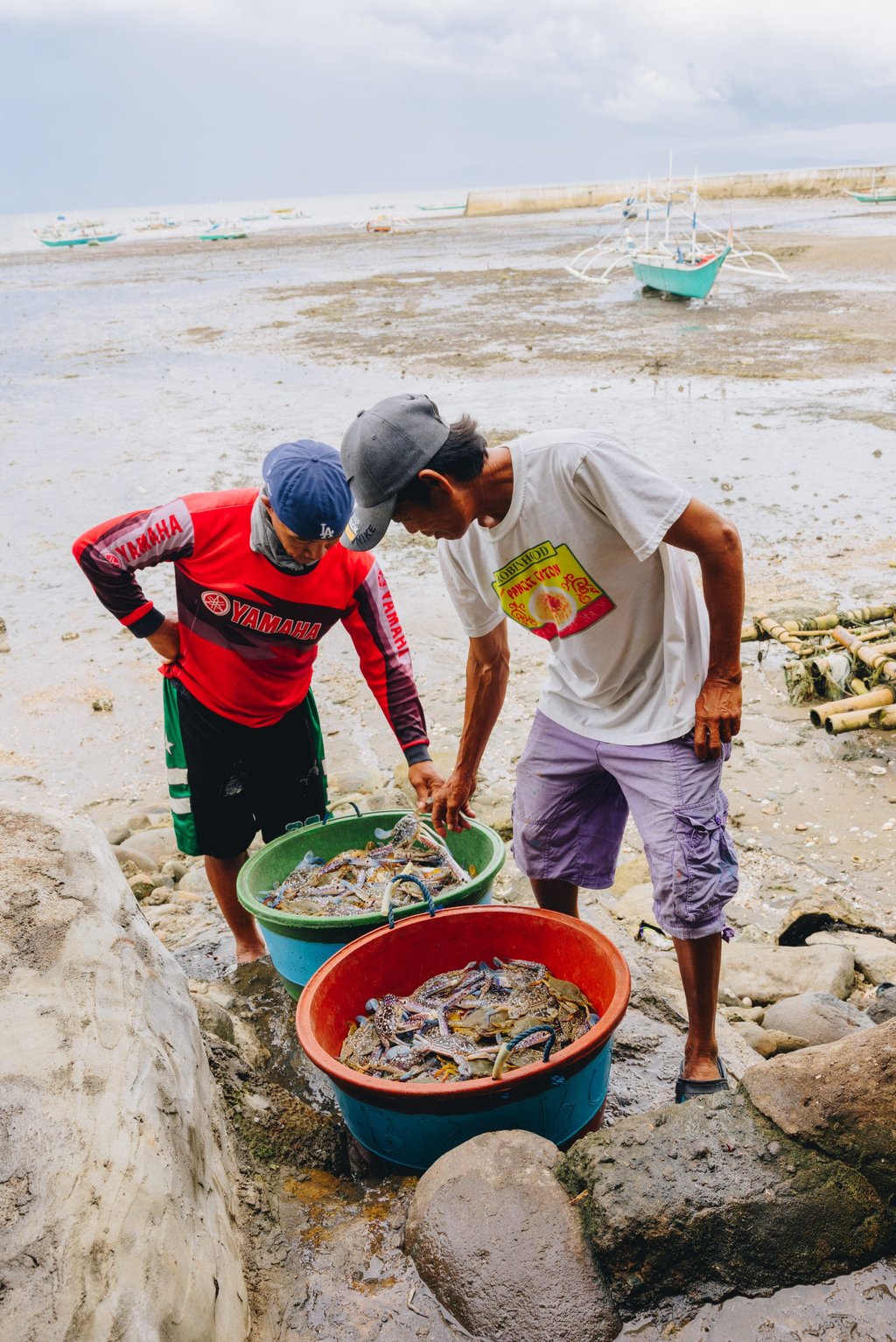
Once they reach the shore, the crabs are quickly sorted by size (those not meeting the minimum are returned to sea to maintain the population), then steamed in huge baskets to lock in their freshness. Then, a crab-picking operation staffed by the women of the village quickly and efficiently breaks down each crustacean into its constituent parts – snow-white meat from the claws, legs and carapace – which are transported to canneries to be packed and sold for export. The profits from these sales are split equally between the 57 members of the Tortosa Pumpboat Association to maintain the livelihoods of the entire village.