
Colin O’Brady’s solo crossing of Antarctic is first unsupported, Borge Ousland’s is first solo unassisted – but they aren’t the same
- A New York Times opinion piece harks back to Ousland’s 1997 crossing as the first, but it misses a distinction between unsupported and unassisted

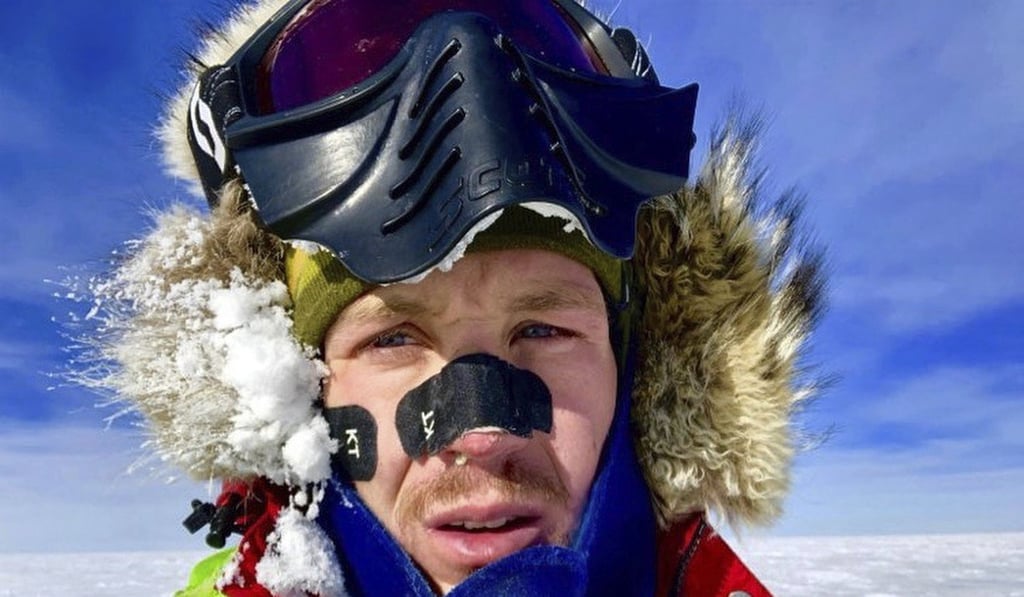
American Colin O’Brady became the first person to cross the Antarctic unsupported and solo when he reached the coast by Leverett Glacier on December 26. After a number of previous attempts by – and deaths of – other adventurers, the feat was like buses, and two came along at once when Briton Louis Rudd completed the same task two days later.
In his article, Roberts pointed to Norwegian Borge Ousland, who crossed the Antarctic solo between 1996 and 1997.
Ousland received no outside help as he made the journey from Ronne Ice Shelf to McMurdo Sound on the Ross Ice Shelf.
According to Roberts, Ousland “occasionally unfurled a ‘ski sail’ of his own devising: in his words, ‘a simple piece of square fabric’ that would catch the wind and help propel him as he skied across the snow”.