
Rowing the Northwest Passage: Climate change gives adventurers one last great first as ice retreats long enough for human-powered navigation
- The Northwest Passage, the Arctic route that links the Atlantic to the Pacific, is rapidly changing as the sea ice melts and is once again the focus for adventurers
- Post reporter hopes to join the ranks of great explorers who have forged their names in the Northwest Passage

Adventurers of the 21st century often lament they were born a century too late. All the remote regions have been mapped, both poles have been reached, the highest mountains have been scaled. There are no firsts of significance left. Not only do modern adventurers miss their chance to join the history makers, but without an obvious and long sought-after first, they struggle to attract sponsors, too.
But now climate change is altering the environment so quickly, it has presented one of the last great firsts: navigating the Northwest Passage (NWP) by human power alone.
The NWP is the Arctic route that links the Atlantic to the Pacific over North America. It starts next to Greenland, at the top of Baffin Bay, and goes through the Canadian archipelago, finishing in the Bering Strait where Alaska and Russia almost touch.
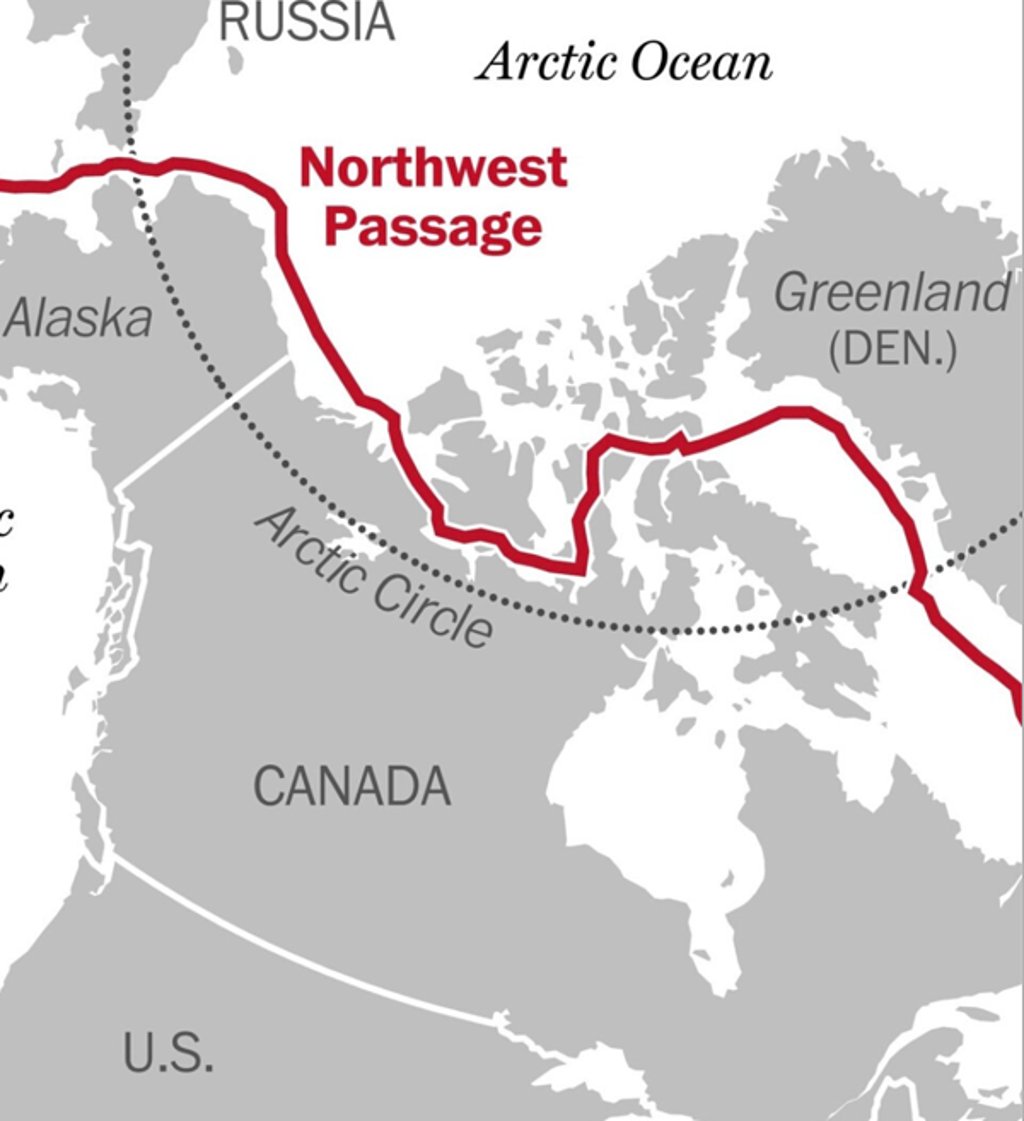
It is only possible now because the ice is retreating further each year. Usually, the frozen sea only thaws for a few weeks in July or August. But as global temperatures soar, the sea is thawed from July to September, making it possible for a team to row the entire length, unsupported, in a single summer.