
Expect cold that scares you and terrifying tension of encroaching ice in rowing the Northwest Passage, warns polar pioneer
- Paul Ridley and his team are the first to row in the Arctic, in 2012, and though surrounded by beauty the dangers put him on edge for 41 days
- SCMP reporter seeks advice as he attempts to become the first person to row the Northwest Passage in 2021

As Paul Ridley and his team cast off from Inuvik, Canada, in 2012 to be the first to row the Arctic Ocean, you would be forgiven for thinking he was experienced enough to know what was coming. As the youngest American to row solo across the Atlantic in 2009, aged 25, he had months of sea time under his belt.
“On another route, like the Atlantic, you can get more wind or more seas on any given day, but there’s no ice, there’s not a third factor,” Ridley said. “I was terrified pretty much the whole time.”
Ridley, who now lives in Hong Kong, and the team – Collin West, Neal Mueller and Scott Mortensen – spent 41 days at sea and covered 2,000km. They intended to land at Providenya in Russia, but the weather forced them to change destination to Point Hope, Alaska. It was far longer at sea than they had expected, as they faced head winds the entire time.
But being the first – only a few ships had sailed through – there was little to no weather data for them to draw on. In fact, there was not even a clear definition of what constituted rowing across the Arctic Ocean.
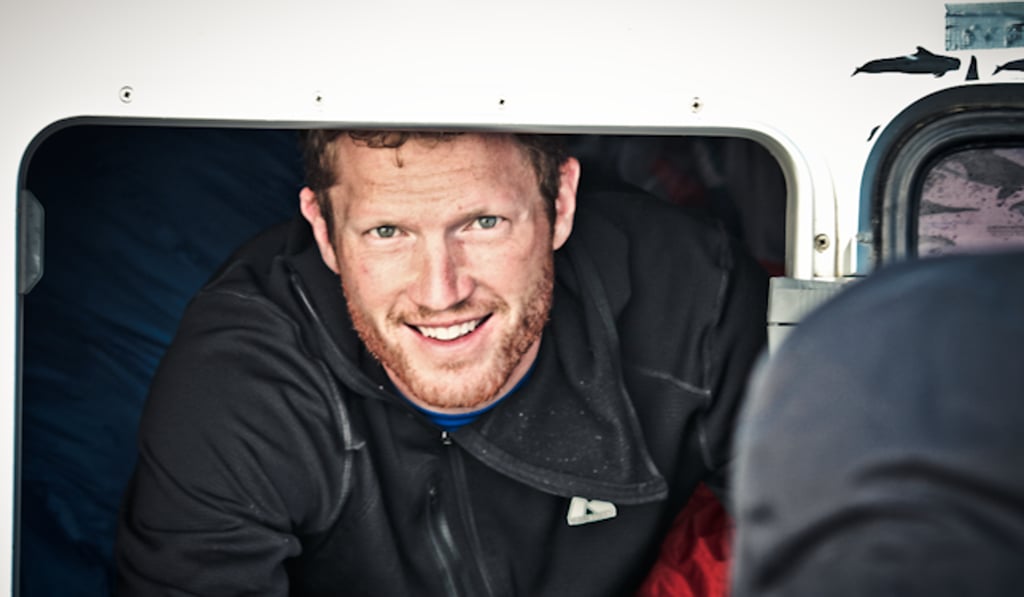
“The compelling thing about it was it was the challenge from the planning perspective and the rowing perspective,” he said. “The first thing was how we’d even know if we had rowed across the Arctic and what that even means. How do you define ‘across’ and how do you define ‘Arctic Ocean’.”