
Remembering the forgotten explorers of the Northwest Passage during Black History Month, the first people to make it from the Pacific to the Atlantic
- Two black men, including an American escaping enslavement, were among the first people to travel from the Pacific to the Atlantic via the Arctic
- The Investigator crew was rescued while searching for Franklin’s famous lost expedition

Two black men were part of the first crew to travel from the Pacific to the Atlantic via the Arctic, but have drifted into obscurity amid the more famous stories of the Northwest Passage.
For centuries, Britain searched for a water way linking the Atlantic to the Pacific over Canada and Alaska. The hunt for the Northwest Passage turned into a national obsession in the 19th century. When one of Britain’s most famous explorers, John Franklin, failed to return from his 1845 attempt to locate the Northwest Passage, countless expeditions were sent to rescue him, even long after it was clear he had perished.
Among the search and rescue expeditions were the ships the HMS Enterprise and the HMS Investigator. On their second expedition, they entered the Arctic via the Pacific in 1850, through the Bering Strait between the tip of Alaska and Russia.
Robert McClure, commanding the Investigator, was hell-bent on becoming the first person to find and make it through the Northwest Passage under the guise of rescuing Franklin. Despite the expedition leader, Richard Collinson, being on board the Enterprise, McClure wanted the glory for himself.
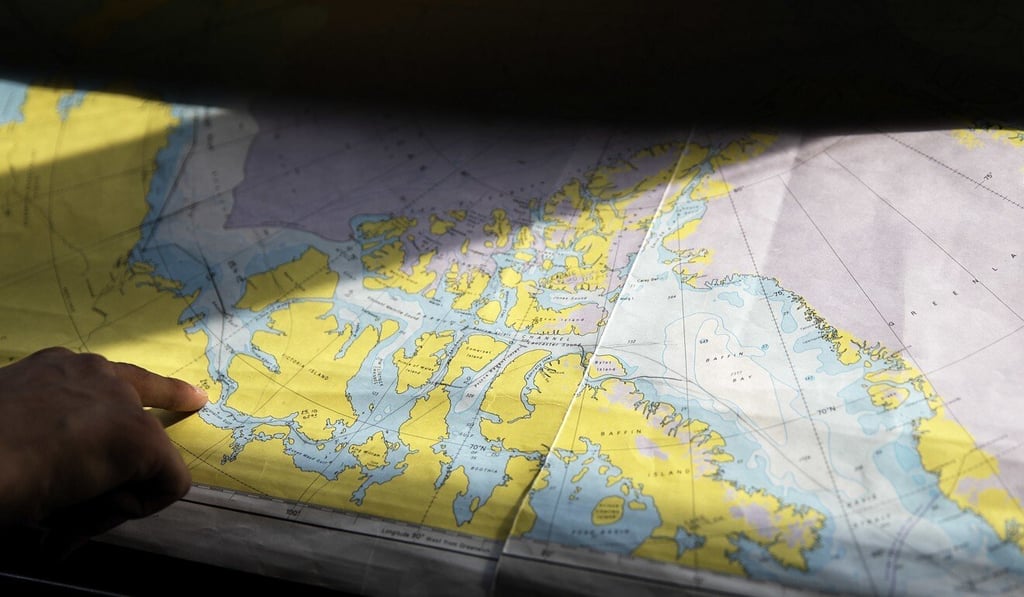
The pair became separated even before they entered the Arctic. McClure’s ambition saw him sail his crew into a torturous four years. McClure proved to be a tyrant of a captain, inflicting harsh floggings, tough rationing and imprisonments. Even when it was clear all was lost, he was blinded by his ambition and tried to press on. The expedition cost five of his 66 crew their lives.
Among the crew was Gunroom Cook Charles Anderson, a black man and possibly an American escaping enslavement. He said he was from Port Robinson, in Canada. Thousands of escaping enslaved people made it over the border to Canada. There were very few black people in Canada at the time who had not come from America. At the very least, Anderson’s assertion that he was from Port Robinson suggests his parents had escaped enslavement, according to Discovering the North-West Passage, a book by Glenn M. Stein.