Supply chain crisis: Asia rethinks ‘just-in-time’ strategy as pandemic upends logistics industry
- Pandemic-era disruptions have upended distribution networks and exposed vulnerabilities in supply chains from Hong Kong to Singapore to Australia
- Businesses are starting to stockpile more and diversify their suppliers, as regional governments look to shore up supplies of raw materials and essential goods

Minimising inventory costs was the order of the day pre-pandemic, with companies often relying on “just-in-time” supply chains to provide goods when they were needed instead of stockpiling them.
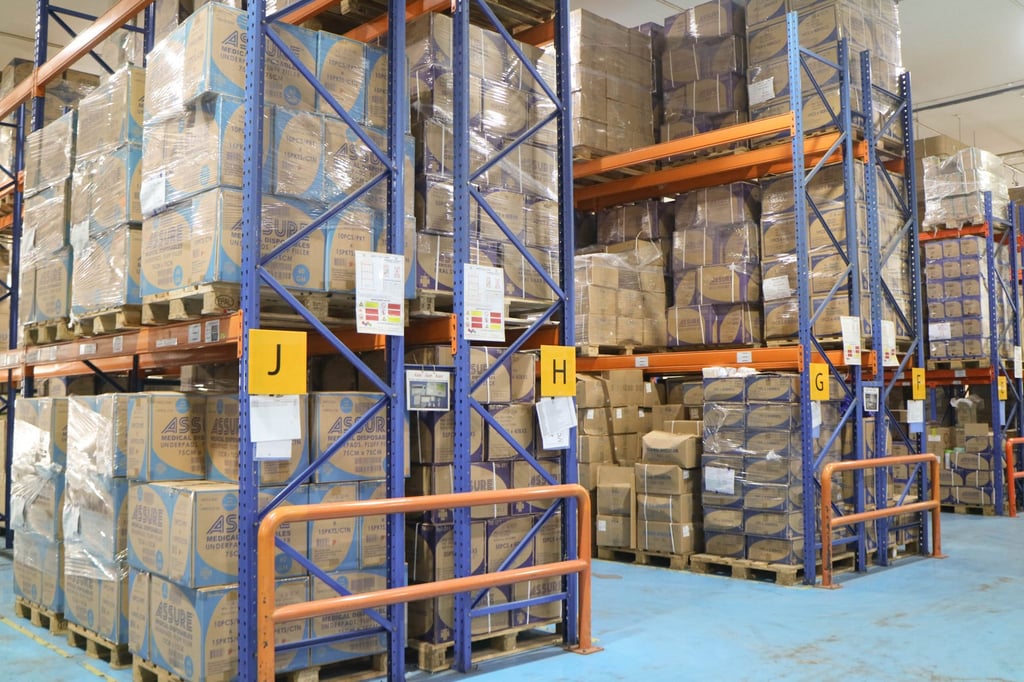
But this waste-minimisation model became riskier as the new normal of lockdowns and other virus curbs took hold, causing long delays in supply networks.
Victor Yeap, managing director of Yeap Medical Supplies, said his company used to keep “a fair level of inventory as a buffer in Singapore” even before the health crisis, but has since built up its stockpiles by 20 per cent “as the lead times are longer these days … [and] we cannot fail our customers”.
Shipping delays for the disposable masks, adult diapers, hospital beds, wheelchairs and other goods the company sources from China, Southeast Asia and Europe caused uncertainty, Yeap said, and led to “an out of stock period … only to be followed by a wave of goods arriving all at once.”
Attempting to avoid such disruptions by amassing supplies is not without its downsides, however. “Stocking up affects our bottom line as we incur more costs keeping a larger inventory, and have to acquire equipment and machinery that allows us to manage the inventory better,” Yeap said.