Can India fill the China-shaped hole in Australia’s economy?
- Canberra sought new free trade deals after its largest trading partner China placed restrictions on some Australian exports in 2020 amid spiralling tensions
- Canberra-New Delhi deal will eliminate tariffs on almost 91 per cent of Australian exports destined for the Indian market of 1.38 billion people in 10 years
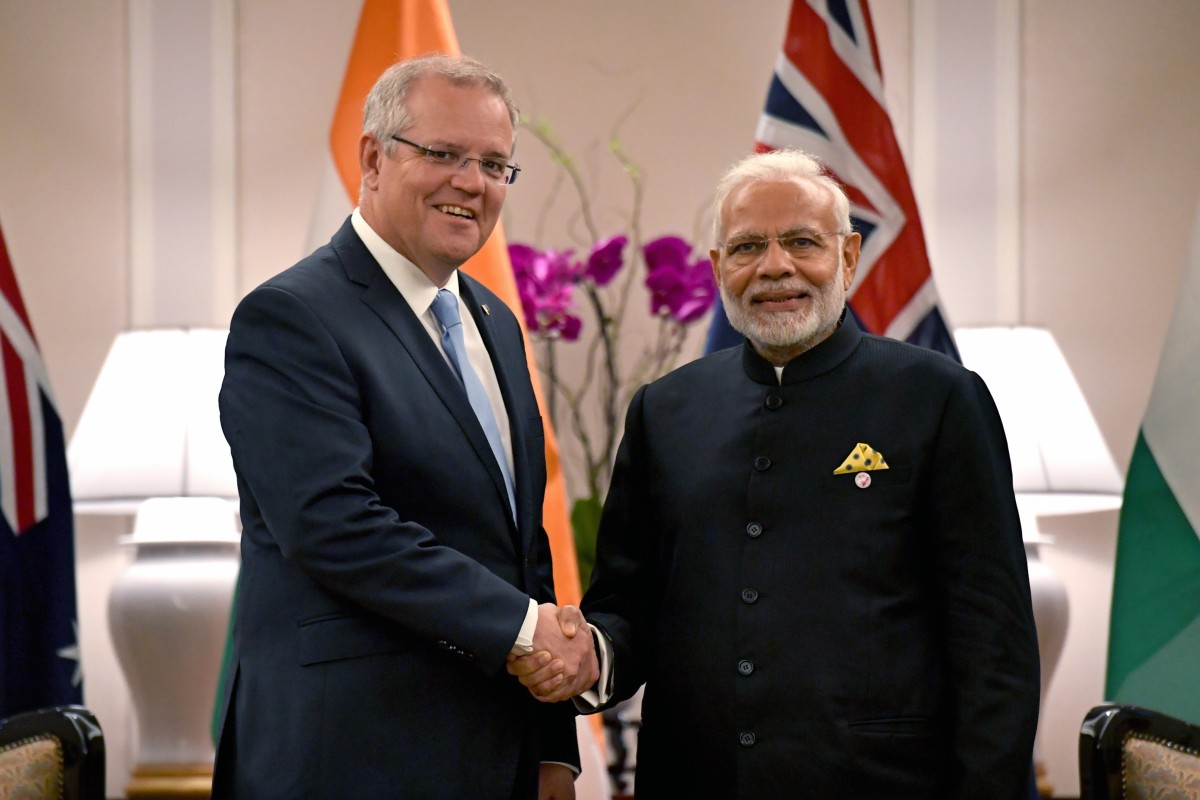
The Australia-India Economic Cooperation Trade Agreement (AI ECTA) was struck last month, ahead of Australia’s federal elections, and after more than 10 years of talks. The prolonged negotiations faced numerous setbacks, including in 2015 when agreements on certain market accesses could not be reached.
Hailed as a means of increasing Australian exports through the reduction of tariffs, Canberra said it marked the opening of “one of the biggest economic doors there is to open in the world today”.
“The Indian economy is worth billions and billions and billions all around the world,” Australian Prime Minister Scott Morrison said last month, adding that the agreement would benefit a wide range of exports, including wool, crayfish and mining resources.
Morrison also told voters how his government’s establishment of new trade pacts was key to keeping the Australian economy buoyant, although the Indian deal kicked off when the opposition Labor party was in power.
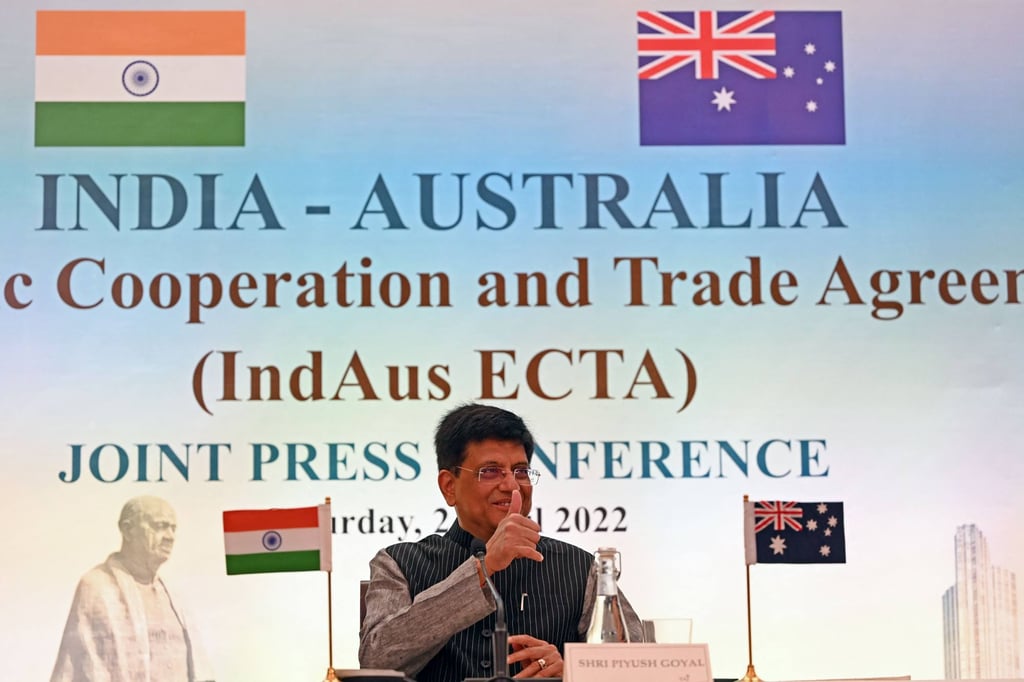
Canberra has stepped up new free-trade negotiations after its largest trading partner China informally placed trade restrictions on some Australian exports such as coal, barley and wine in late 2020, amid spiralling tensions.