From Singapore to Australia, hybrid work sparks a ‘fundamental shift’ in office demand
- The work-from-home phenomenon comes amid a global economic slowdown and employees prioritising their well-being ahead of work
- Office demand varies, with Singapore posting low vacancy rates while some Australian landlords have been forced to downsize and subdivide

Full-time physical attendance for a job is now a deal-breaker for Sonya, who used to travel one-and-a-half hours each way to and from her office in Sydney’s central business district.
“It’s not just the cost of commuting, I know I am going to have lunch, two to three cups of coffee … With work from home, I am feeling happier in my private life,” she said, adding that her routine allowed her to pick up her daughter from school every day and spend time with her before she goes to bed. “In the past, everything had been about work.”
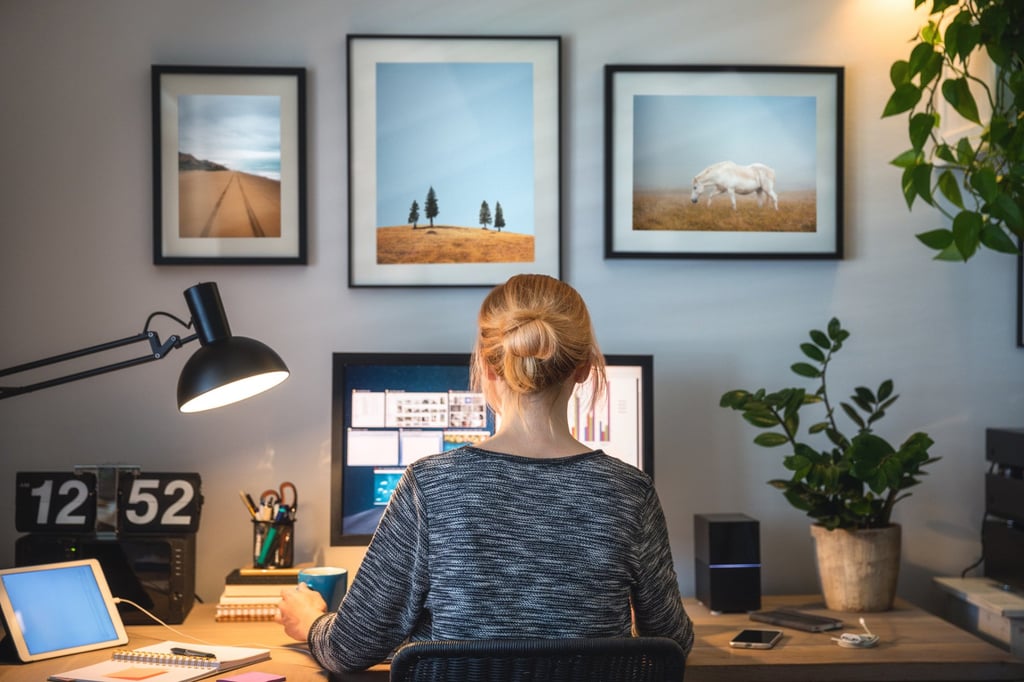
The post-pandemic WFH phenomenon has taken root across the Asia-Pacific, not just in Australia, but the strength of this new working culture varies from country to country.
Widespread acceptance of WFH represents a paradigm shift in the way offices are used, at a time when economies across the region and the world are slowing amid higher interest rates and a wind-down of pandemic-era spending blitzes.