Advertisement
Indonesia’s e-commerce import ban: risky protectionist move or political ploy that’s ‘not going to work’?
- The proposed ban on imported goods valued at less than US$100 each would be difficult to implement and run afoul of WTO rules, observers say
- But it may have more to do with drumming up nationalist sentiment, and playing on deep-rooted fears of exploitation, ahead of next year’s polls
7-MIN READ7-MIN
2

Su-Lin Tanin Singapore
Torajamelo avoids exporting its hand-woven women’s wear, home decor and gifts to China, lest the self-styled “slow-ethical” fashion brand’s designs are copied.
As a small Indonesian company, it already has to battle comparatively higher costs, CEO Aparna Saxena told This Week in Asia – making it ill-equipped to compete with low-cost Chinese manufacturers who are notorious for reproducing designer gear.
Cheap knock-offs and disposable fast-fashion have flooded the market in Indonesia in recent years, thanks in large part to the meteoric rise of e-commerce sites like Singapore-based Shopee and Lazada, and Jakarta’s own Tokopedia.
Advertisement
It’s become such a problem that even Indonesian resellers – who profit from the selling of cheap goods bought overseas – are now concerned about being undercut themselves, according to Dr Astrid Meilasari-Sugiana of Jakarta’s Bakrie University, who studies micro, small and medium-sized enterprises (MSMEs).
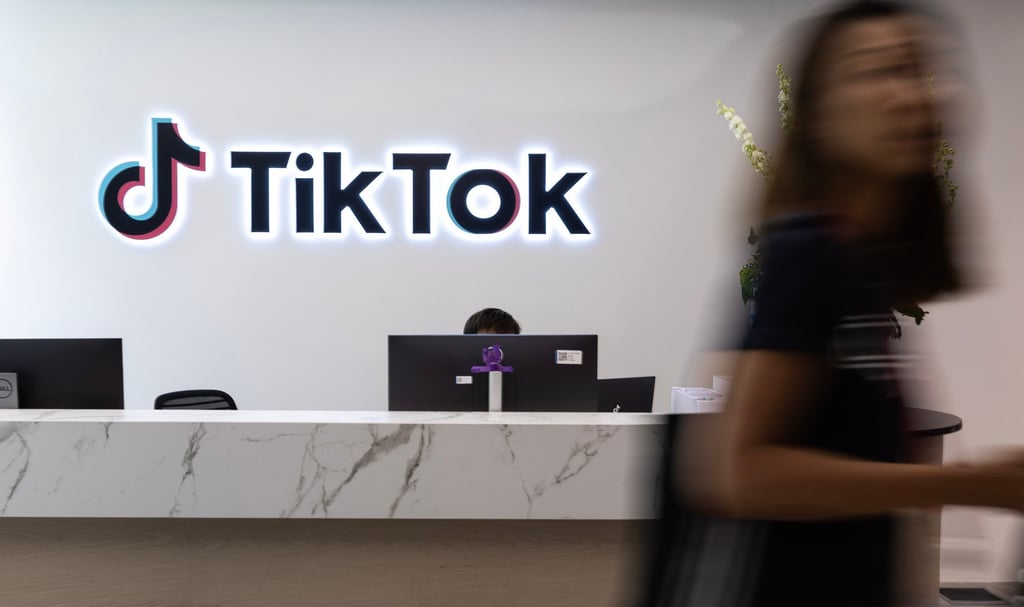
TikTok, which is spending billions to carve out its own slice of Southeast Asia’s e-commerce pie, has felt forced in recent months to assure a concerned Indonesian government that it would not roll out its “Project S” initiative in the country.
Advertisement
The Chinese short-video app has already found success with its pivot to e-commerce in Southeast Asia by allowing users to sell goods via the platform, but now wants to sell its own-brand products through Project S, in a move similar to JD.com’s “Made by JD” line or Amazon Basics.
Advertisement
Select Voice
Select Speed
1.00x