One man’s fate rides on Donald Trump-Kim Jong-un summit – and it’s not Trump or Kim
Hopes for peace have helped South Korean President Moon Jae-in paper over his domestic troubles, but once the dust settles from the historic meeting, his problems may come home to roost

But a close look at Moon’s domestic political landscape shows that all is not smiles and handshakes. Moon has staked his presidency on improving ties with the North. The strategy has paid off so far, winning him approval ratings higher than 70 per cent, and all the North Korea talk is distracting from domestic issues where he is proving less successful, such as a sluggish economy and a smouldering scandal involving a politician from Moon’s party.
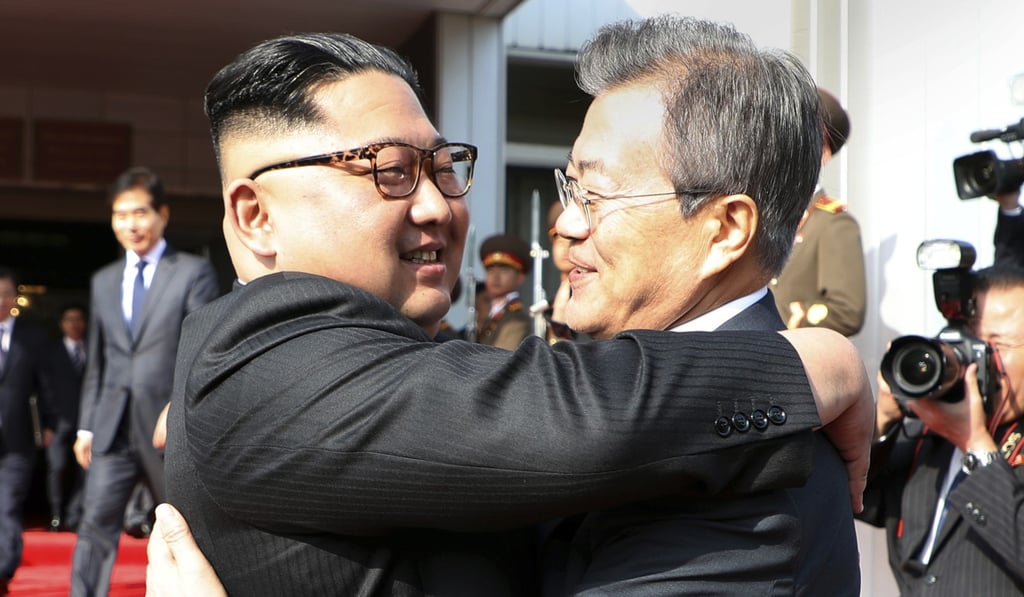
Local elections are due on June 13. If the summit is a bust and Moon’s party takes a hit at the polls, the honeymoon of his first year in office could come to an abrupt halt.
13 more problems for Trump-Kim summit: North Korean defectors
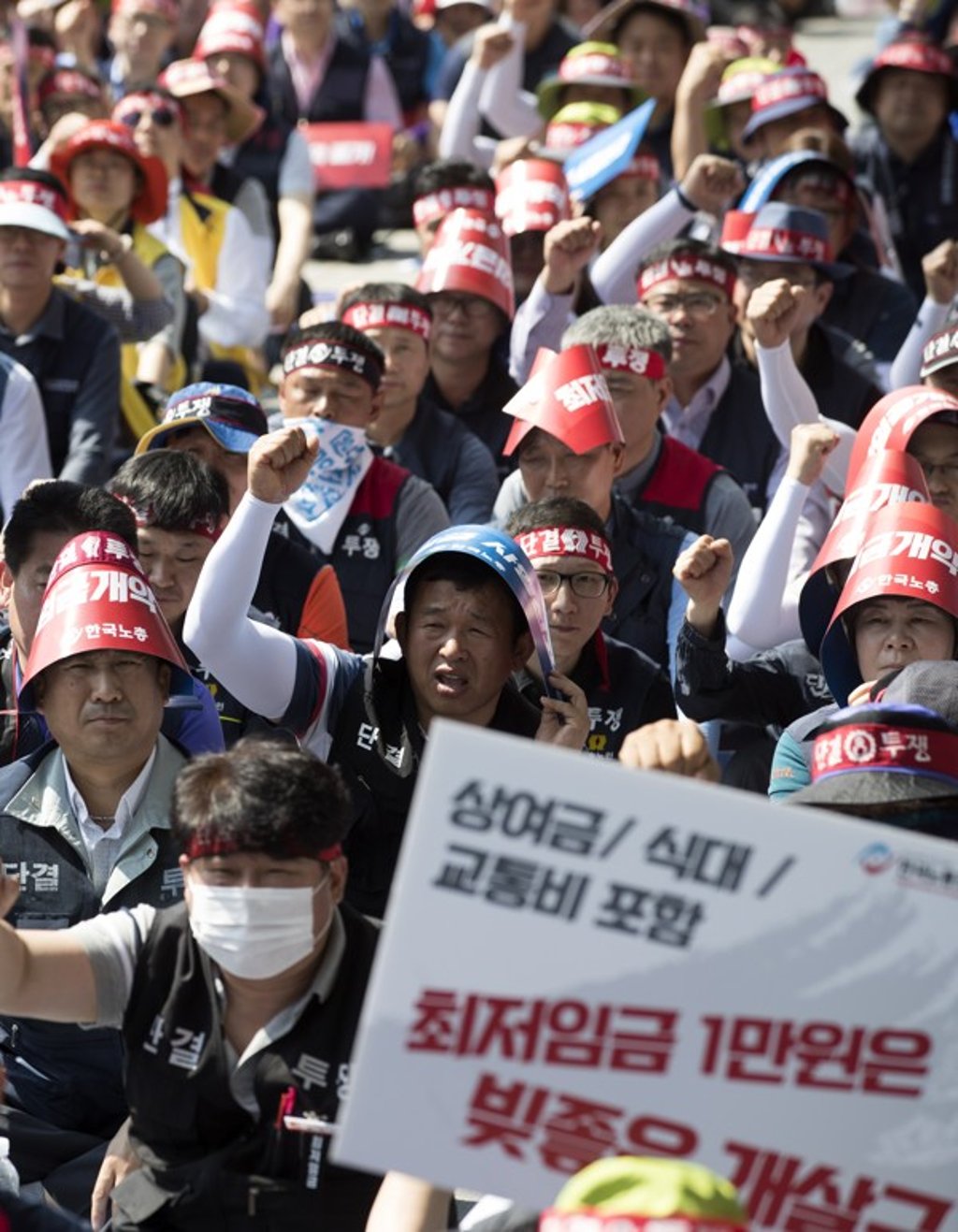
When running for president last year, Moon pledged to improve ties with North Korea, but a bigger part of his platform was to rein in inequality and create more stable jobs. A centrepiece of these plans was an increase in the minimum wage; a more than 16 per cent raise went into effect at the start of the year, and so far, reviews are mixed. A think tank report this week concluded the increase led to the loss of 84,000 jobs – rather than absorbing higher labour costs, employers are cutting staff.