Why is North Korea clamping down on ethnic Chinese over Lunar New Year?
- The hwagyo ethnic Chinese minority have long used the holiday period to return to China to buy goods they resell for a profit in the hermit kingdom
- So why is Pyongyang closing the loophole?

Over the annual holiday period, many members of the small minority travel back to China to visit family and to purchase goods that they can resell in North Korea for a profit. Ethnic Chinese in North Korea, called hwagyo in Korean, have for decades led tenuous lives as an ethnic minority in a decidedly homogeneous country. As such, hwagyo, who are estimated to number anywhere between 4,000 and 10,000, have been banned from North Korea’s ruling Workers’ Party and have limited educational and work opportunities.
But many hwagyo’s relative ease of travel to China – the source of nearly all of North Korea’s external trade – gave them certain advantages, such as being exempt from having to take part in the mandatory political events North Koreans must attend over the holidays, as well as access to goods that are difficult or impossible to get in the North.
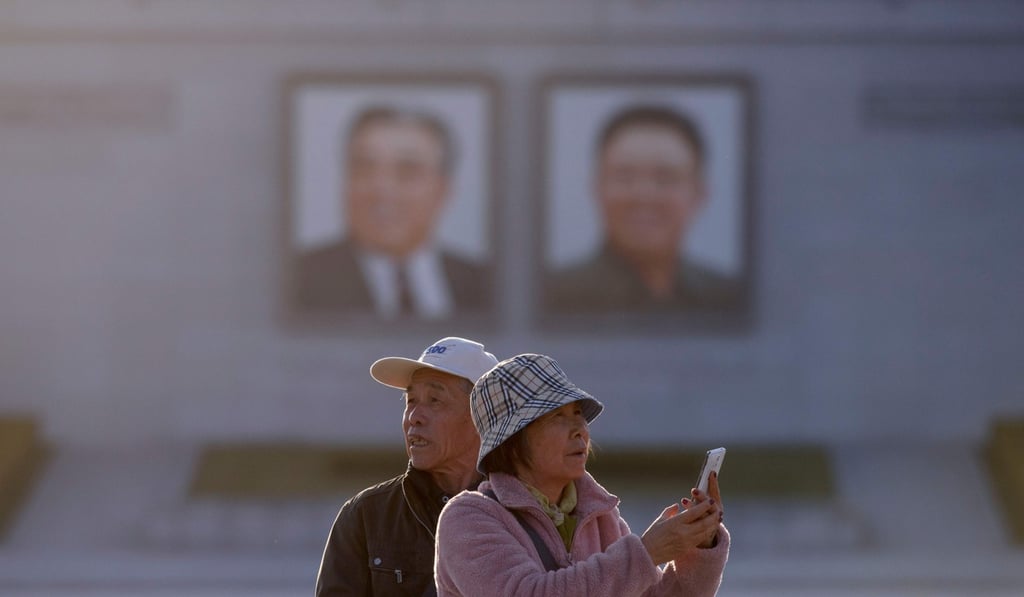
That appears to be changing. Radio Free Asia reported recently that North Korean authorities were forcing hwagyo to pay large sums to acquire the documents needed to travel to China, and fining hwagyo who fail to participate in political events, most of which involve paying tribute to North Korea’s ruling dynasty.
An unidentified source in North Korea’s Hamhung Province told RFA, “Hwagyo are now expected to participate in every political event that is mandatory for North Koreans,” adding that authorities now require hwagyo to contribute to the costs of holding those events, such as the purchase of decorative flower wreaths.