
Sino File | Stumbling bloc: Influence of the BRICS isn’t building, it’s crumbling
Summit in China reaffirmed the grouping’s global ambitions but a combination of dimming economic fortunes and a lack of shared ideology compromise its vision of challenging Western dominance

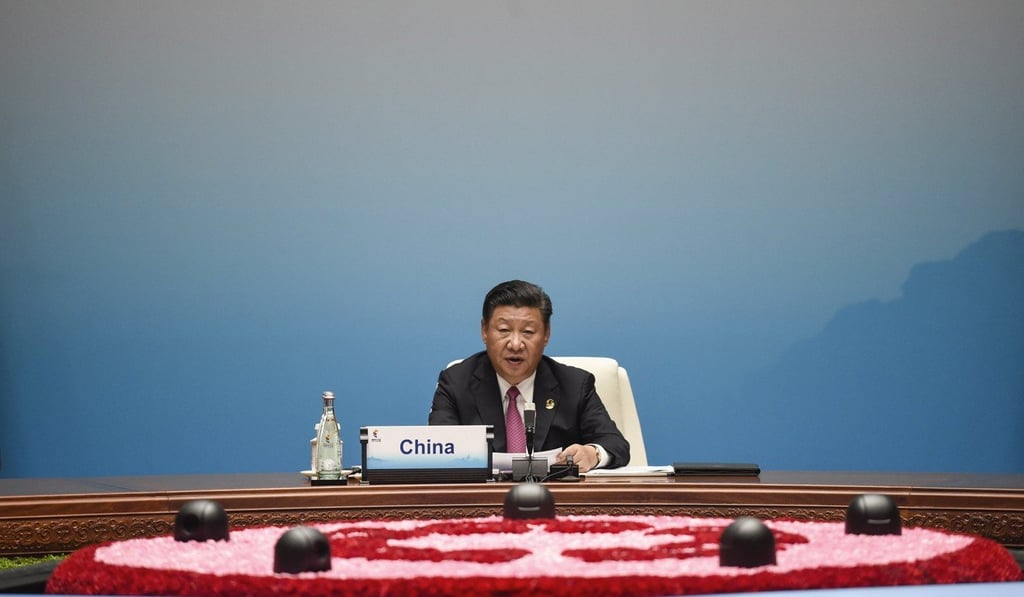
The grouping – an acronym for the economies of Brazil, Russia, India, China and South Africa – aims to promote the emerging economies’ influence on the world stage and challenge the post-second world war global order, dominated by the US-led Western alliance.
China’s grand military display signals Xi is here to stay
The BRICS concept, coined in 2001 by Jim O’Neill, a Goldman Sachs economist, morphed into a formal association in 2008 in the hope it would become an influential global association and, in particular, grow to rival the Group of Seven forum of major developed economies and leading democracies in the governance of global affairs. Since then, the bloc has engineered a significant restructuring of the global governance built on US-led Bretton Woods institutions. It has increased the share of voting rights for emerging markets at the International Monetary Fund and World Bank. It has also started operating its own New Development Bank, largely backed by China.
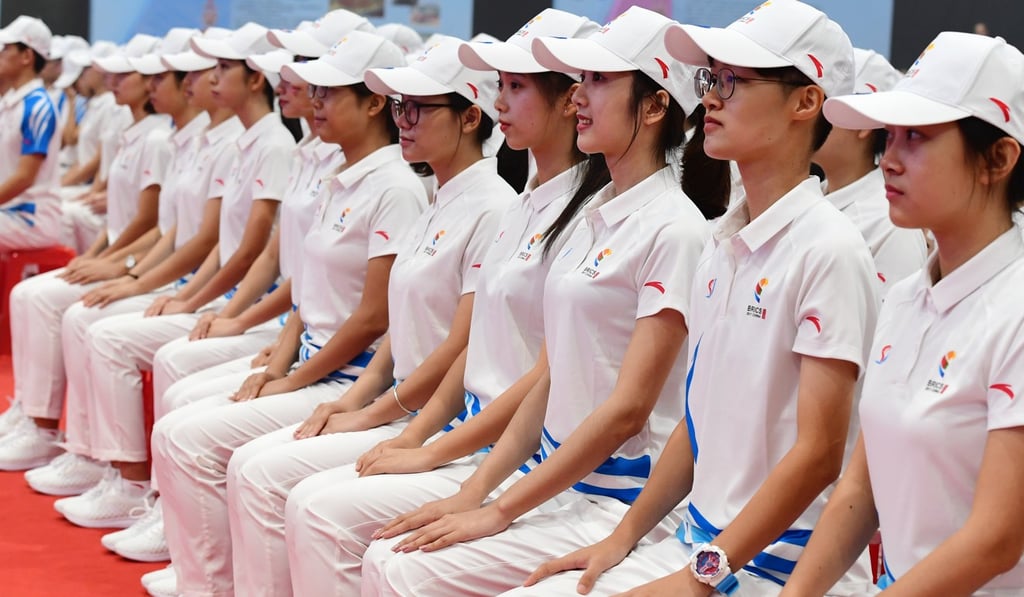
Members of the group have long hoped to overtake their Western peers to become global economic superpowers – a goal already achieved in large part by one member, China (at least in terms of economic scale – it is now the second largest economy in the world).
Why ‘bromance’ between world’s two most powerful leaders fell apart
Recently, some of these hopes appear to have receded. Russia, Brazil and South Africa are all struggling economically, while China, the key player of the grouping, has endured a slowing of growth for several years in a row. India, with its trend of accelerating growth, remains a shining light.