Sino FileTaiwan: a pawn in Donald Trump’s plan for US-China battles on anything and everything
The US president has declared a new era of open competition between the world’s two largest economies – Taipei should beware of collateral damage

The TTA encourages exchange visits between US and Taiwanese officials at all levels. In December, Trump signed the National Defence Authorisation Act which calls for mutual port visits for both navies.
What an unlimited Xi presidency means for China’s neighbours
Both moves have significantly shifted US policy towards Taiwan in a manner that has deeply riled China. According to state media, the moves challenge Beijing’s cherished “one China” policy and thus risk provoking a war across the straits. Beijing demands that any country wanting diplomatic relations with China cannot have official contact with Taipei.
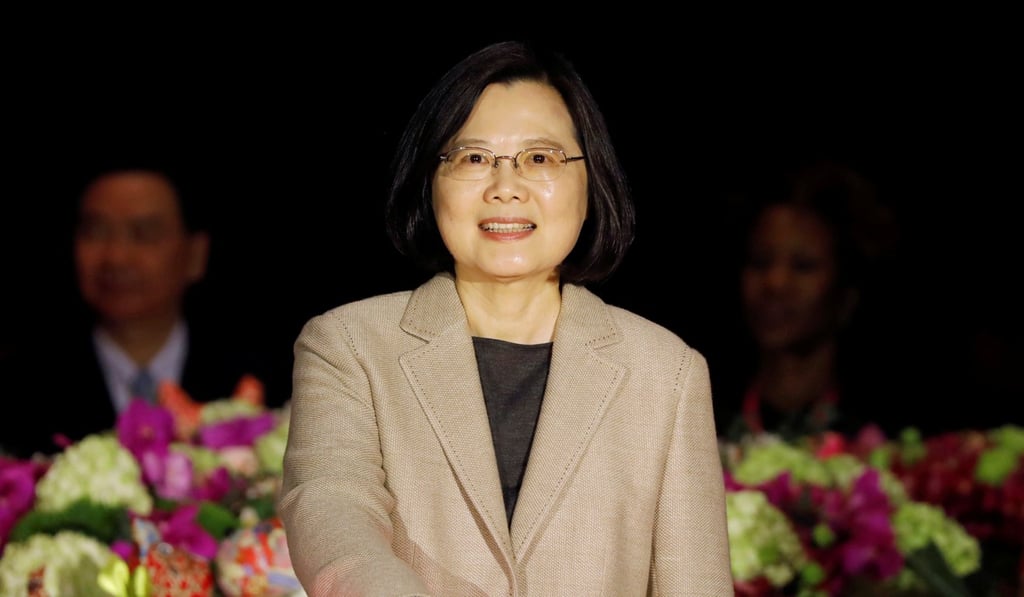
It should be noted that even without legislation, top-level exchanges between the US and Taiwan have existed on a regular basis for many years, though they were often kept low key. In 1992, President George W. Bush sent Carla Hills, the US trade representative, to Taipei.
However, the new acts have opened a door for upgraded contacts and will shore up a much stronger informal strategic relationship in case of escalating conflicts between US and China in the region. In the past, such provocative legislation would either not pass Congress or get vetoed.
The crux of the matter is not just about the legislation, but about Trump’s decision to sign it, as the bill does not require a president’s formal endorsement to become law. Trump’s signature signals his administration’s intent to abandon the long-held restrictions on developing ties with Taiwan.