
Sino FileChina’s love-hate relationship with Japan is love again. Ahem
Japanese Prime Minister Shinzo Abe may have shared a glass of wine with his Chinese counterpart Li Keqiang, but the two powers have been fighting for regional dominance, off and on, ever since the Tang dynasty

When Trump met Abe ... China was ‘on everyone’s minds’
For a long time, Chinese emperors treated their smaller neighbour as a semi-vassal state. However, after the Meiji Restoration in 1868, Japan started outgrowing China and encroaching on the Middle Kingdom’s sovereignty. Taiwan was ceded after Japan defeated the Qing dynasty’s navy in the first Sino-Japanese war in 1895. Japan then took control of China’s Manchuria from Russia after its 1905 victory in the Russo – Japanese war. Japan also occupied a large part of China during the second world war.
The nations marked a “Golden Age” after signing the Treaty of Peace and Friendship in 1978. Leaders from both countries claimed their friendship would last generation to generation and age after age. Since then, Japan has played a crucial role in assisting China’s modernisation, investing heavily in and granting technological and financial aid to the developing giant.
Would Karl Marx recognise China’s new communism?
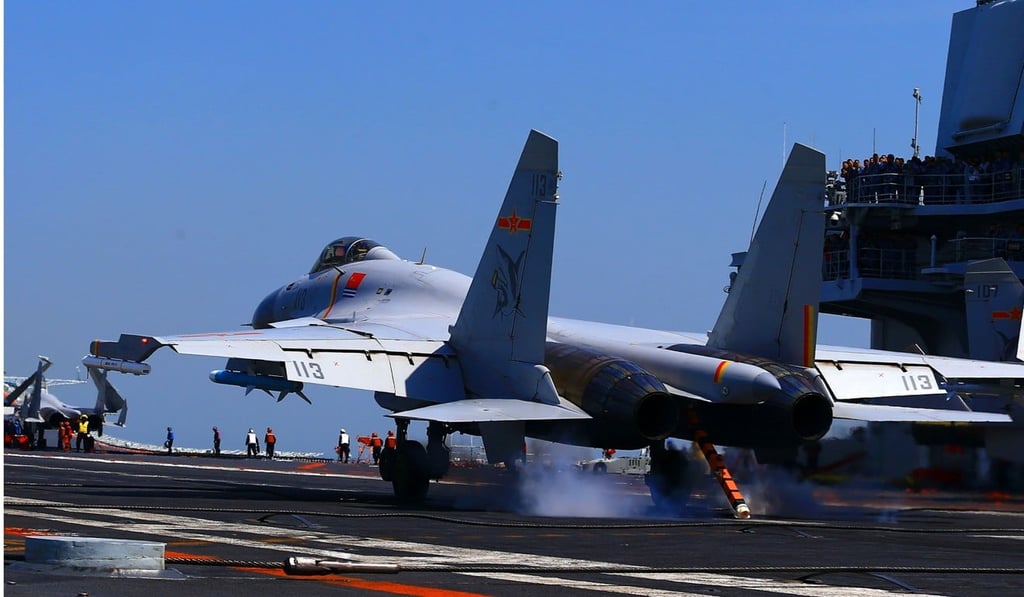
But relations have appeared a little more hate than love since 2012, when anti-Japanese protests broke out in more than 200 Chinese cities after Tokyo announced it would nationalise the disputed Diaoyu Islands – known as the Senkakus in Japan. The nations have since then been at odds on many issues, from wartime history to territorial disputes. The potential for military conflict is on the rise, with China dispatching more jet fighters and gunboats to disputed areas in the East China Sea. Tokyo is also stepping up its military build-up in reaction to Beijing’s fast military modernisation and its increasingly assertive diplomatic and security policies of recent years.