Sino FileChina has a lot to celebrate in 2019, but it also has old wounds to heal
- Beijing has a packed calendar of commemorative events, many of which are politically charged or divisive. For a nation moving forward, it’s time to acknowledge the difficult past

In 2019, China ushers in a year full of both festive jubilation and political trouble. Its communist leadership places enormous emphasis on the anniversaries of important historical events, though such politically significant dates might mean good or bad omens.
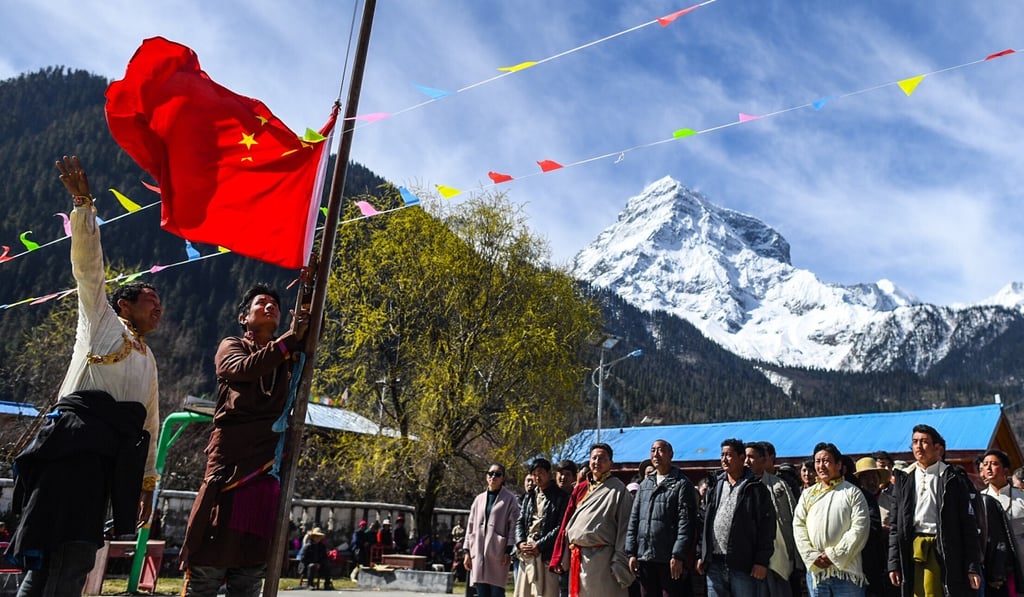
On March 28, Beijing will commemorate the 60th anniversary of Serfs Emancipation Day, a celebration of Tibet’s liberation from The Dalai Lama’s control, while Tibetans in exile and their supporters worldwide will gather on the same day to remember their failed uprising.
On April 15, Beijing will observe the 30th anniversary of the death of ousted reformist party chief Hu Yaobang. Hu was an advocate for Western-style democratic reform who helped steer China away from orthodox Marxism and Maoism, and his demise sparked student-led pro-democracy protests in 1989, which resulted in the military crackdown in Tiananmen Square on June 4.
It is also the centenary of the May 4 movement, a 1919 student-led protest that mixed anti-imperialism with a call for democracy and liberties, and which led to the founding of the Chinese Communist Party in 1921 – a big reason for the government to celebrate.