
Abacus | Will the AI dynamic pricing lead Hong Kong’s shoppers to virtual insanity?
- Dynamic pricing has been a feature of retail markets since humans engaged in bartering, but when computers take over it moves to a different level
- Consumer and producer price indices in China and Japan confirm what the Americans have researched – manufacturing margins in 2021 are hurting badly without it

What we’re living in
Price variance on basic supermarket items from week to week can be surprisingly large. I presume it’s based on inventory, as some “deals” for various items can halve the price. It’s one of the reasons I am wary of being a member of various rewards programmes and reluctant to hand over my full consumption profile – at a certain point they would get wise to the fact that Neil Newman will clear the next shelf of discount Cava at the weekend.
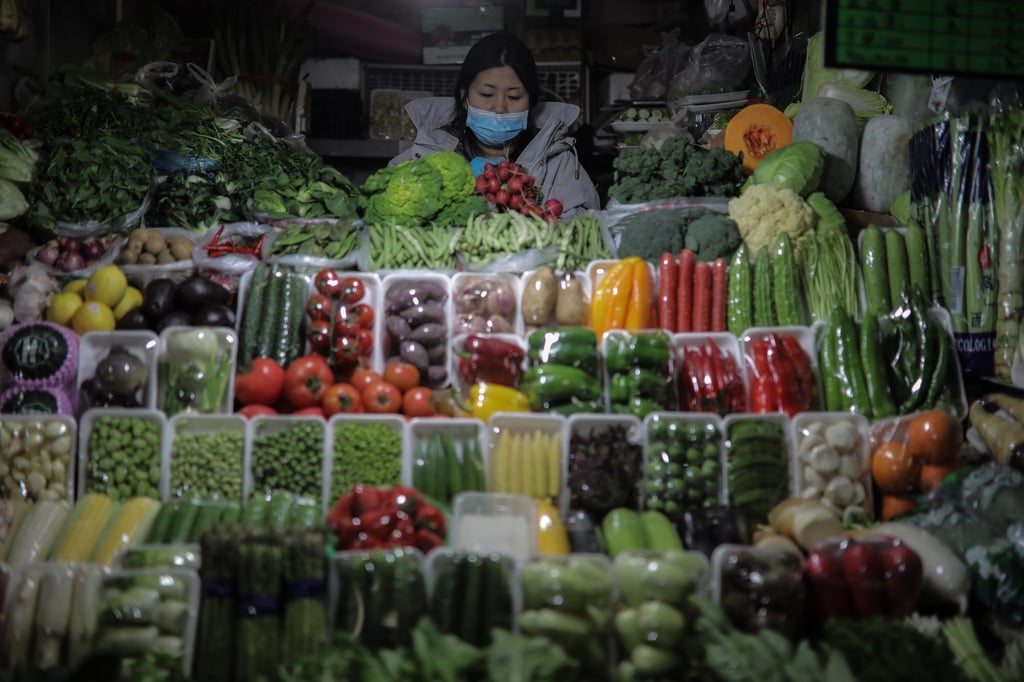
There has also always been a certain amount of dynamic, or rather arbitrary, pricing in wet markets. Without displayed prices, I get sized-up by the vendor wondering just how much I might be willing to pay for a bag of juicy lychees.
Things will never be the same
It was apparently the Quakers that some 150 years ago in their belief of fairness and equality came up with the idea of a price tag, with storekeepers employing a fixed-price system. Other shopkeepers copied the fixed-pricing as they saw the benefit of not requiring their shop staff to determine prices on the fly. With the price of goods from distributors and manufacturers relatively stable, and staff not needing as much training, retail stores could get bigger, allowing the arrival of supermarkets and hypermarkets. It was good too for customers, who now knew where they were with their shopping basket.