Advertisement
OpinionOman and China: the real winners of Trump’s Iran deal?
Behind the triumphalism, an eerily familiar agreement hands Muscat a privileged position that Beijing hasn’t missed
3-MIN READ3-MIN
1
Listen


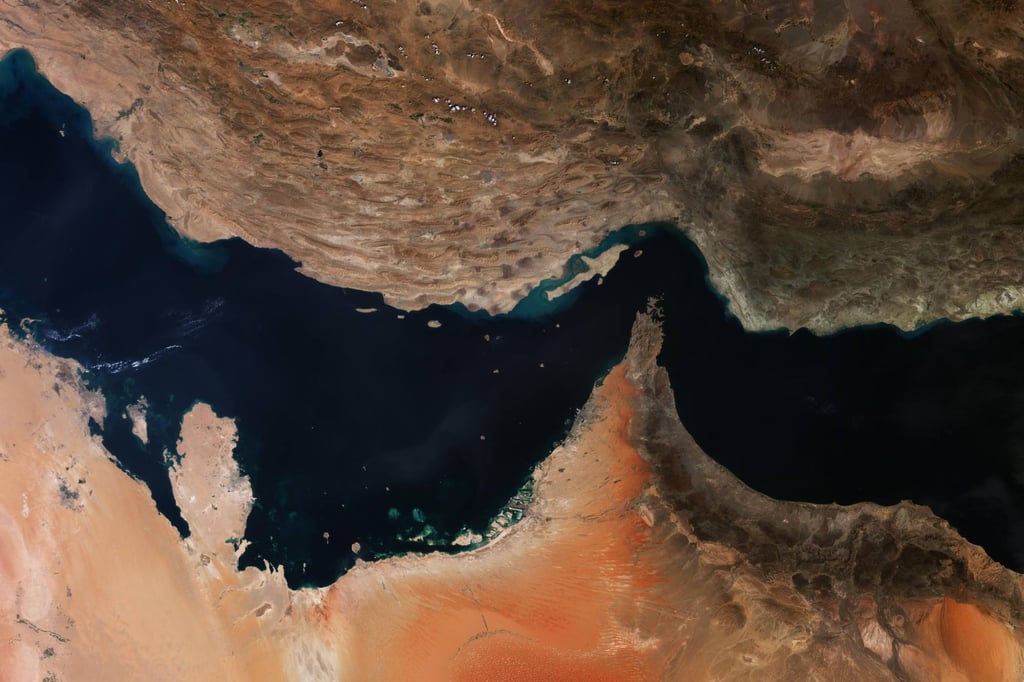
US President Donald Trump hailed the agreement with Iran as a historic breakthrough, announcing the reopening of the Strait of Hormuz and the end of the American naval blockade.
Trump claimed that, with a 14-point memorandum, he had secured lasting peace for the entire region, using the kind of triumphalist language he has often deployed in the past, from Gaza to Ukraine.
But, as is so often the case in international diplomacy, the real success of any agreement lies in the details. For now, the details remain shrouded in fog. Tehran and Washington have each fed the memorandum into their own narrative machine, stripping it for parts and presenting the wreckage as proof that they, and not the other side, emerged from the conflict victorious.
Amid this uncertainty and extreme volatility, China has seemingly decided to bet on two winners: the immediate tactical victor, Iran, and the longer-term strategic beneficiary, by virtue of geography, the Sultanate of Oman.
This comes as the Strait of Hormuz appears destined to become yet another frozen Middle East conflict: contained, but not resolved, in perpetual crisis rather than lasting peace.
In all likelihood, any follow-on agreement to the 14-point memorandum between Washington and Iran’s theocracy will look less like a historic turning point than a return to the past. The memorandum already revives, in point eight, several elements of the 2015 Iran nuclear deal negotiated by the Obama administration and loathed by Trump.
Advertisement
Select Voice
Select Speed
1.00x