China-Australia tensions and racism fuelling Asian ‘reluctance’ to join politics
- Australia has less political diversity than Canada, New Zealand and the UK, according to a monitor, while another group says this year’s federal election has fewer candidates of Asian descent than in 2019
- Asian-Australian candidates explain why they are running, the xenophobia they face amid China-Australia tensions, and the issues their communities care about
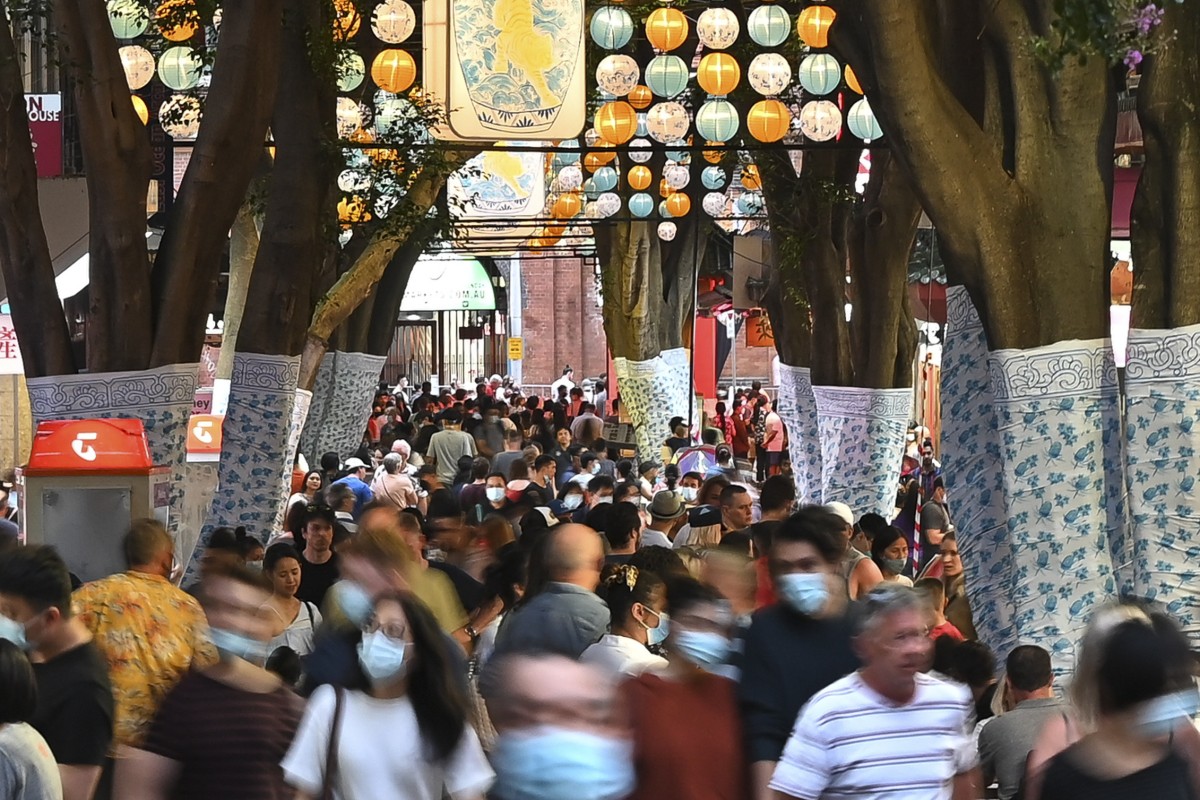
According to an election watch brief released last year by the University of Melbourne, only three candidates with Asian ancestry were elected to the 151-seat lower House of Representatives in the 2019 election, when the current government was formed. Asian-Australians make up between 14 to 16 per cent of the population, but only 2 per cent of parliament.
“The ideal of a liberal democratic political system is that its institutions should broadly reflect the make-up of the governed society,” he said. “For a multicultural and migrant country such as Australia, this means its elected legislatures should contain public representatives from a variety of backgrounds, commensurate with their numbers within the population. However, one noticeable feature of Australia’s parliaments is the conspicuous lack of Asian-Australians.”