In Nepal, a new book memorialises women of nation’s feminist movement: ‘to know is to understand’
- A new book gives a glimpse of the life and times of women whose works and words have shaped modern Nepal’s feminist movement
- It has a decades-long history but poor recognition of the nation’s feminist history grew conflict within the movement

When she fielded her nomination for the country’s first parliamentary election in 1959, male political advisers told Rai the “timing was not right”. She campaigned for girls’ education in eastern Nepal’s Ilam district throughout that decade, and later travelled across the country advocating for women’s literacy and against social discrimination at a time when few women were visible in leadership roles.
But Rai is among many women whose names, along with their accomplishments, have faded in public and institutional memory with time. Now, a new book – a collection of more than 500 archival images and anecdotes – memorialises their stories, giving a glimpse of the life and times of women whose works and words have shaped modern Nepal’s feminist movement.
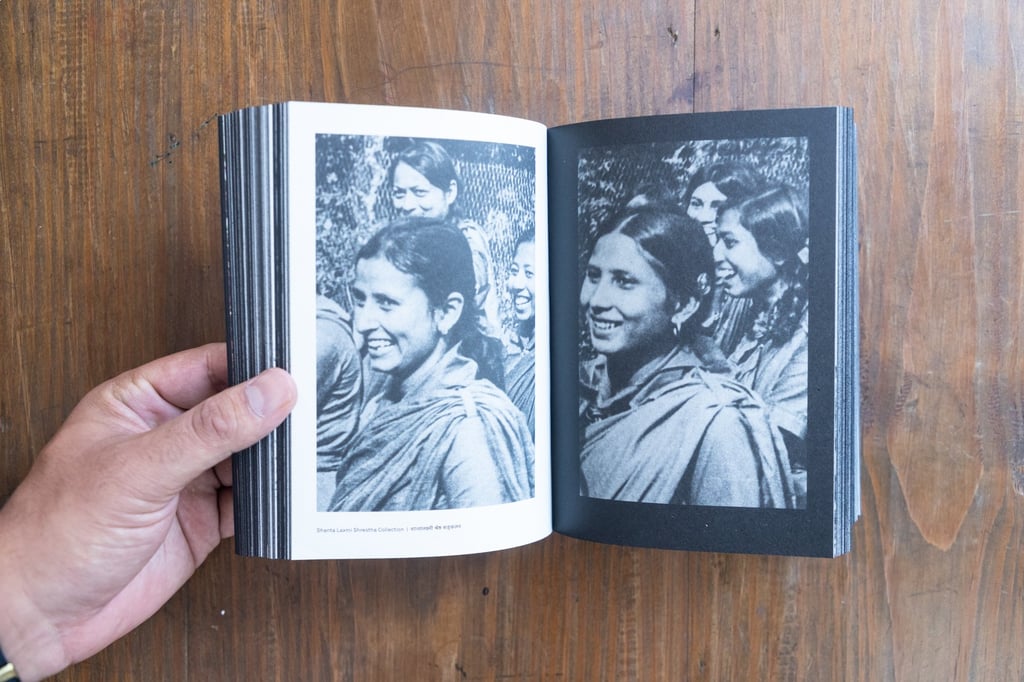
“It’s a story about the collective experience of women in this country,” said Diwas Raja Kc, co-curator of the book, The Public Life of Women: A Feminist Memory Project. “There are important women who are cannons of the feminist movement but we have embedded them in a larger social history that belongs to women with no faces and names.
“It’s necessary to celebrate, acknowledge and visualise what has happened in the past for young people to witness and have sense of history,” added NayanTara Gurung Kakshapati, the other curator.
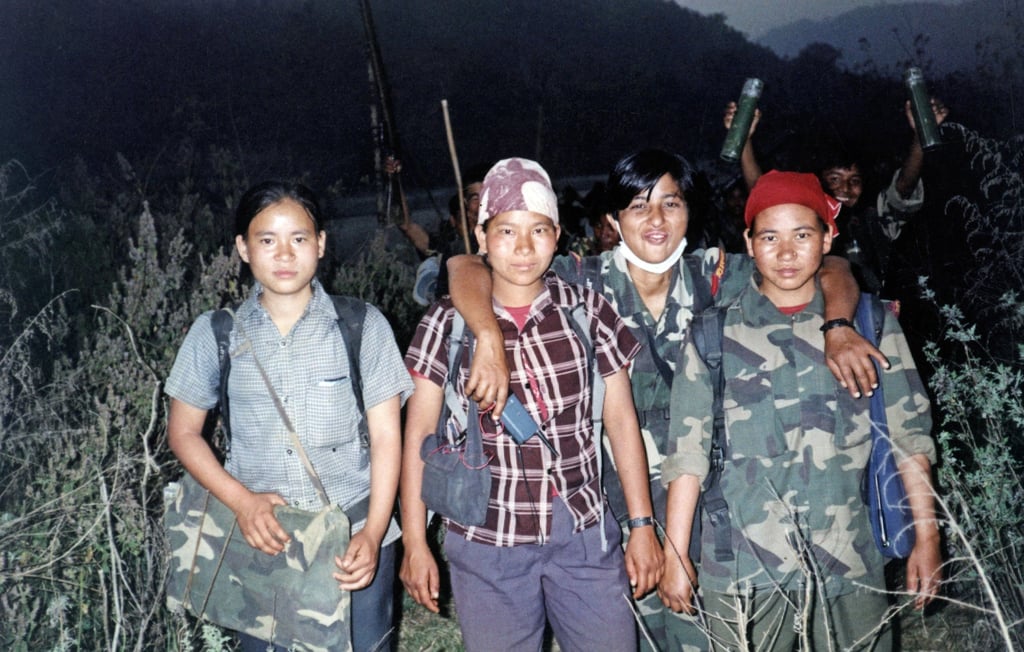
Nepal’s feminist movement has a decades-long history – women rallied against the Rana oligarch’s totalitarian regime until its collapse in 1951 and in the following decades demanded for voting rights and access to education, while protesting caste-based discrimination and social oppression. In the 1990s, thousands of women also joined the Maoist armed rebellion against the state to end feudalism, patriarchy and gender discrimination for an equal society.
But the poor recognition of the country’s feminist history has led to intergenerational conflict within the movement, said Kc, which led to the formation of Feminist Memory Project initiated in 2018 by a digital photo archive platform called Nepal Picture Library.