Advertisement
Balikatan 2026: US, Japan, Philippines flex military muscle amid China tensions
Analysts say this year’s drills, which stress tested a new generation of mobile strike capabilities, were a pointed display of resolve
4-MIN READ4-MIN
7
Listen


It took less than six minutes for Japan’s Type 88 missile to find its mark, a decommissioned Philippine warship 75km (47 miles) off the coast of Ilocos Norte.
The US-made Tomahawk took rather longer to hit its target, some 630km (390 miles) away.
It was, analysts say, a pointed display of resolve: Japanese, American and Filipino troops bringing this year’s Balikatan joint exercises to a thunderous close with a volley of missiles fired from sites in the far northern Philippines.
The Tomahawk cruise missile launched from a US Army Typhon system marked the first operational firing of the controversial launcher since it was deployed on Philippine soil more than two years ago.
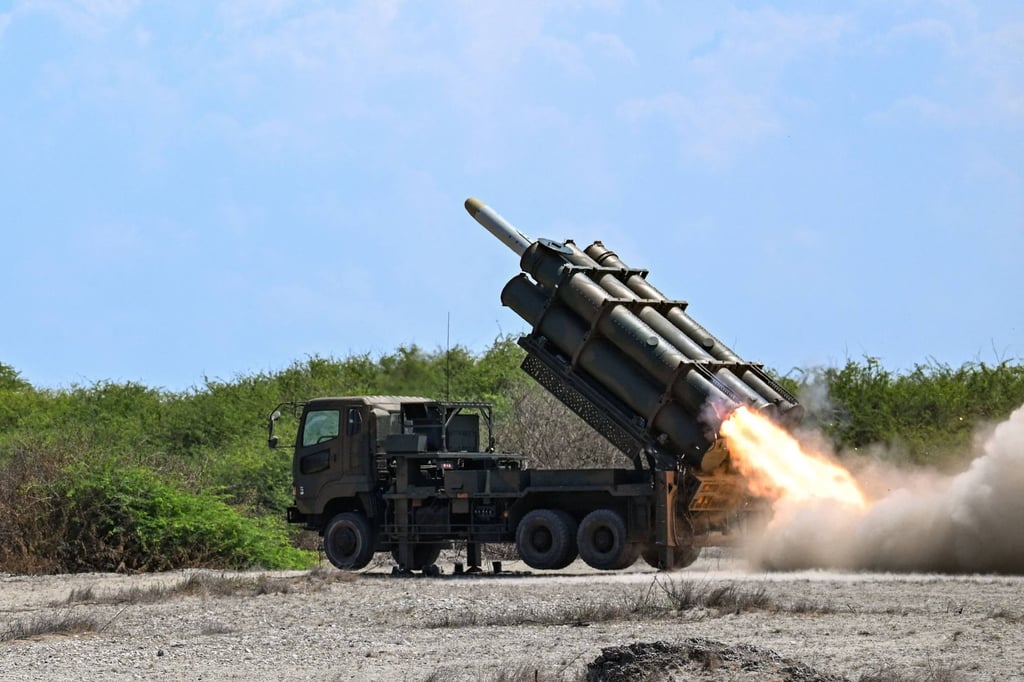
Japan’s test firing, meanwhile, was swiftly condemned by China as Tokyo’s first overseas “offensive missile” launch in eight decades and evidence of its rising “neo-militarism”.
“The message of the exercise is clear,” said Chris Gardiner, chief executive of the Institute for Regional Security NGO in Canberra. “‘Not today’ – now is not the time to use force against the Philippines or to change the status quo around Taiwan.”
Advertisement
Select Voice
Select Speed
1.00x