Why South Korea’s Jeju wants to show you where the communist bodies are buried
With Chinese tourism falling thanks to a spat between Seoul and Beijing, the island idyll is trumpeting its past as a theatre for a bloody crackdown on communists

Ko Wan-soon’s most vivid childhood memory is of her village in flames. It was 1949, she was nine years old, and soldiers barged through her front door and dragged her out of her home along with her mother and younger brother.
Once outside, she saw the neighbouring thatched-roof houses ablaze and heard the crackle of gunfire.
Her brother wailed in fright until a soldier hit him over the head with a club to silence him. In the chaos, she managed to flee, staying low to the ground to avoid
being spotted, crawling on her hands and knees to the mountains on the village’s outskirts.
“I noticed that my hands were sticky from touching the soil,” she recalls. “Then I realised they were covered in blood.”
After Ko fled her village, she spent 40 days in a cave “living like a pig”, as she puts it, without bathing and only eating coarse grains she and other hiding villagers could find on the ground.
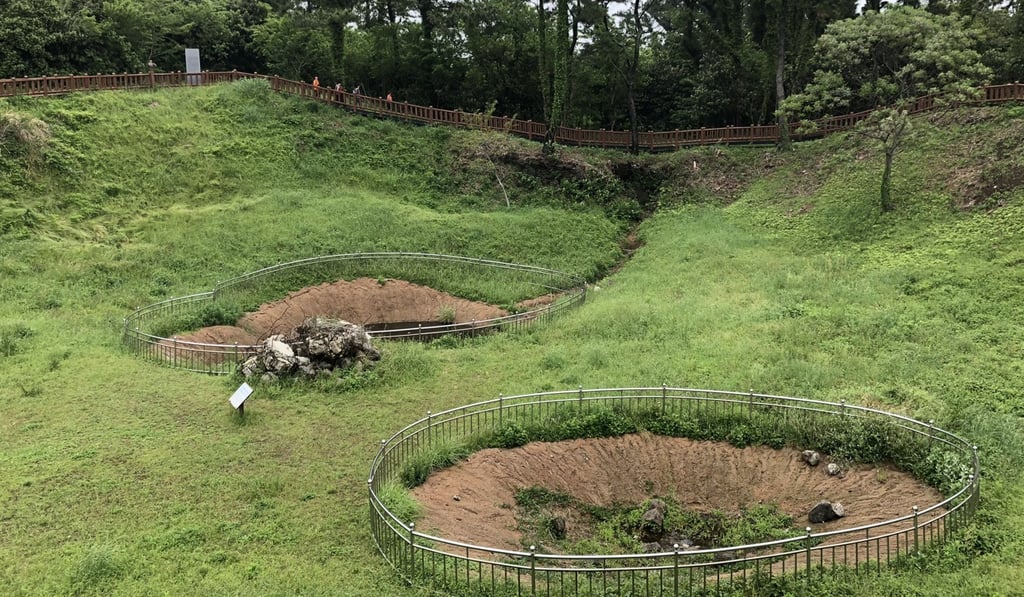
In the late 1940s and early 1950s, South Korean army troops cracked down violently on what they saw as a dangerous communist insurgency on Jeju, causing anywhere from 15,000 to 30,000 deaths.