How Japanese yakiniku restaurants became the Wagyu beef eateries for the meat lovers

- Yakiniku drew heavily on influences from Korean dishes but has evolved into a Japanese favourite because of its tender Wagyu options and simple cooking methods
The popularity of yakiniku (meaning “grilled meat” in Japanese) began during a tense period in history.
Originally, yakiniku was the name for any “Western barbecue food”, and was brought into the mainstream by Japanese writer Kanagaki Robun in his 1872 book, Seiyo Ryoritsu (meaning Western Food Handbook).
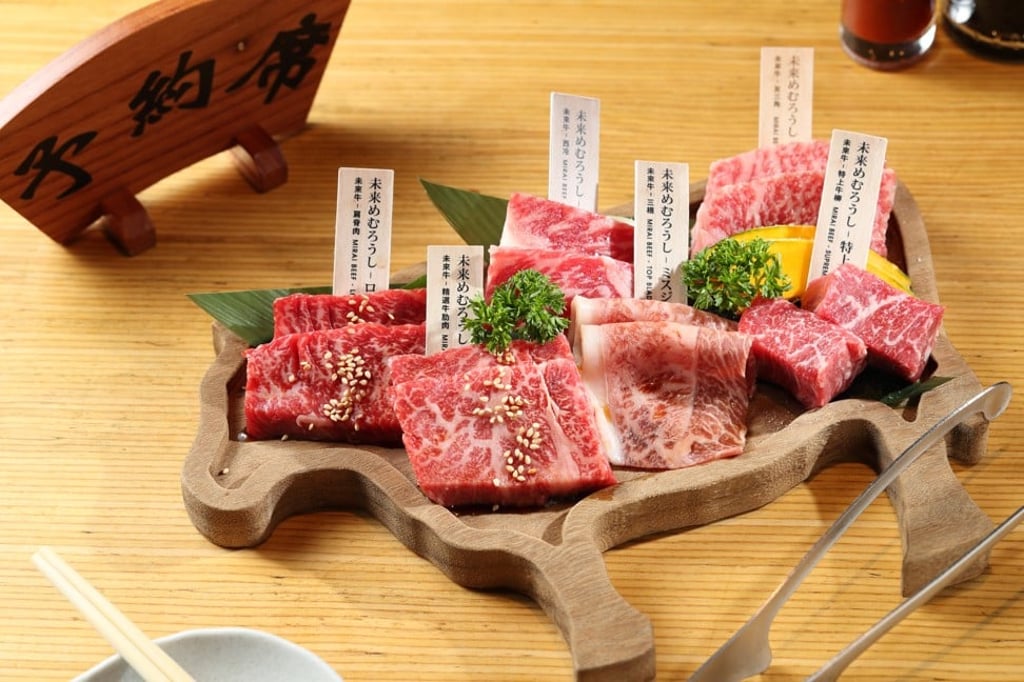
At the time, the general Japanese style of yakiniku drew heavily on influences from Korean dishes such as bulgogi and galbi, which became popular after World War II.
The term was reinforced during the Korean war, from 1950 to 1953, when Korean restaurants in Japan were divided into North and South, and the reference to both of these types of eateries as “yakiniku restaurants” became a politically correct option.
Ventilated barbecue systems were the game changer, and the evolution of yakiniku began. Introduced by Shinpo Co. in March 1980, this type of grill quickly spread throughout Japan as it enabled diners to eat in a smoke-free environment.
What differentiates yakiniku from what we now characterise as Korean barbecues is the quality of the meat, or the star of the show: Wagyu beef.
Adhering to the Japanese gastronomic philosophy that great ingredients should be eaten with as little adulteration as possible, the restaurants with the best selection and exclusive access to speciality cuts of meat became revered. Nowadays patrons pay hefty sums of money to sample a rare breed of beef.
For decades this has been the standard by which a good yakiniku is measured, but even at that, it often isn’t enough to win over discerning diners. From different ways of dressing the beef to adding unconventional ingredients for an edge, yakiniku restaurants now tend to mix things up.
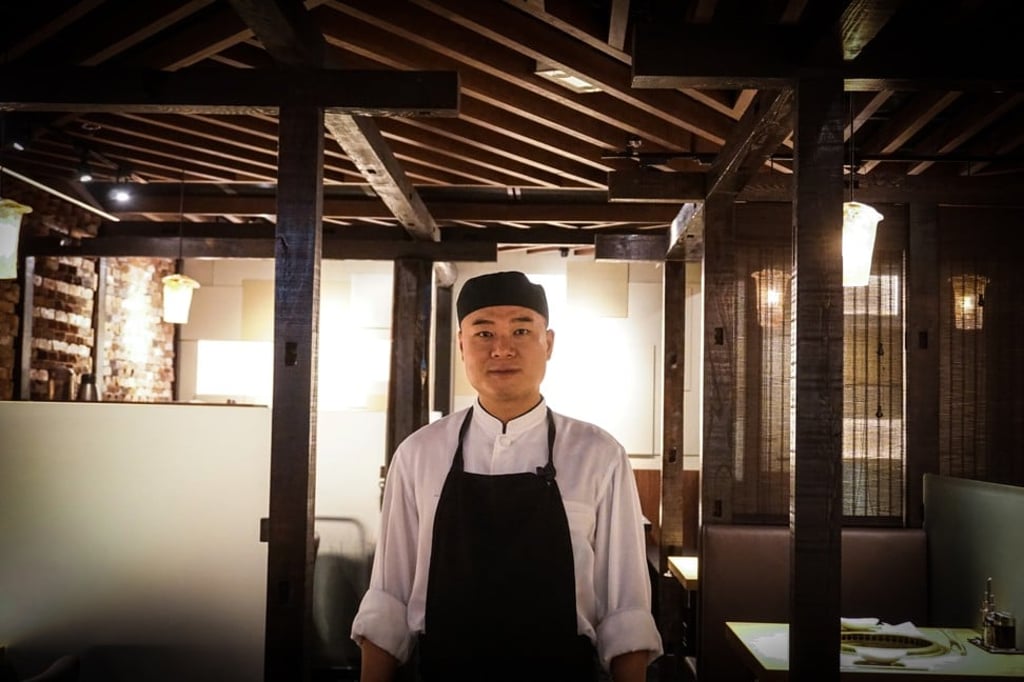
After more than 30 years in Tokyo, Yakiniku Jumbo is one of the best-loved meat havens. Sushi legend, chef Takashi Saito of Sushi Saito, once pronounced this to the best yakiniku in the city, and Yakiniku Jumbo ranks highly on Japan’s leading crowdsource restaurant review site, Tabelog.