Why sustainable restaurants in Hong Kong, Bali and elsewhere find it hard to go zero-waste completely

Although famed chefs and restaurants, including Amber’s Richard Ekkebus in Hong Kong, are making strides, many find becoming ‘zero-waste’ incredibly difficult
Sustainability in dining has become a philosophy and mantra passionately espoused by many in the restaurant industry, as many proudly proclaim their sustainable sourcing or “farm to table” menu.
However, from the perspective of a diner simply seeking to do the right thing by minimising his or her impact while still enjoying a great meal, the landscape can be daunting, the language confusing and the promises questionable.
That is why it’s important to know which restaurants truly walk the walk, and also it’s key to hear from independent voices to avoid the risks of greenwashing and box-ticking. One such voice is the London-based NGO the Sustainable Restaurant Association, which is launching the Hong Kong chapter of Food Made Good, one of its initiatives, later this month. Chief executive Andrew Stephen does not mince his words: “Words [such as] local and seasonal, zero waste and plastic-free are scattered on menus and restaurant websites as liberally as croutons on a salad. Ever savvier diners tend to have a greenwash sensor and will sniff it out. It does the industry a disservice and the restaurant graveyard is full of businesses that got found out.”
The need to be environmentally restorative and socially progressive. Our framework provides restaurants 10 key areas in such diverse issues as provenance, efforts to minimise food waste and how tips are distributed among staff
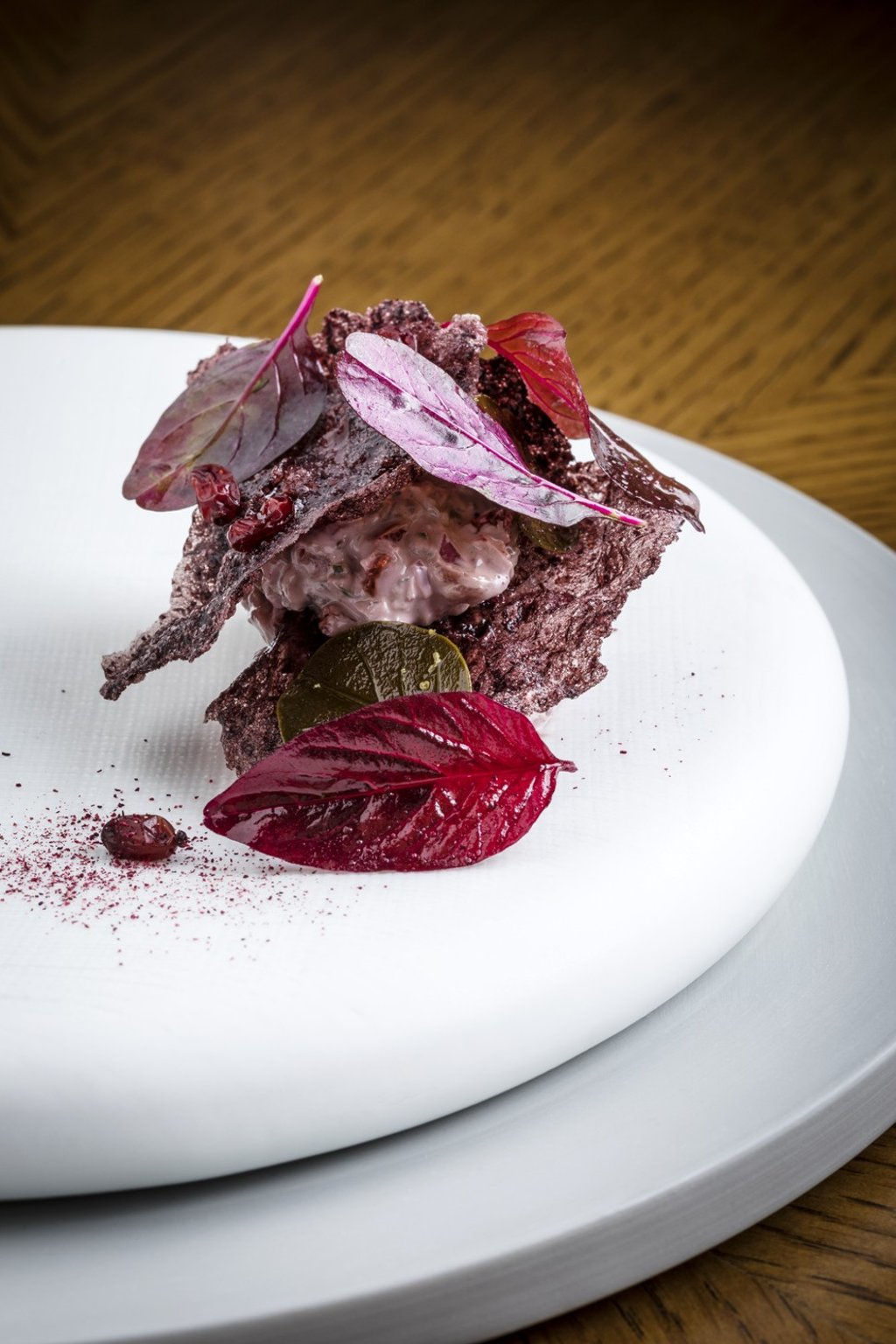
This naturally begs the question as to their barometer for truly sustainable restaurant operations. It’s a long list but includes: “The need to be environmentally restorative and socially progressive. Our framework provides restaurants 10 key areas in such diverse issues as provenance, efforts to minimise food waste and how tips are distributed among staff. We look for evidence of established policies, genuine staff engagement on each issue and clear examples of communicating their positive action.”
The next step is finding restaurants that truly really deliver on their sustainable promise. Closest to home sits two Michelin-starred Amber at the Landmark Mandarin Hong Kong, where culinary director Richard Ekkebus has recently forged an exciting new culinary direction for the acclaimed fine-dining room.
The focus translates behind-the-scenes in myriad ways, although Amber has always had a leading edge when it comes to sustainability. The restaurant went plastic-free six years ago, long before the recent single-use movement gained momentum. For ingredient sourcing, Ekkebus says: “I said we wanted to source fish responsibly so I contacted WWF and we agreed that certain things would not be sourced or used, that we would look at calendars when fish were spawning, when it was not responsible to buy certain fish. That was 14 years ago. Then with water, when I saw for the first time what The French Laundry [was] doing, I thought that this is what we need. We cannot ship water from Tuscany around the world and vice versa. That doesn’t make sense.”
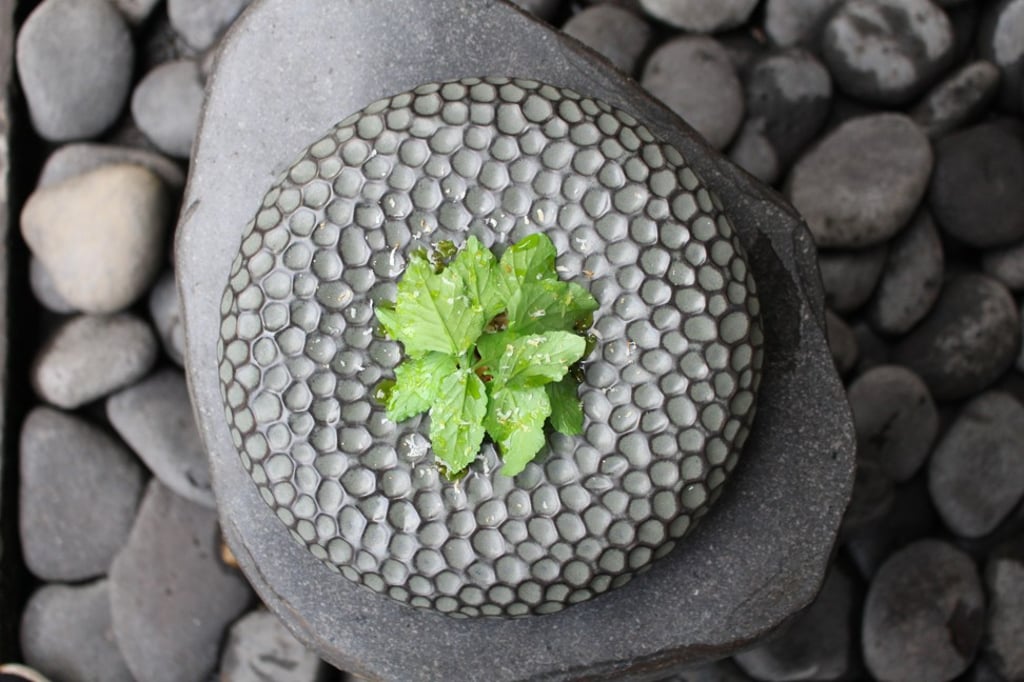
Awareness and activation around sustainability clearly runs in the Ekkebus DNA. “People are making dining decisions based on how are you as an operator, your carbon footprint. I have a 20-year-old son and a 33-year-old daughter, so I hear a lot from them. I get a lot of feedback on how they see the future,” he says.
Getting three Michelin stars already marks the pinnacle for any restaurant, but chef Eneko Atxa’s Azurmendi restaurant in Spain’s Basque region also holds the distinction of being formerly named the Most Sustainable Restaurant at the World’s 50 Best Restaurants awards.
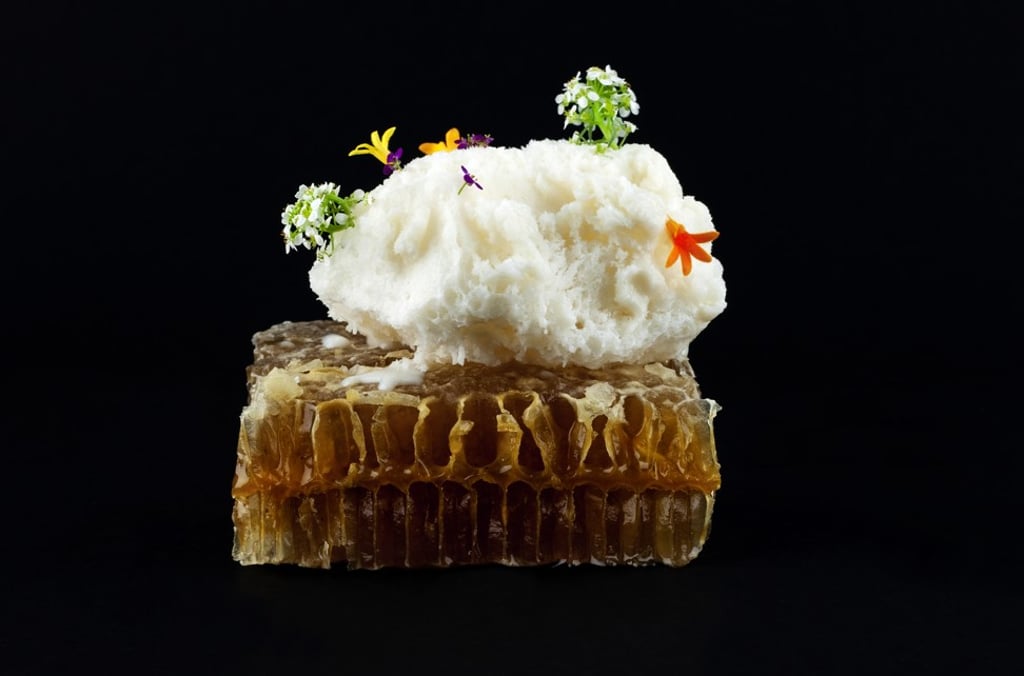
Its germoplasma bank holds more than 400 local seed varietals while the building is bioclimatic thanks to locally recycled materials and technology including geothermal and solar power.