Hand drip, French press or espresso machine? Single origin or blended beans? Ethiopia, Brazil or Colombia? How to make the perfect cup of coffee

And you thought it was just about adding some hot water? That dream cup of java to get your day going is both art and science, so what does it take to make a perfect cup of coffee?
What does it take to make a perfect cup of coffee? Years of studying and training, according to Anson Wong, coffee roaster at Elephant Grounds, a speciality cafe with outlets around Hong Kong.
“It took me about two years and involved a lot of reading as well as trial and error,” says Wong, who started working as a barista in Sydney. After studying speech pathology at university, he decided he wanted to turn his love of coffee into a career. “My parents were super against it, of course, but when they saw how serious I was, they came around.”
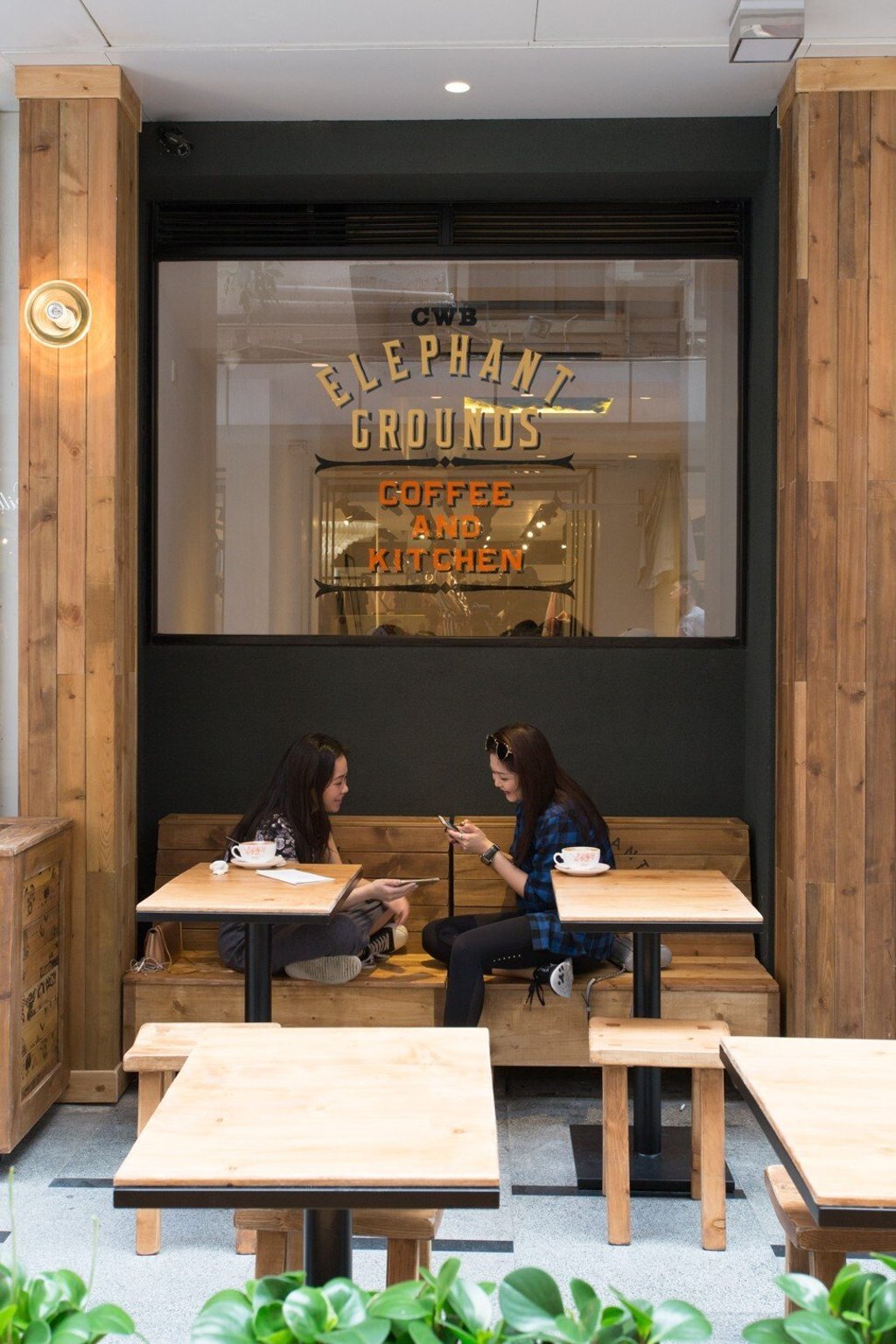
When it comes to choosing the right bean, it is more about the smell than taste, says Wong. “Roasters choose the beans and test them to make sure the taste is good,” he explains. “Yesterday we tasted about 12 types of beans and next week we are tasting 28 coffee beans just from one country – Ethiopia.
“When a barista makes coffee, it looks like we just press a button, but we have to control a lot of variables, such as temperature, amount of water, and the grind. All this will affect the taste of the coffee. Even if I use the exact same beans as someone else, the results can be different. So if the coffee tastes watery or acidic, it could be an indication of bad technique. At Elephant Grounds, we spend a lot of time training the baristas so they can get a good, consistent cup every day. So behind the scenes, we spend a lot of time adjusting the recipes.”
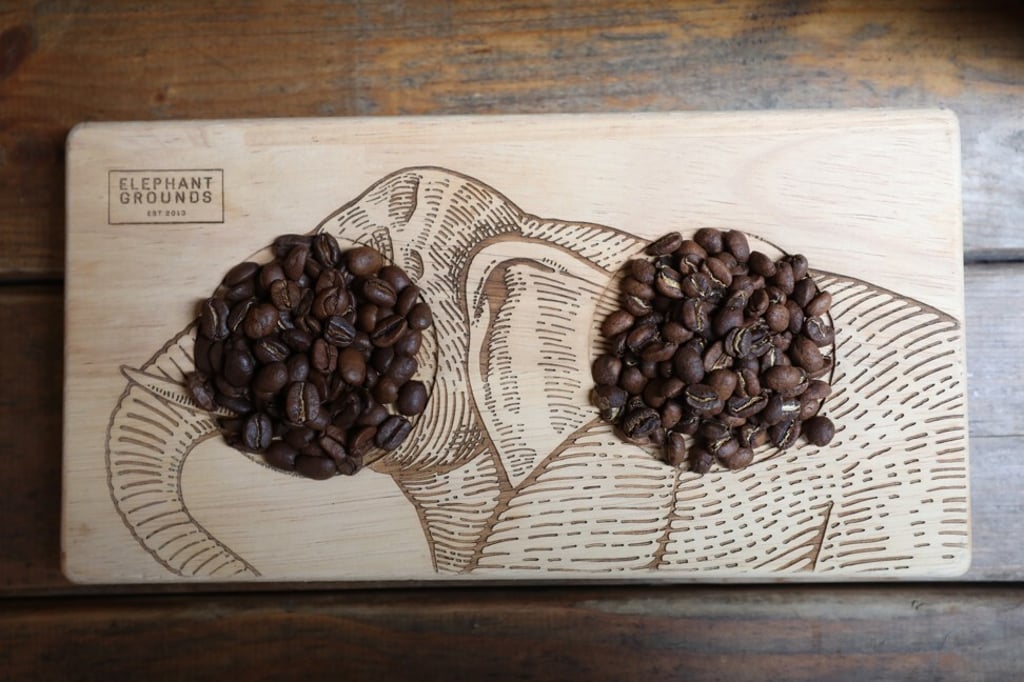
The brewing technique also affects the taste of coffee. “I like percolation and hand drip coffee – some people call it pour over – which produces a clean, silky taste,” says Wong. “Basically, all brewing methods involve a filter. For hand drip coffee, the filter is paper whereas for the French press, it is a metal mesh. French press produces coffee on the strong side of the spectrum, but it tastes clean in comparison to espresso, which can be very strong, powdery and bitter.”
Then there is the siphon method, which is a completely different brewing style. “The water is heated from the bottom and sealed on top. When it begins to boil, because of the pressure it quickly gets to about 88 degrees Celsius, and then you add the coffee and stir. It is brewed at a higher temperature in comparison to hand drip, which does not reach 88 degrees straight away. With siphon brewing, the water on top is heated to a much higher degree, which extracts more flavours from the coffee.
