Winter in Hong Kong means hotpot and spicy food – chefs at Rosewood Hong Kong’s Chaat, The Royal Garden’s Dong Lai Shun, and Brut explain the spices that’ll warm you right up

Sze Chiu-kwan uses up to 15 spices in his Sichuan cuisine and Manav Tuli favours fenugreek leaves in his contemporary Indian butter chicken, while Gavin Chin’s fusion laksa doughnut is all about herbs
More than any other time of year, winter is when diners flock to eat something spicy to warm themselves up as the cold weather sets in. For Hongkongers, this often means eating hotpot and the spicier regional Chinese cuisines such as Sichuan dishes. So where should you sample a bit of spice this season?
Sichuan cuisine at Dong Lai Shun, The Royal Garden
Dong Lai Shun at The Royal Garden Hong Kong is known as a Beijing, Huaiyang and shuan yang rou (Mongolian hotpot) restaurant, but Sichuan cuisine has become so popular with Hong Kong diners that the restaurant’s executive chef, Sze Chiu-kwan, now has a selection of these dishes on his menu.
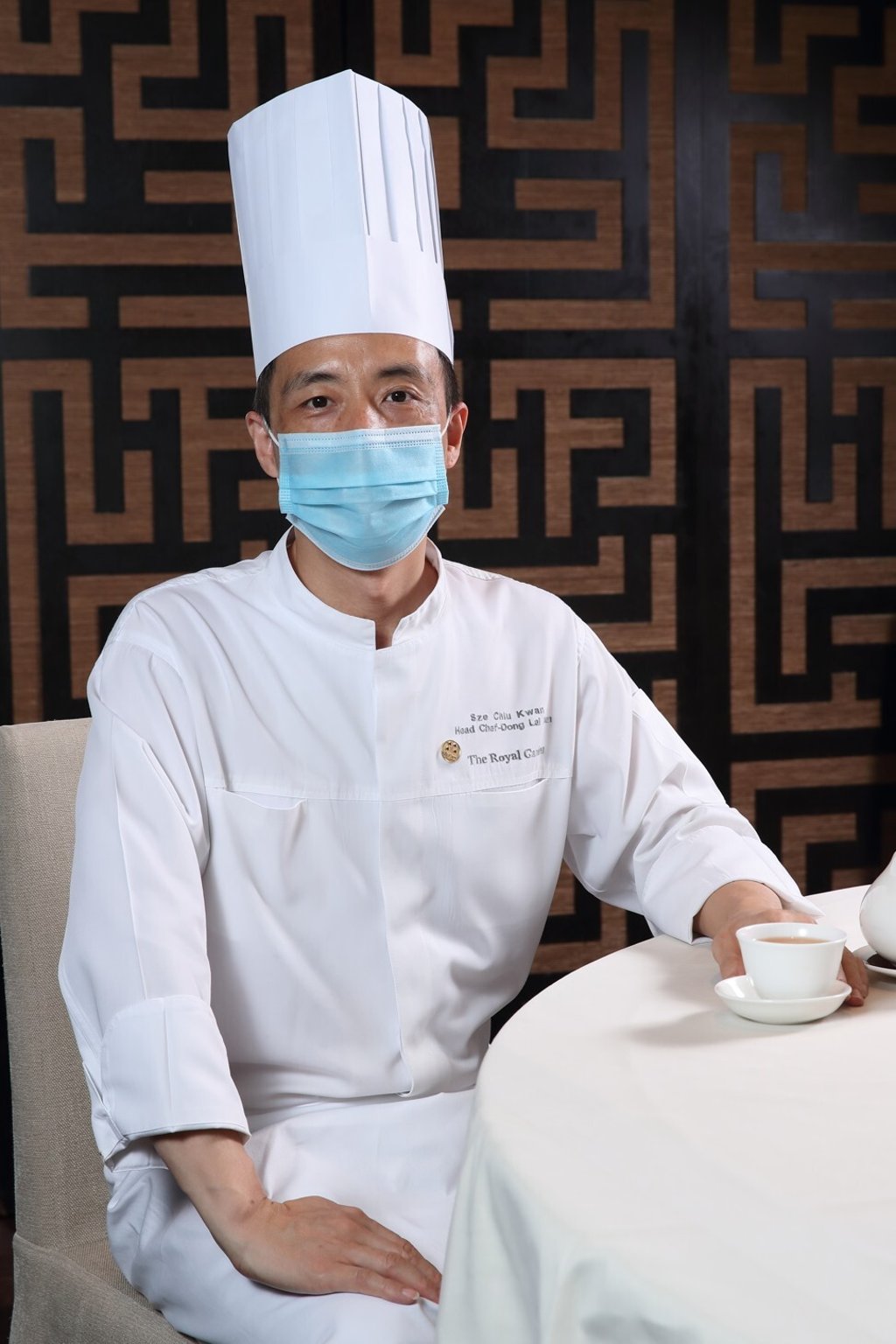
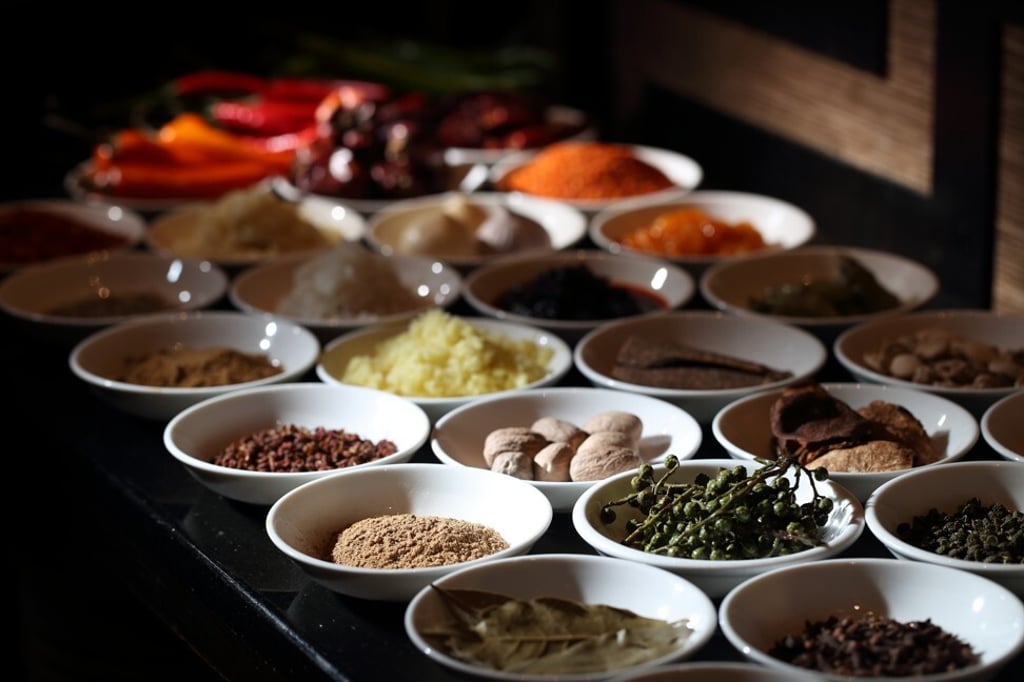
Sze has more than 30 spices in his kitchen, and he can use up to half of them in just one Sichuan dish. “There are 30 spices and chillies here, but I can use 10 to 15 in one dish. The amount of each spice I use depends on how spicy the dish is and if you want sour or other flavours to show through.”
Spices provide aromatic flavours to a dish, and one flavour should not overpower another. Sze says it is all about balance but if you want a stronger peppery or chilli flavour, then use dried spices. “There are two ways to use Sichuan pepper, fresh or dry. The fresh ones are not too strong whereas the dried ones give you more of a numbing or mala taste,” says Sze, who has been a chef for 30 years. “Different Sichuan peppers have various levels of numbing and spiciness, too. The one that makes your mouth water is the dark Sichuan pepper. If the dish is too overpowering, chefs can add a touch of vinegar or sesame oil to lower the sharpness of the chilli or pepper.”
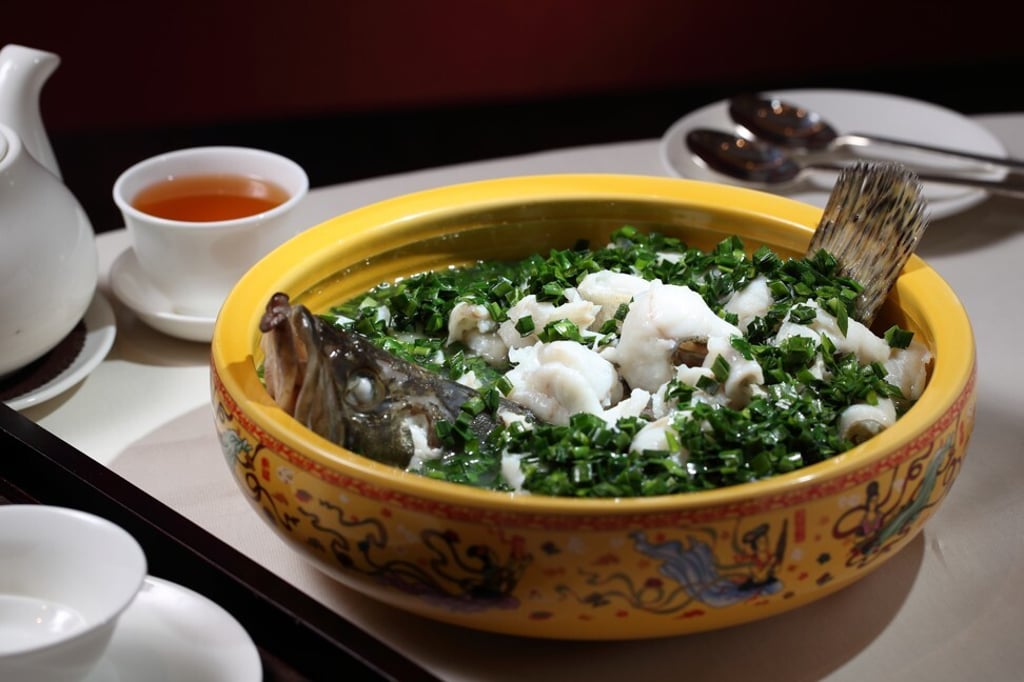
Sze says the level of spiciness also depends on the ingredients; for instance, fish will be milder and stronger meats require stronger spices.
If the amount of spices used for a good Sichuan dish seems too overwhelming, then just know that, along with chilli and Sichuan pepper, the average household in Sichuan commonly uses the “fragrant five” – fennel, pepper, aniseed, cinnamon and clove. Also frequently used in the cuisine are garlic, ginger and star anise. Sichuan dishes should be intensely fragrant with citrus-like flavours and a tingling, numbing aftertaste.
Indian cuisine at Chaat, Rosewood Hong Kong