Why Mediterranean food is Hong Kong’s hottest summer dining trend – from Bedu to Salisterra

- The fresh ingredients and zesty flavours of Southern Europe, Northern Africa and the Levantine are our go-to during the hotter months
- From newly opened Salisterra in The Upper House to old favourite Bedu in Central, here’s how the city is putting its own spin on classic coastal fare
As the mercury rises, one of the cuisines that we instinctively turn to is Mediterranean. It may be the prevalence of seafood, fresh salads, zesty flavours or just the use of olive oil instead of butter that whets our appetite in this sweltering heat.
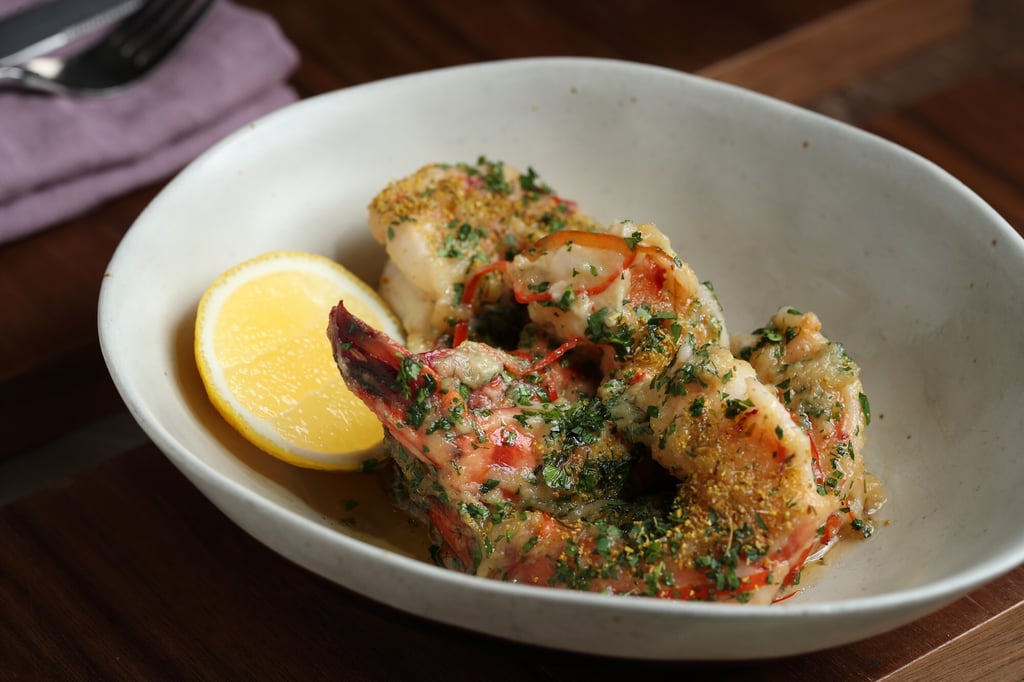
Having said that, while the region is tied together by the eponymous stretch of water, it’s quite unfair to lump the cultures of the coastal regions of Southern Europe, Northern Africa and the Levantine into one. All the same, trade has connected these areas for centuries, leading to shared ingredients and even the intertwining of cooking methods.
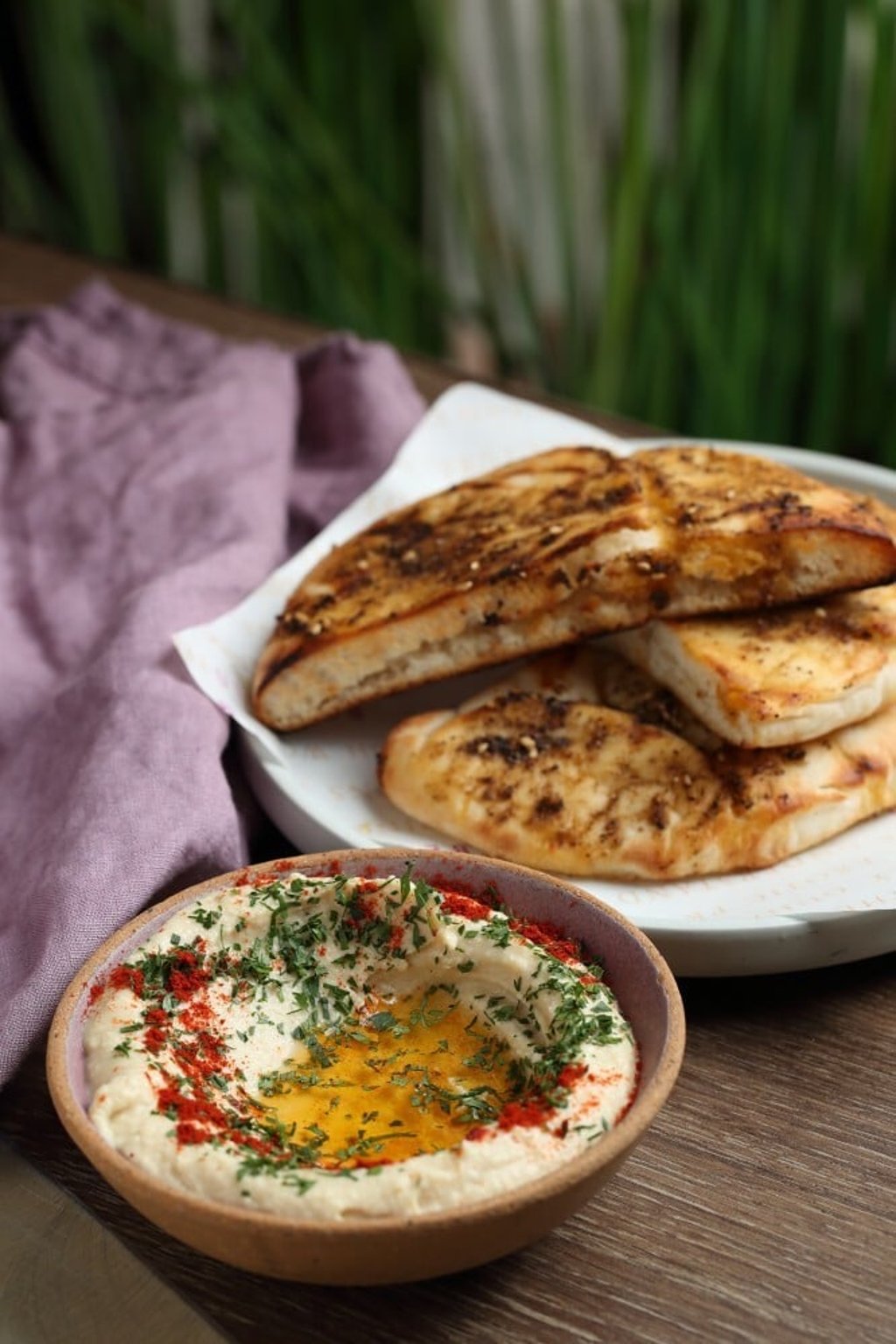
Mediterranean cuisine isn’t governed by a single culture but is very much the product of cultural influence and exchange. In fact, several of the world’s earliest civilisations bordered the Mediterranean Sea, their development bolstered by the rich soil and temperate climate that made agricultural production thrive. The warm weather and fertile Mediterranean coast create the perfect conditions for growing and producing many of the region’s best-known ingredients, including olives, figs, citrus fruits, various vegetables and fresh seafood.
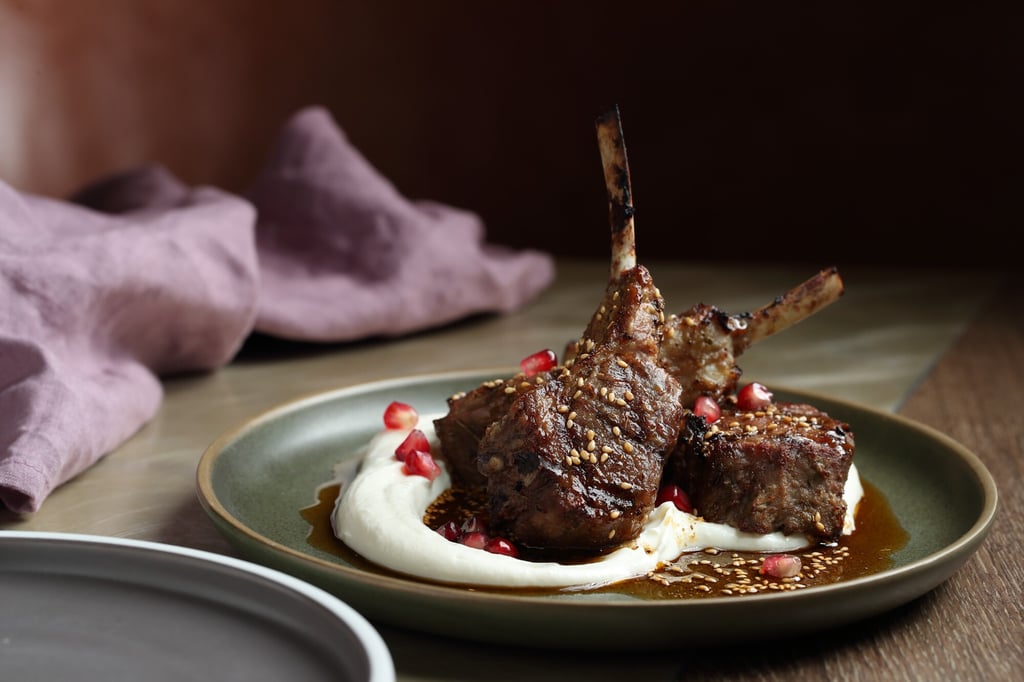
Of these, the core ingredients that define the cuisine are olives, wheat and grapes.
Olive trees produce a bitter fruit that is used to extract healthy and delicious olive oils for cooking. The oil works great as a base for dressings, adding a bold and distinct flavour to everything from appetisers and salads, to pasta and other main dishes. Since the trees are native to the Mediterranean region, it makes sense that its people have the highest per capita consumption of the liquid gold compared to anywhere else in the world.
Wheat is grown across all parts of the region, with the most common ways of consuming it being the many varieties of pasta and couscous.
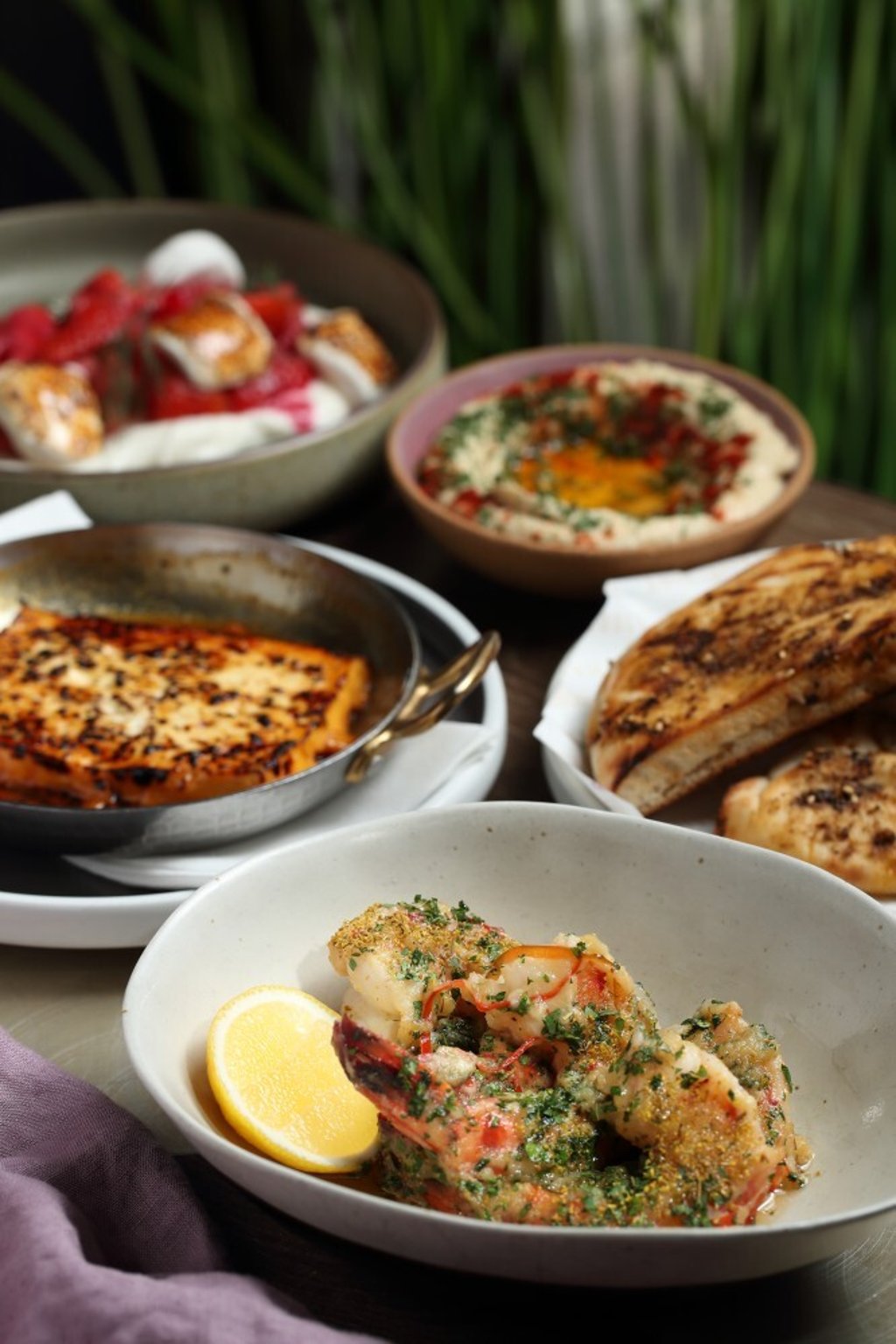
Grapes find a variety of uses as well. They are turned into wine, dried as raisins for extra flavour in salads or bread, or just eaten as a pre-dinner snack. The Mediterranean has some of the world’s largest grape harvests and produces grapes with a wide range of exquisite taste profiles.