Unravelling Chinese tea formations: from Qing dynasty secret societies to today’s triads and wuxia films, do you have any idea what the placement of your tea set really means?

Where your tea pot and cups sit on a tray can carry hidden meaning, great ceremony or sound an emergency, thanks to centuries-old codes developed by Chinese rebels opposed to the Qing dynasty, carried forward by secret societies, loved by gangsters and featured in films about old Hong Kong
Tea set formations – the intentional placements of a teapot and cups to convey meaning – are an art form that has almost disappeared from public consciousness. Born in a time of revolution, the formations are a code used to identify who is friend and who is foe, or even communicate simple messages.
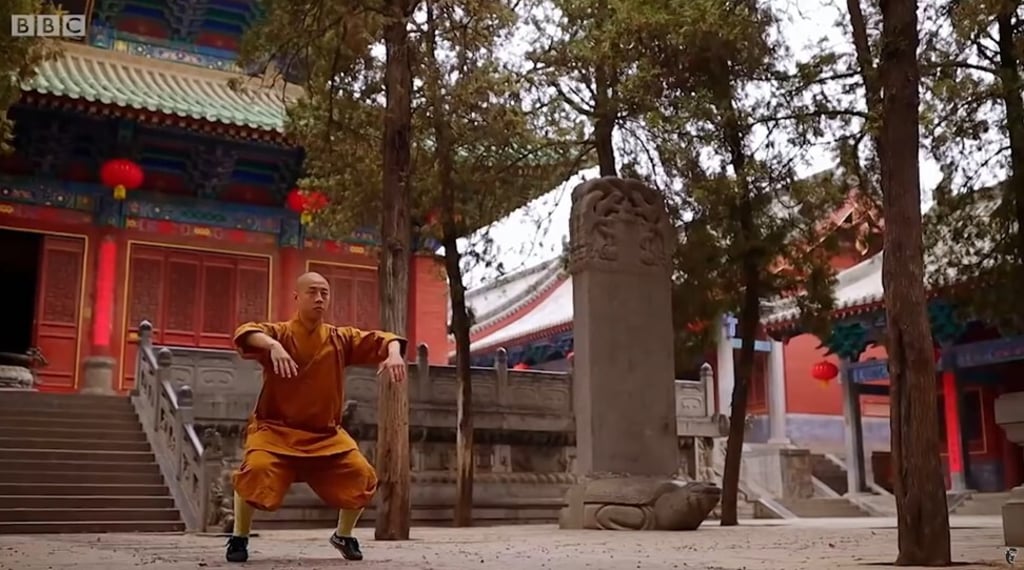
Tea set formations were tied to the clandestine Tiandihui organisation, or Heaven and Earth Society. These OGs of Chinese secret society came together as an alliance between Ming dynasty loyalists and survivors of the devastating destruction of Shaolin Monastery in 1723 by the Qing dynasty’s Yongzheng Emperor, who feared the martial arts powerhouse was a threat to his empire. The rebel group swore to devote themselves to the mission of 反淸復明, which means “Oppose Qing and restore Ming”.
While the group wasn’t able to overturn the Qing dynasty, the secret society persisted, later acquiring the names Hongmen (meaning vast family) and Sanhehui (three harmonious societies).
As the adage goes, those who are freedom fighters to some, are terrorists to others. When Hong Kong was under British rule, all secret societies were made illegal. Branded as triads, a name that comes originally from the Sanhehui, they were regarded as a form of organised crime.
Old Hong Kong triads have been portrayed in films using tea set formations, but their meanings have mostly been lost apart from appearing in a couple of wuxia movies such as Lord of Shanghai (2016) and Gang Master (1982).
In Taiwan, not only were the Hongmen not outlawed in the island state, but it was rumoured that Sun Yat-sen and Chiang Kai-shek were also members and the group that openly has business interests there to this day. It’s from the stories told by the tea merchants of Taichung, who remember their grandfathers’ knowledge of tea set formations, that the codes live on today.
When members of the secret society enter a tea “safe” house, they should start by resting their hands on the two corners of the table closest to their seat. The wait staff will ask what tea you’d like to drink and by saying red tea, which is phonetically the same as the “hong” in Hongmen, you are signalling you plan to use the tea set codes.
There are four elements to a Chinese tea set. A teapot that holds the hot water, a tea bowl with a lid used to mix the hot water with the tea leaves, multiple cups and the tray that holds it all.