Clint Hutchison, the son of late Group One-winning trainer Bruce and the brother-in-law of four-time champion conditioner Caspar Fownes, is Mr Hong Kong Racing to Australian punters.
In the latest edition of Tongue Tie Off, a new Q&A series with racing personalities connected to the city, Hutchison talks about how the Jockey Club’s “difficult path” for sons to follow in the footsteps of their fathers was a blessing in disguise for him, who pulled up lame when three Sha Tin-based trainers sprinted for bragging rights and what he views as parallels between Hong Kong and Australian greats.
What’s your connection to Hong Kong?
In 1978, my dad, Bruce, who’s no longer with us – he passed away in Macau 18 years ago – moved from Melbourne to Hong Kong to become one of the Jockey Club’s licensed trainers. I travelled over with him when I was a young lad. I spent my formative years in Hong Kong before I went to boarding school and university in Perth, where my father had grown up, ridden and trained before he travelled the world. I returned to Hong Kong to work after my school days, and Dad trained in the city for 23 seasons.
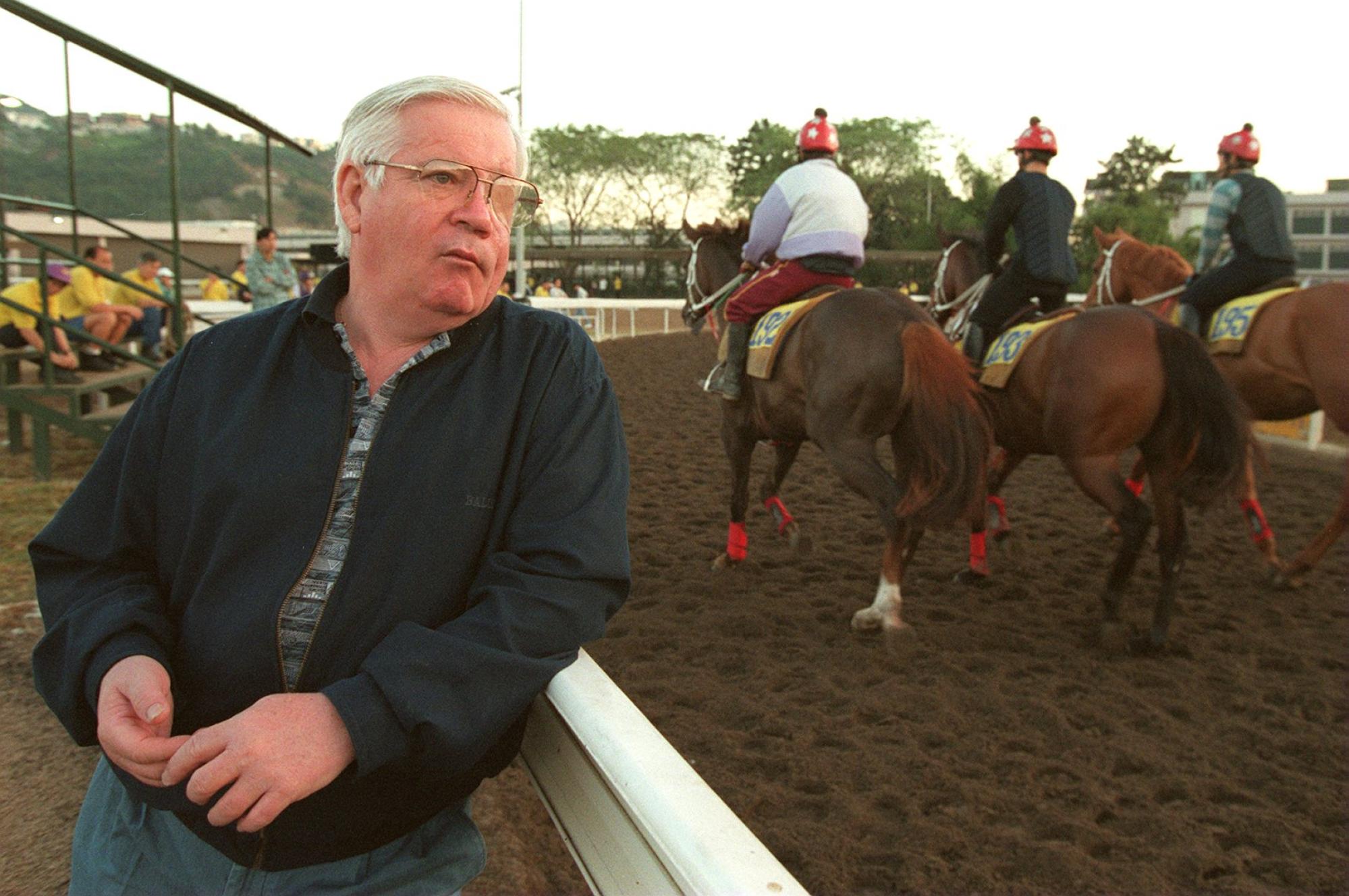
I grew up in and around Hong Kong racing. I’ve seen it transition – I attended one of the first meetings at Sha Tin – from where it was in the late 1970s to where it is today, so my ties go back a long way.
Did you think about becoming a trainer?
I considered it – at the time, there were quite a few trainers with sons – but it was a difficult path.
Caspar was the last person the Jockey Club allowed to take a different route. Officially, Caspar wasn’t an assistant trainer to his late father, Lawrie. Caspar was what, back in those days, the Jockey Club called a trainer’s assistant. The Jockey Club’s preference was you made your way through its system. However, Caspar had worked in his father’s stable from the age of 15, and he spoke the local language, Cantonese.
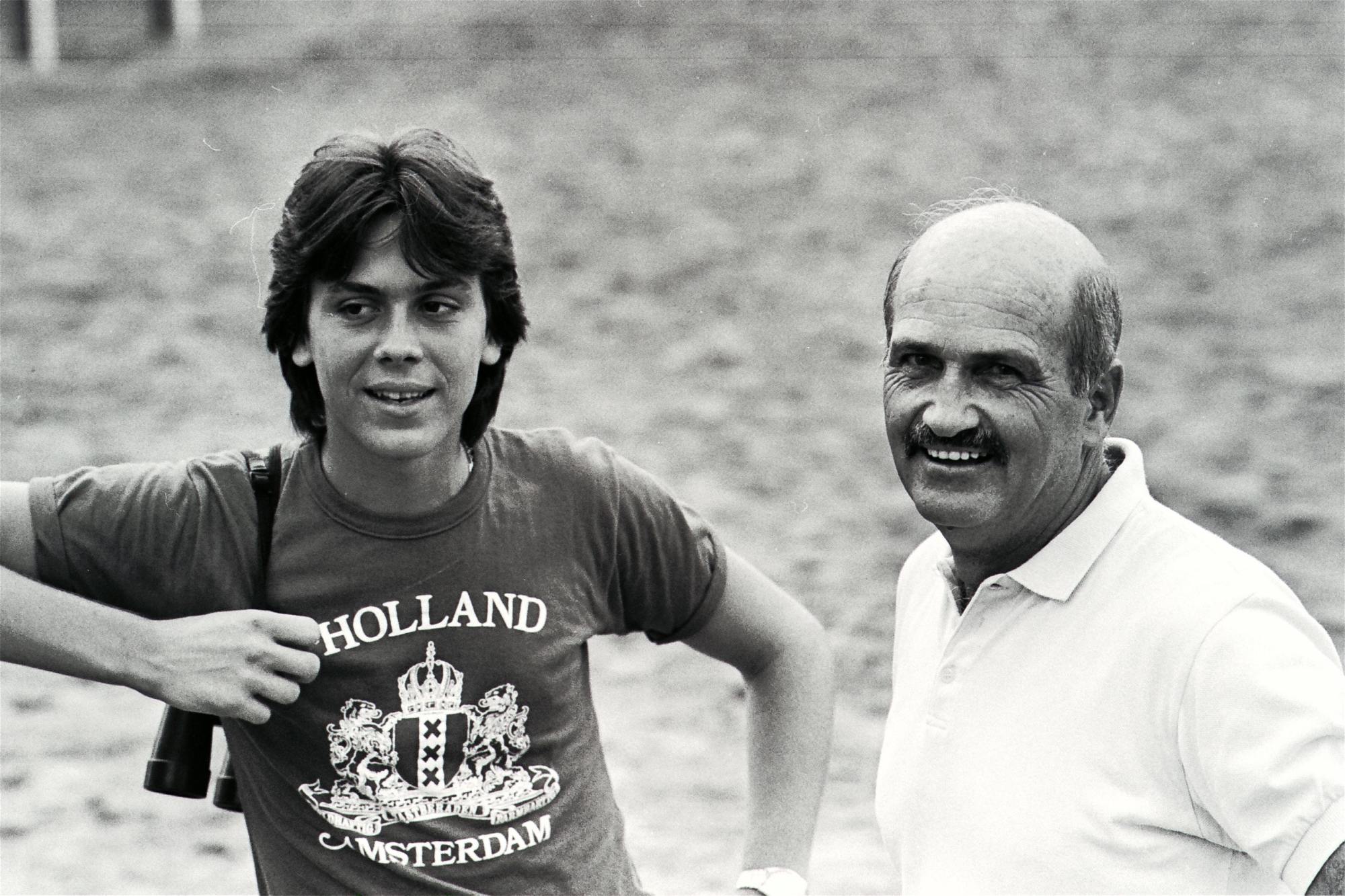
The year Caspar became a trainer, David Ferraris and Danny Shum Chap-shing also received licences. Caspar was the last one to get the call-up. Caspar’s dad had been very successful, and Caspar deserved to get his ticket stamped because he’d worked hard enough. What’s Caspar today? He’s a four-time Hong Kong champion with clients who love him. Ultimately, the Jockey Club made the correct decision, but its process was unlike anywhere else in the world.
Caspar’s wife, Alix, is your sister. What’s one of your favourite stories featuring your brother-in-law?
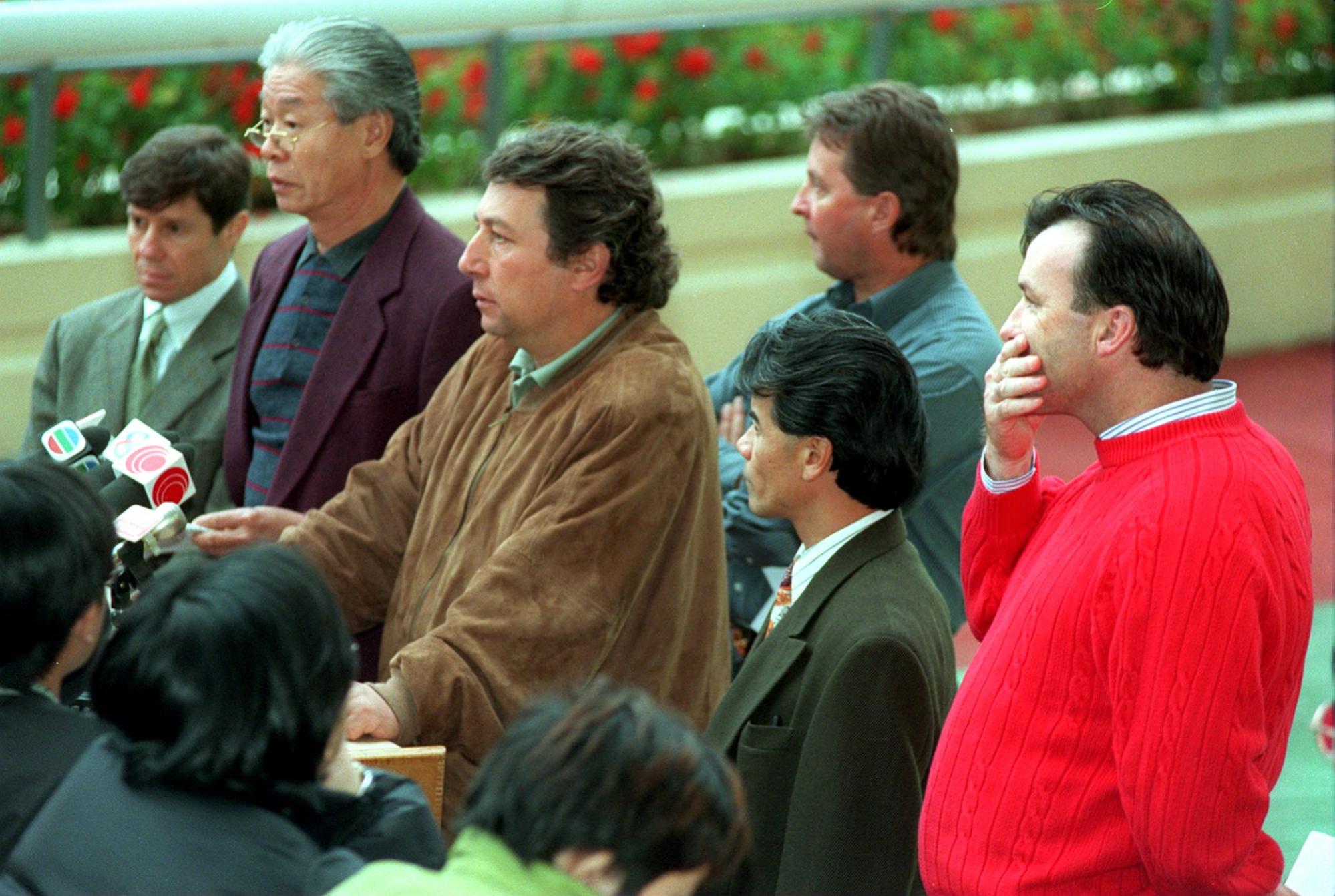
I’ll tell you a yarn from the days when I used to attend trackwork with my father. One morning, Patrick Biancone, David Hayes and Caspar were discussing their respective sprinting prowess. I’ve no idea how the topic came up – maybe the Olympic Games were on at the time – but they decided it was a good idea to stage a 100m race down the Sha Tin back straight.
Three big egos, two big bellies and only one athlete – I’ll leave it to your imagination as to who had what – but suffice to say they’d only gone about 10m when Patrick snapped one of his hamstrings. Caspar couldn’t stop laughing as he glided past Patrick, but David drew clear of his rivals. They had to carry Patrick off the course. It was an entertaining morning.
Given your success in the media, was the Jockey Club’s process a blessing in disguise for you?
I think it was. Back in those days, I was quite a social person. I wasn’t as dedicated to getting up early as you need to be to train horses for a living.
The racing media had always appealed to me. After I returned to Hong Kong from university in Perth, a couple of Chinese publications asked me to write some articles about racing in the city and overseas. Those assignments went well, and one thing led to another.
Mike Hendrickson was in charge of the Jockey Club’s English broadcast. I asked him if I could have a go. He let me have a go. I was very green and had a lot to learn, but he allowed me to have a crack.
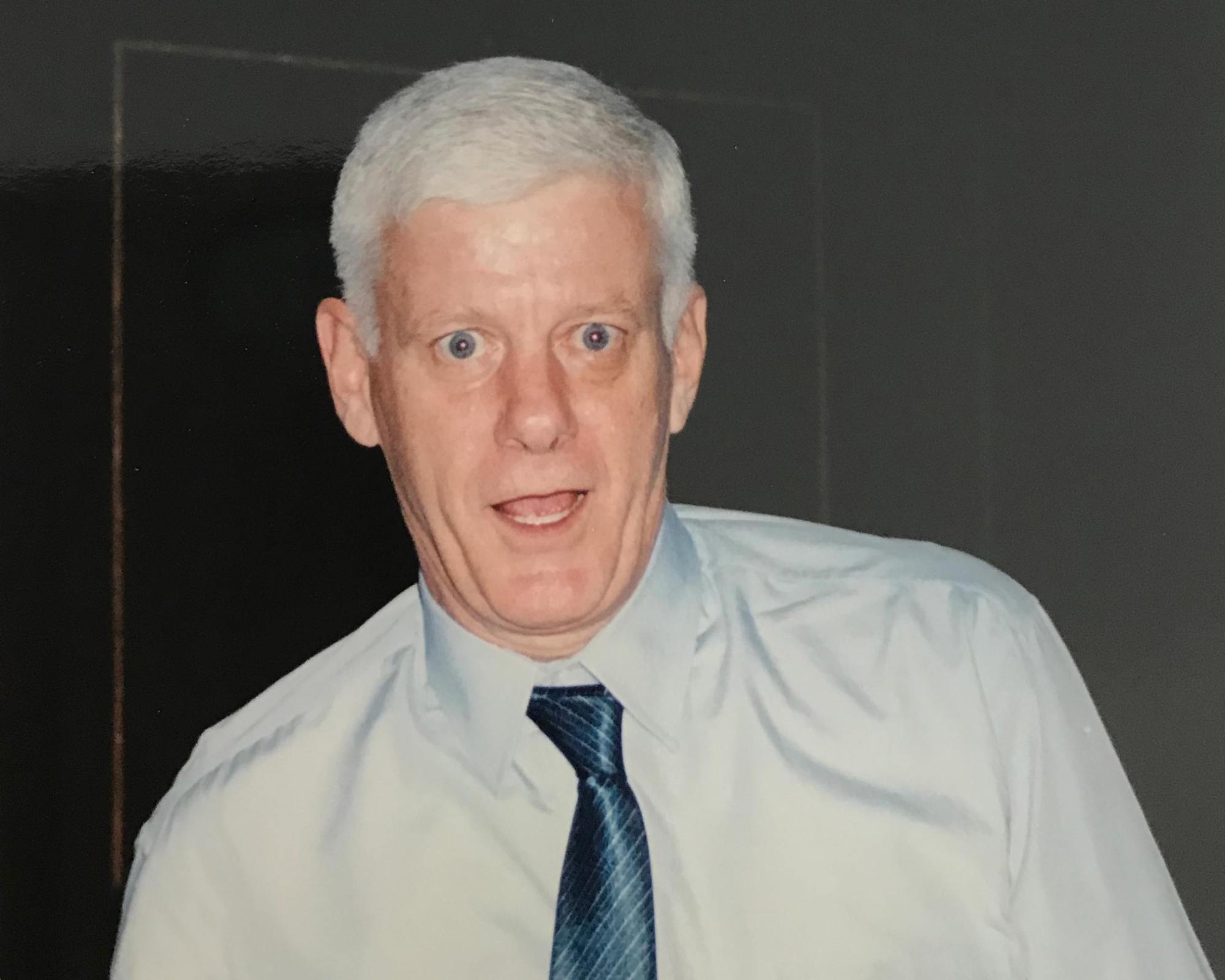
A couple of guys, Rob de Courcy and Greg Whitmore, were doing some work for a cable television channel, but their real gig was working for Alan Woods. They’d had enough of the TV side of things, so they put forward my name. Around the same time, I started doing bits and pieces for the Jockey Club. All of a sudden, I was doing three or four days a week of racing TV work. It escalated quite fortuitously.
Why did you leave Hong Kong?
I loved living in Hong Kong, but I hankered for a new professional challenge. However, the biggest factor was my American wife, Amy, and I had a young family, and we wanted our kids to grow up in Australia.
It wasn’t an easy decision, but joining racing.com looked like a good opportunity. The guys in charge there liked what they’d seen me doing in Hong Kong. When the chance arose, I grabbed it with both hands.
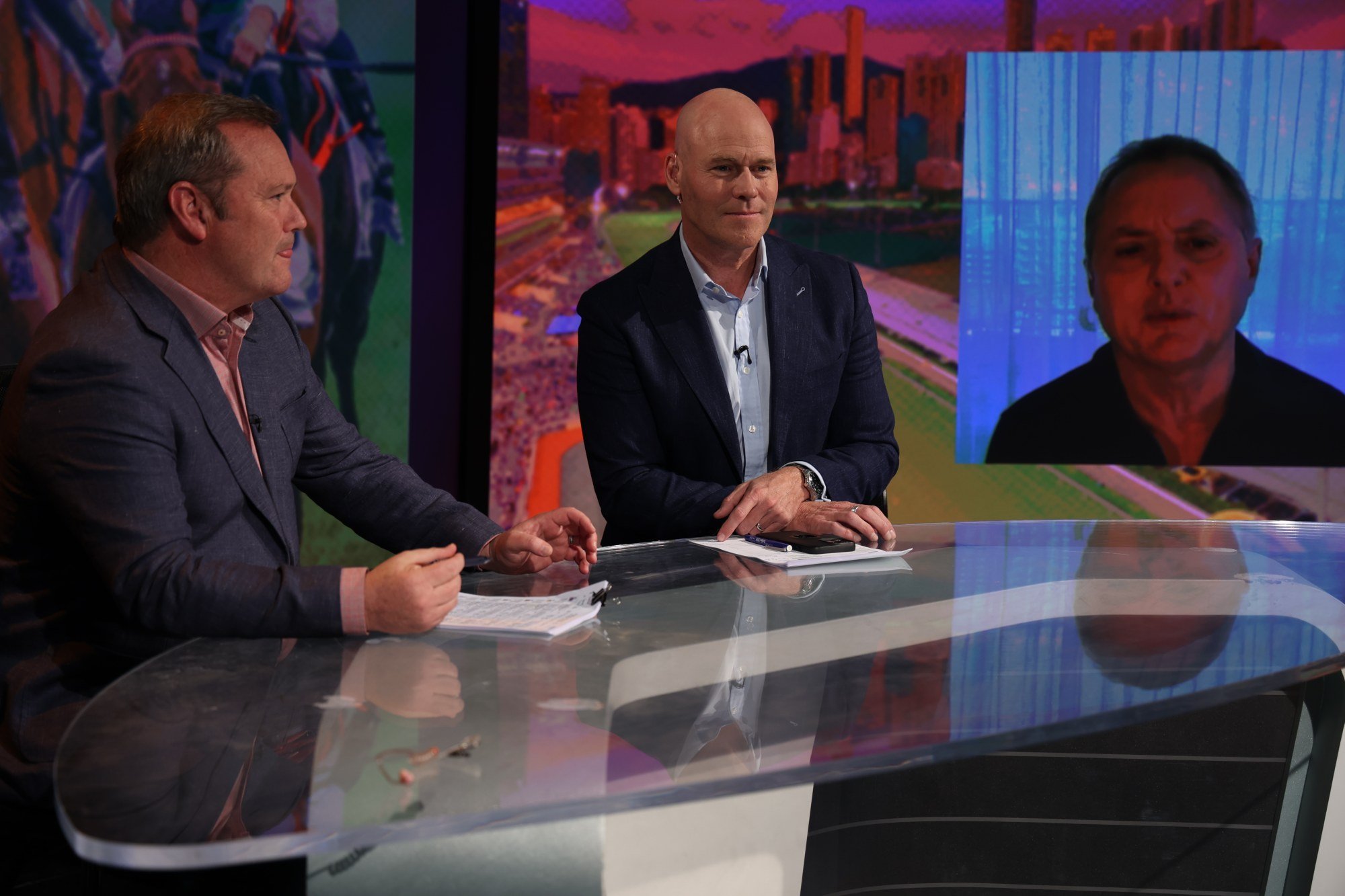
In Australia, you’re known as HK Hutchi, the form analyst for the Hutchi’s Honkers tipping service and The Triple Trio TV programme. What percentage of your betting turnover is on Hong Kong racing? Who is your favourite active Hong Kong horse? And how would you describe The Triple Trio to a prospective viewer?
In dollars and cents, more than half of my punting would be on Hong Kong racing. It’s a great place to bet. It’s a region that’s easy to grasp because there are limited numbers of horses, trainers, jockeys and tracks. It’s the world’s best wagering jurisdiction. There’s really no argument about it.
McGrath: ‘trainers and jockeys usually know a lot more than journalists and tipsters’
Lucky Sweynesse is my favourite Hong Kong horse at the moment, but Golden Sixty has been incredible. I’ve been with Golden Sixty from the beginning, so he’s been very good to me. Francis Lui Kin-wai has done an unbelievable job with Golden Sixty. What Francis has done with Golden Sixty is like what Chris Waller did with Winx. Also, Golden Sixty has helped Vincent Ho Chak-yiu come of age as a rider. At Sha Tin, there’s a Silent Witness statue. I daresay there’ll be a Golden Sixty statue pretty soon.
The Triple Trio is Hong Kong racing analysed with the blinkers off. We’ve got an expert, retired jockey Shane Dye, who’s not short of an opinion or two, and a brilliant host, Jason Richardson. Our audience figures are growing. When you’ve been in the media as long as I have, you know what works and what doesn’t. It works. From a TAB turnover perspective, over the past 12 months, turnover on Australian racing has been down, but turnover on Hong Kong racing has been up. We love the Hong Kong racing product, and we love introducing punters to it.