Hong Kong and Guangzhou’s horse industry cooperation will enter a critical phase when the first of regular race meetings is held at Conghua racecourse in October, with the Jockey Club aiming to showcase “world-class racing and entertainment” to the mainland.
A key pillar of China’s five-year National Equine Industry Development Plan, Conghua – which is situated 150km north of the Hong Kong-China border – will host the first of what is believed to be four race meetings for the 2026-27 season on October 31.
Equestrian events are also planned to be held at Conghua in what will be “a significant advance in the development of racing and equestrian excellence for the Greater Bay Area, forging a dynamic, ongoing connection between Hong Kong and the mainland, through the power of the horse”, the Jockey Club said.
“This year is also a special year for the club as it takes the next steps in its strategic development and makes more contributions to National Equine Industry Development,” Jockey Club chief executive Winfried Engelbrecht-Bresges said at last week’s Year Of The Horse campaign launch.
“We have built one of the most iconic racecourses in Conghua, Guangzhou with a globally renowned architect, integrating Chinese cultural elements into its design.
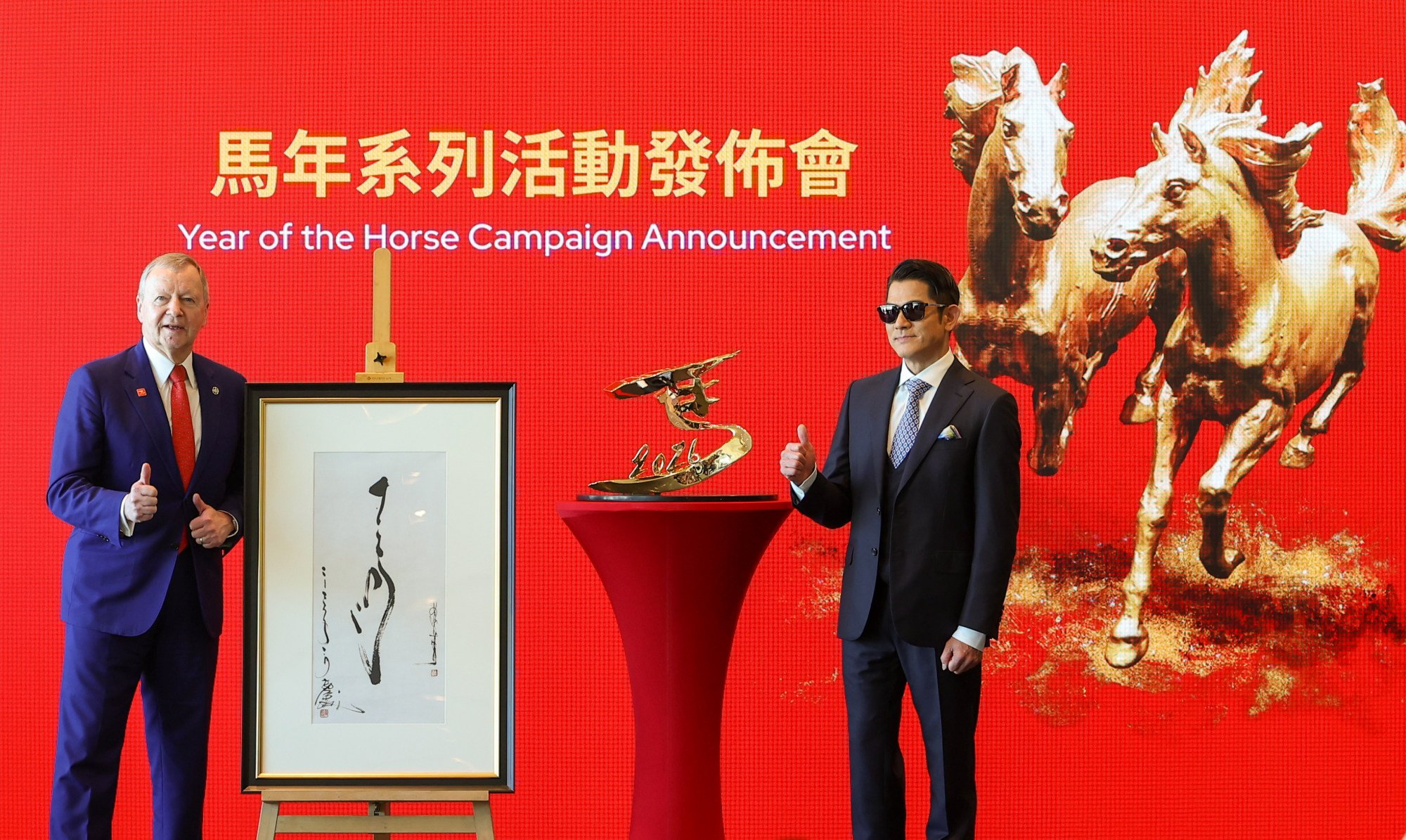
“We will launch world-class international horse racing under the HKJC brand on a regular basis in the Chinese mainland starting from the end of October.”
A new National Equine Industry Development Plan is expected to arrive in March, giving the Jockey Club policy direction on racing and other events at Conghua for the next five years.
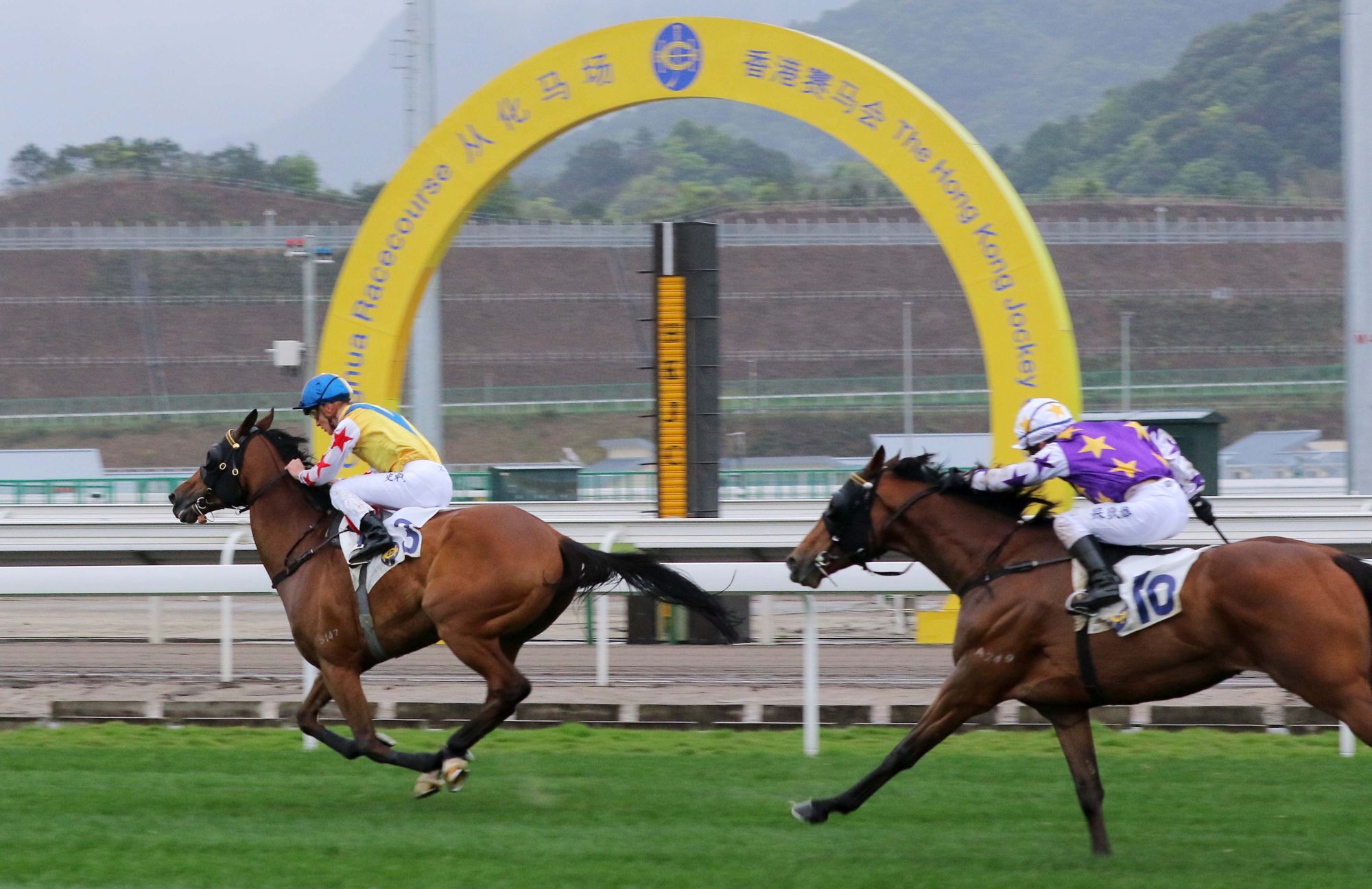
Conghua racecourse was opened in 2018 and the Jockey Club held an exhibition race meeting there in 2019, with about 3,000 fans in attendance.
Initially built as the specialist equestrian venue for the Guangzhou Asian Games in 2010, Conghua has been developed into a vital venue for Hong Kong’s horse trainers, with horses regularly transferring between Sha Tin racecourse and Conghua.
Last season, 37 per cent of runners in Sha Tin and Happy Valley races used the mainland facility.
Morning trials at Conghua! 😍 #LoveRacing | #HKracing pic.twitter.com/hkaSqfCBDP
— HKJC Racing (@HKJC_Racing) May 30, 2025
Champion Hong Kong racehorse Ka Ying Rising – the world’s best sprinter – has regularly been trained at Conghua and his trainer David Hayes is a big advocate of the facility.
“It’s a wonderful place to train horses, there’s no question. I use the facility a lot with all my horses,” Mr Hayes said.
“It’s really taking shape – the grandstand looks amazing and the track is very, very good.”
Mr Engelbrecht-Bresges said the club has trained more than 800 staff from scratch to work at Conghua racecourse.
Like many in the racing industry, Mr Hayes is curious to see how racing will operate at the new track without betting, which is illegal on the mainland.
“I’ll be fascinated to see how it goes. It will be interesting racing without betting – that’s something horse owners are going to have to get used to,” Mr Hayes said.
“As far as facilities go, there won’t be any better around the world. I’ve been told by people who know it’s as good an outfit as you’ll see in a grandstand. It will be interesting to see what sort of crowds they get there.”
Mr Engelbrecht-Bresges told the Post in November that prize money and other overheads associated with the races could be financed via sponsorship, which would help fill the void left by no betting turnover.
The Jockey Club is also developing a dedicated equine transfer centre in the Conghua district, which will further facilitate the import of horses into the mainland and potentially open the door for a horse breeding industry in mainland China in the future. It is scheduled to be ready by April next year.