China's electric vehicle industry
The world's largest EV market
+ FOLLOW
Register and follow to be notified the next time content from China's electric vehicle industry is published.
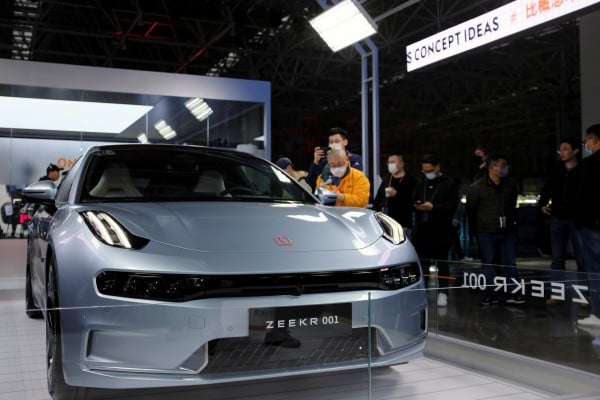
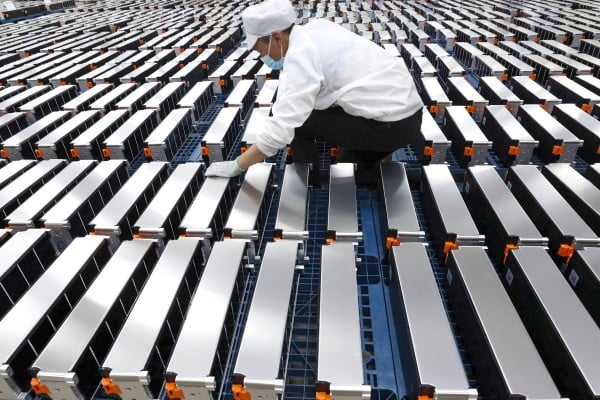
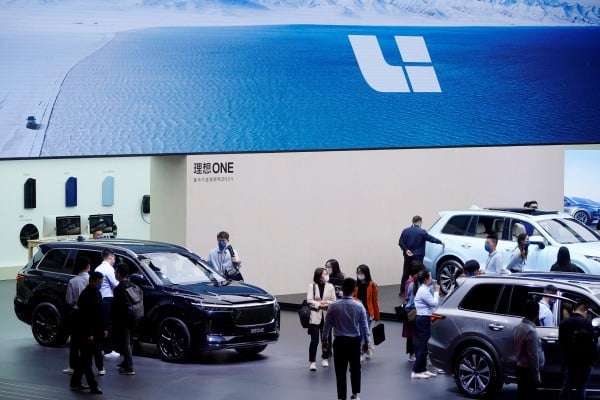
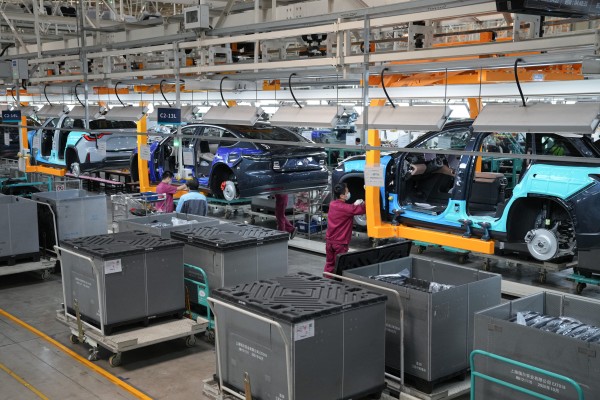
China has one of the fastest growing EV markets in the world with an estimated 500 electric car makers having piled into the world's largest vehicle market. As the Chinese government prods indigenous innovation, home-grown brands such as Nio, Xpeng and Li Auto, have sprouted to get a larger slice of the market under the Made in China 2025 industrial master plan. What are the infrastructure limitations, socioeconomic factors, and battery market competition that are having an impact?
Latest News
News


Opinion
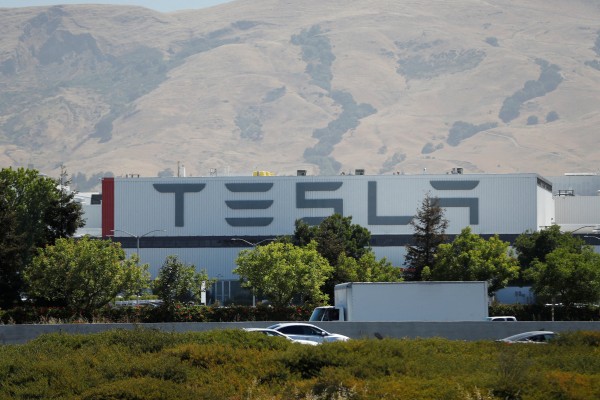
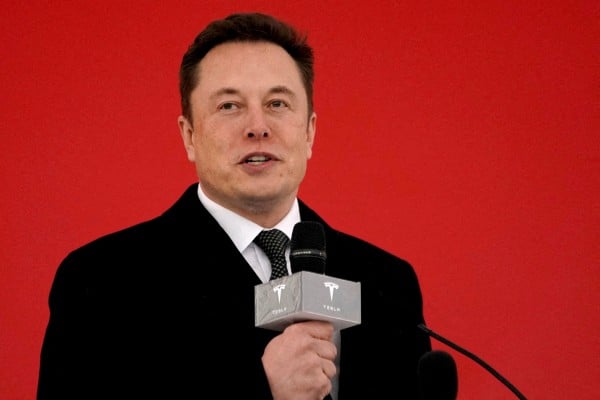
The lack of a coordinated approach to define ESG obligations is confusing investors, and the reliance on self-reporting makes it easier for companies to resort to greenwashing. Elon Musk’s anger at Tesla being dropped by an ESG index is not without basis.
Yoon Suk-yeol ran as a conservative, but his campaign pledges include a move to ban new internal combustion vehicles by 2035. Following through would make South Korea a climate change leader in Asia and create thousands of new jobs in the auto industry.
Neil Newman discovers a little-known automotive design team in Hong Kong building the prototype of an original electric vehicle conceived in the city.
Older second-hand cars are largely shunned in Hong Kong but sought after overseas by owner-driver-investors. Could these be an astute purchase, asks Neil Newman.
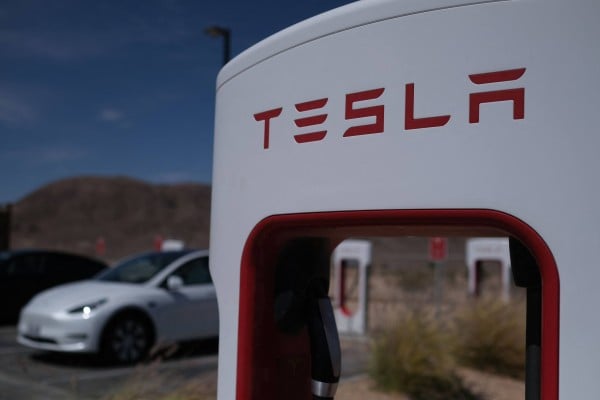
The US president has been pushing the electric vehicle transition without the biggest EV player, Tesla. While it is true that rich Americans like the Tesla CEO are getting richer, blaming Musk for inequality is not the answer. Instead, Biden must work with him.
Despite years of confident pronouncements from tech visionaries, the takeover of our roads by autonomous vehicles has yet to occur. High costs, technical hurdles and limited 5G roll-out are all thwarting the imminent arrival predicted by Elon Musk and other luminaries.
While some in China are concerned by its dependence on imported materials for electric vehicle batteries, the West is anxious about Chinese control of resources. Fundamental differences exist between mineral and energy resources, however. Unlike oil and gas, minerals are recyclable.
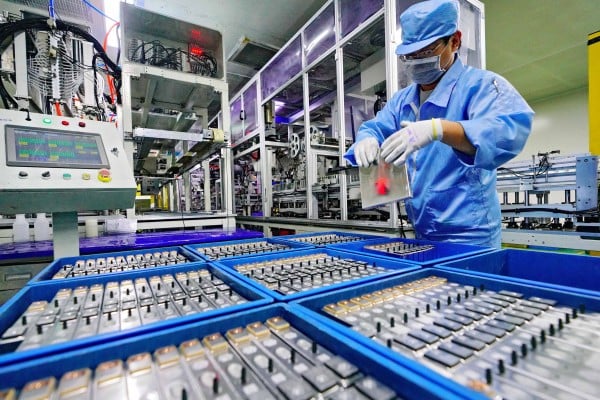
The rising price of lithium – and the environmental cost of throwing batteries away – threatens demand unless manufacturers are willing to think outside the box, writes Neil Newman.
While institutional factors, such as a nurturing ecosystem and government support, play a role in fostering innovative sectors, these businesses are risky by nature. China’s growth in these areas might be influenced by a cultural comfort with uncertainty.
Vehicle exports keep Japan’s economy afloat, but new regulations could put a million jobs and Japan’s trade surplus at risk. Calculating the environmental impact of a car’s entire life could cripple carmakers unless the government changes Japan’s energy mix.
Despite the popularity and reach of Tesla, Chinese EV brands have a good chance of dominating the emerging market in Southeast Asia. And Indonesia, with its abundant nickel resources and large vehicle market, would make an ideal partner.
As Southeast Asia’s biggest vehicle market and a major supplier of nickel, a key battery ingredient, Indonesia sees great potential in electric vehicles. But its current dependence on fossil fuel and lack of infrastructure support pose a massive challenge
LOADING
Unfollowed
View all